







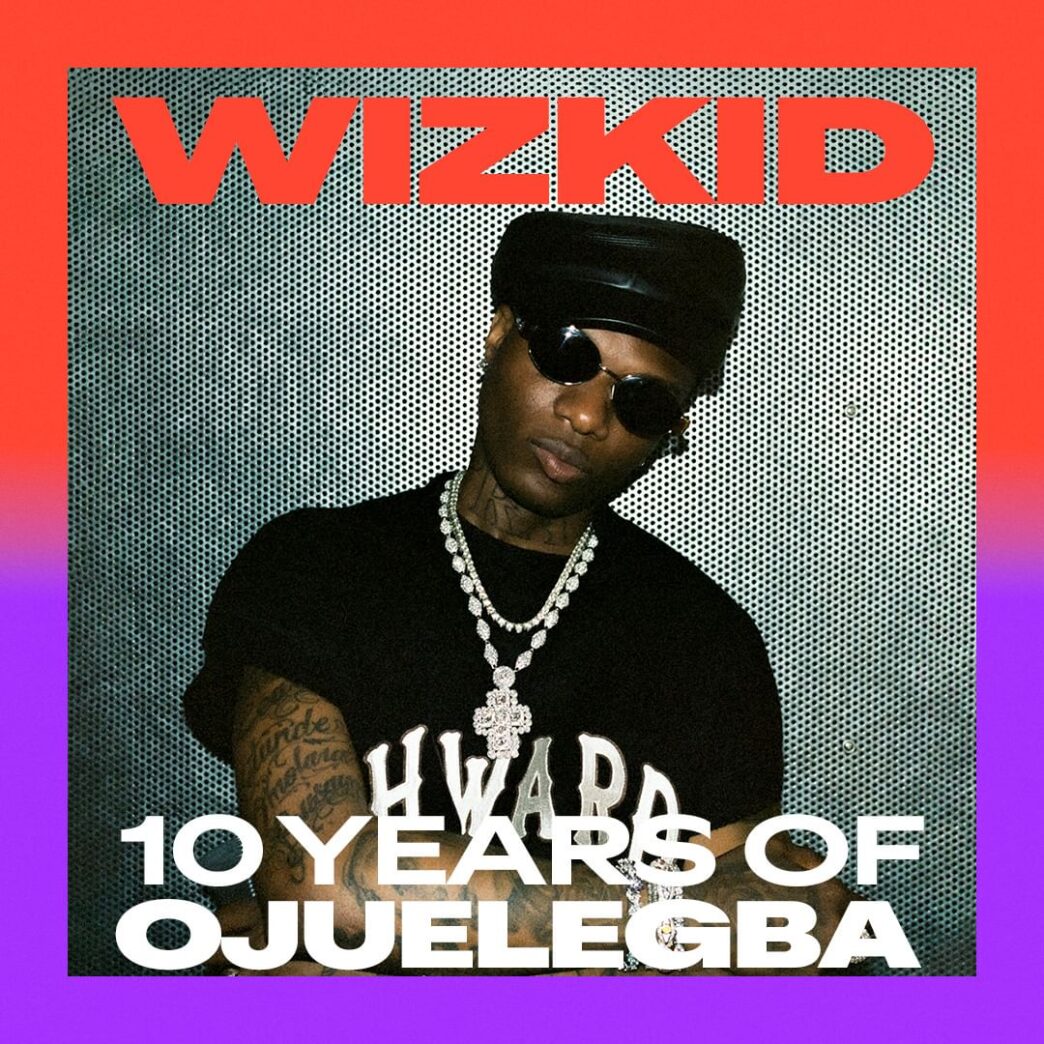
The 2010s were the decade Afrobeats stopped being a regional movement and became a global force. Nigerian and Ghanaian artists turned clubs in Lagos, Accra, London, and New York into one giant dancefloor. These were not just songs — they were cultural moments.
This ranking considers impact, replay value, international reach, club dominance, and how much each song changed the sound of Afrobeats.
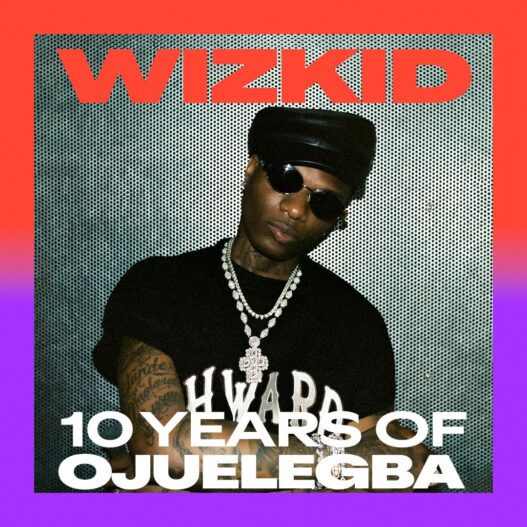
1. Ojuelegba — Wizkid
No song captured the emotional soul of Afrobeats better than “Ojuelegba.” It was deeply local yet universally relatable — a story about struggle, faith, and ambition in Lagos.
The remix featuring Drake and Skepta helped push Afrobeats into the global mainstream. More importantly, it changed how international audiences viewed African music: not as novelty, but as serious artistry.
2. Ye — Burna Boy
“Ye” became more than a hit song — it became a lifestyle anthem. Released during the accidental publicity storm surrounding Kanye West’s album of the same name, the track exploded globally.
Its hypnotic production, introspective lyrics, and swagger made Burna Boy the face of a new era of African stardom.
3. Fall — Davido
“Fall” might be the definitive crossover Afrobeats record of the decade. Long before Afrobeats fully dominated American radio, “Fall” quietly became a monster hit in clubs, parties, weddings, and college campuses across the world.
It had incredible longevity. Years after release, it still sounded fresh.
4. Mad Over You — Runtown
“Mad Over You” blended Ghanaian highlife influences with modern Afrobeats in a way that felt timeless. It was smooth, romantic, and impossible to escape.
The song dominated radio across Africa and became one of the decade’s most universally loved records.
5. Pon Pon Pon — D’banj
Before Afrobeats became globally fashionable, D’banj was already exporting Nigerian pop culture. “Pon Pon Pon” was colorful, playful, and proudly African at a time when many artists still chased Western validation.
It helped define early-2010s Afrobeats aesthetics.
6. African Queen — 2Baba
Technically released before the 2010s, “African Queen” remained hugely influential throughout the decade and shaped the DNA of modern Afrobeats love songs.
It deserves inclusion because nearly every Afrobeats artist from the 2010s inherited something from it.
7. Soco — Starboy
“Soco” felt like pure Lagos nightlife bottled into audio. The beat, slang, melodies, and carefree energy perfectly captured the mood of late-2010s Afrobeats.
It also helped launch the careers of artists like Terri and reinforced Wizkid’s influence over the sound of the era.
8. Johnny — Yemi Alade
“Johnny” became one of the biggest African pop songs ever by a female artist. Funny, theatrical, catchy, and instantly memorable, it crossed language barriers effortlessly.
Yemi Alade proved Afrobeats could deliver massive female-led global hits too.
9. IF — Davido
“If” restored Davido to superstar status and introduced a more polished, emotionally melodic phase of Afrobeats.
The phrase “30 billion for the account” became part of pop culture vocabulary across Africa.
10. Woju — Kiss Daniel
“Woju” was elegant simplicity. The melodies were irresistible, and the remix expanded its dominance even further.
Kiss Daniel emerged as one of the decade’s strongest hitmakers because of this song.
Honorable Mentions
- Azonto — Fuse ODG
- Maradona — Niniola
- Antenna
- Legbegbe — Mr Real
- Dumebi — Rema
- Personally — P-Square
- Caro
- Ada Ada — Flavour
Why the 2010s Changed Everything
The 2010s transformed Afrobeats from a continental sound into a global cultural movement. Streaming platforms, diaspora communities, social media, and relentless touring helped African artists bypass traditional gatekeepers.
By the end of the decade, Afrobeats was no longer “emerging.” It had arrived.
And these songs were the soundtrack to that takeover.