








The 2010s were transformational for Nollywood. The industry evolved from low-budget straight-to-DVD productions into a cinematic powerhouse with international streaming deals, red carpet premieres, and global recognition.
This was the decade Nollywood became stylish, ambitious, and commercially fearless. These films were not just successful — they changed conversations, created stars, influenced fashion and slang, and pushed Nigerian cinema into a new era.
1. The Wedding Party
No film captured elite Lagos culture quite like The Wedding Party. Weddings in Nigeria were already dramatic social spectacles, but this movie turned them into cinematic entertainment. It had humor, chaos, class tension, family drama, and unforgettable one-liners. More importantly, it became a box office phenomenon and proved Nollywood films could become major commercial events.
The movie helped normalize the modern “cinema-going” culture for young Nigerians.
2. King of Boys — starring Sola Sobowale
Sola Sobowale’s performance as Eniola Salami was legendary: powerful, terrifying, emotional, and magnetic. The film blended politics, crime, corruption, loyalty, and ambition into a story that felt deeply Nigerian yet universally compelling.
People still quote lines from this movie years later!
3. October 1
This was the movie that convinced many skeptics that Nollywood could produce genuinely world-class cinema. Set during Nigeria’s independence era, October 1 combined historical storytelling with psychological thriller elements. Its cinematography, atmosphere, and storytelling elevated expectations for Nigerian filmmaking.
4. Living in Bondage: Breaking Free
This sequel to the classic 1992 original successfully connected old Nollywood and new Nollywood.
It respected the spiritual paranoia and dramatic intensity of the original while introducing polished visuals and modern storytelling. The movie felt nostalgic without feeling outdated.
5. Fifty
Fifty explored the lives of wealthy middle-aged Lagos women navigating friendship, relationships, power, and aging.
It was sleek, urban, mature, and visually sophisticated. The film reflected a version of Nigerian life rarely shown on screen at the time: affluent, emotionally complicated, and cosmopolitan.
6. Chief Daddy
Loud, chaotic, dramatic, and hilarious — Chief Daddy perfectly captured the energy of large Nigerian family gatherings.
The ensemble cast became part of the movie’s appeal, and its exaggerated humor made it a massive audience favorite.
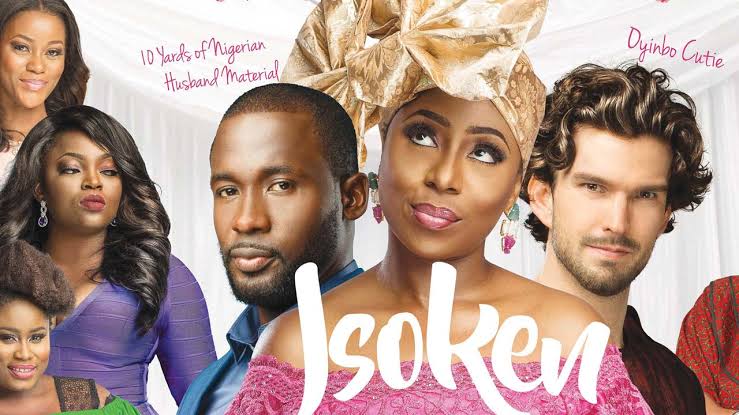
7. Isoken
Isoken resonated with many young Nigerians because it explored pressure around marriage, identity, and societal expectations.
It blended romance and comedy with subtle commentary about class, tradition, and modern African womanhood.
8. Sugar Rush
Fast-paced, colorful, and unapologetically fun, Sugar Rush represented a younger, more playful Nollywood.
The movie embraced comedy, crime, and chaos with high energy and strong chemistry between its cast members.
9. Phone Swap
One of the defining romantic comedies of the decade, Phone Swap succeeded because of its simplicity and charm.
The chemistry between the leads and the relatable “accidental connection” storyline made it endlessly rewatchable.
10. Lionheart — directed by Genevieve Nnaji
Lionheart was historically important because it became the first Nigerian Netflix Original film.
The movie presented a softer, more grounded version of Nigeria focused on family business, responsibility, and intergenerational tension. Its global distribution helped introduce Nollywood to wider international audiences.