








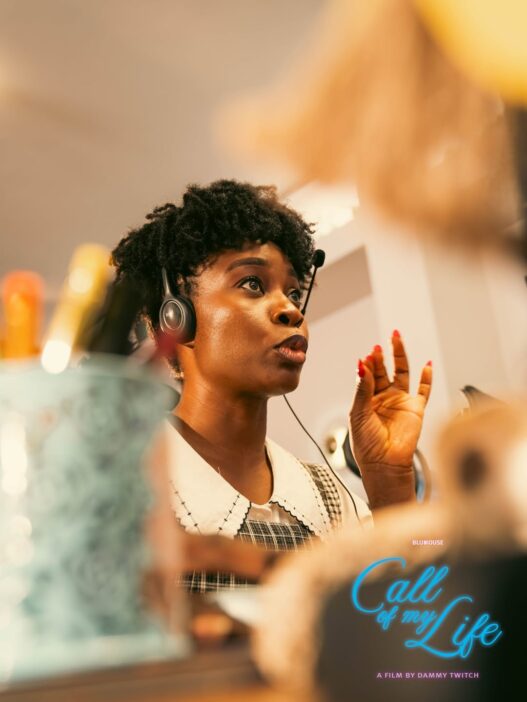
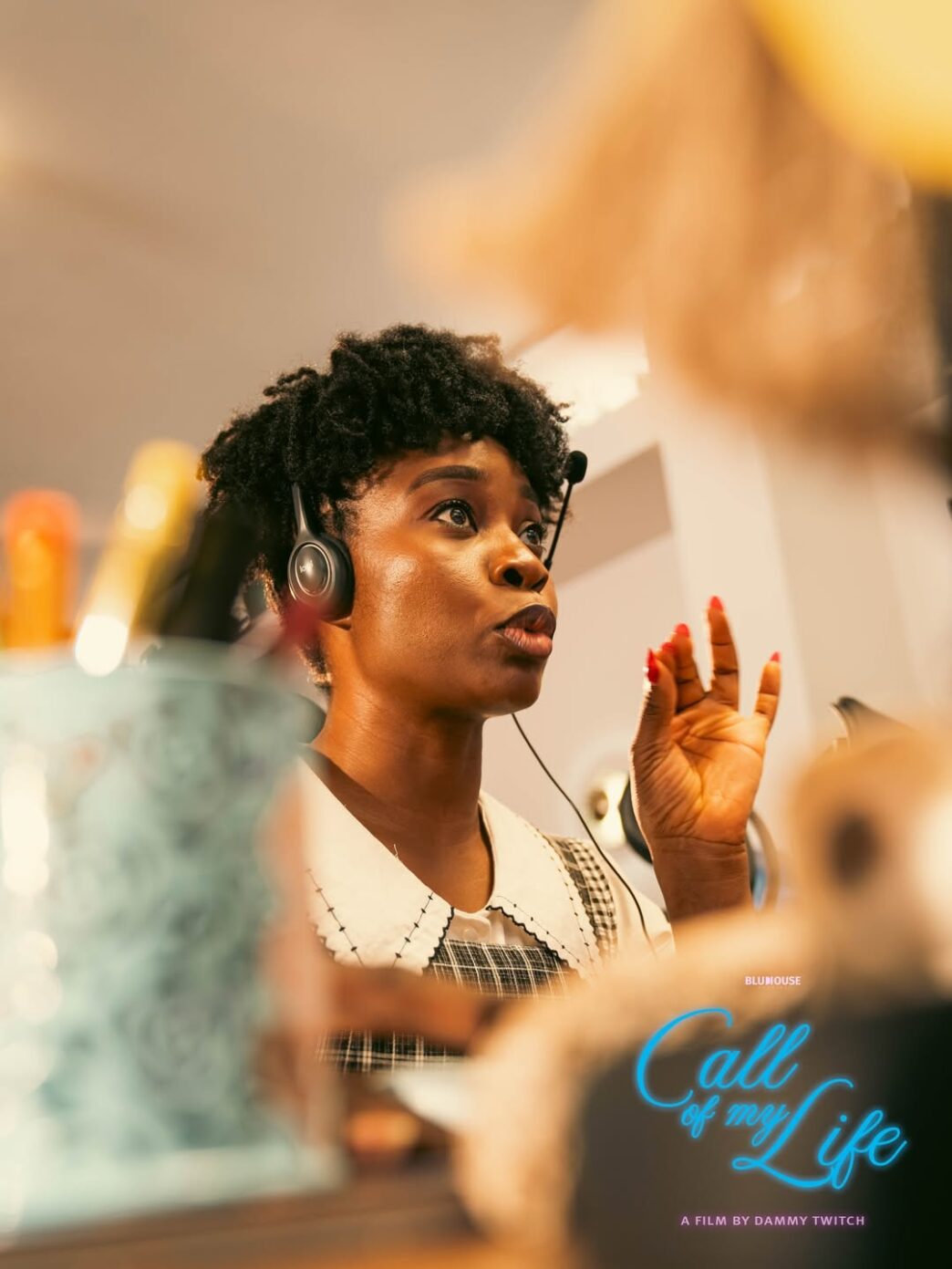
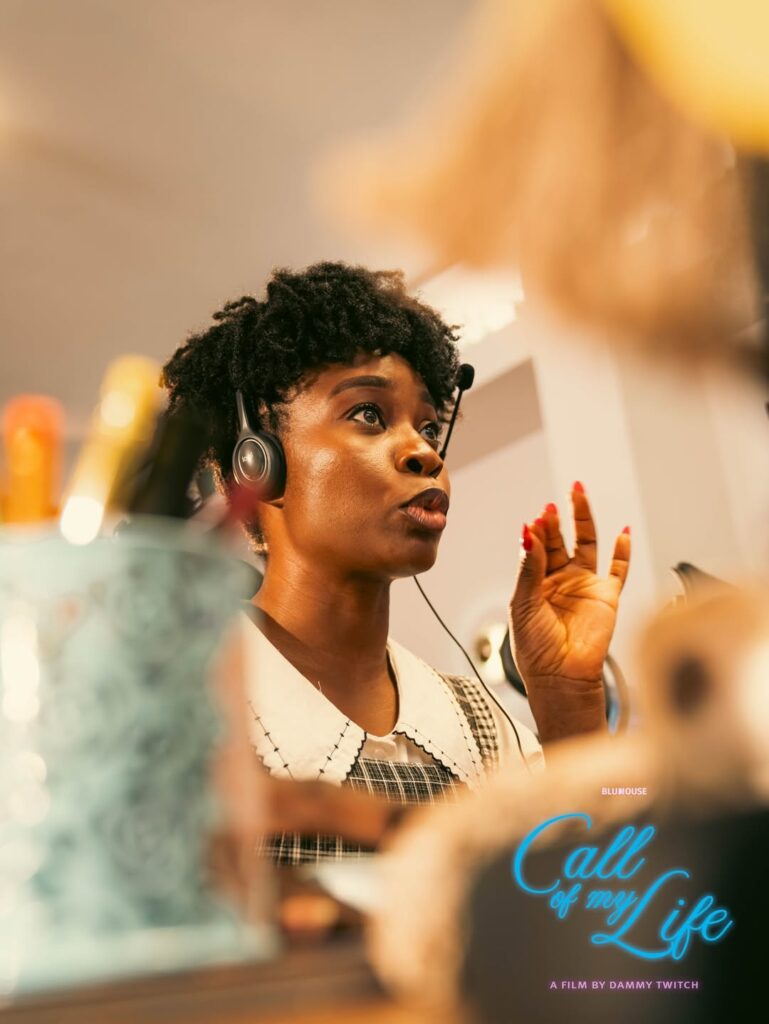
The Call of My Life, the latest Uzoamaka Power movie, in which she both wrote the screenplay and played the lead, has taken over the zeitgeist: discourse and cinemas alike. The movie debuted over the weekend of May 15–17, 2026, earning ₦76.5 million in its first three days and reaching ₦78.2 million when advanced previews were included. This impressive launch ranks it among the year’s biggest Nollywood romantic openings. Since its trailer drop and eventual release, The Call of My Life has had us completely captivated. But this isn’t where Uzoamaka Power’s story starts from and it is j not even close to her first iconic role or movie.
So who is this superstar who not only has us deep in our feelings, but also showing up at the cinemas?

Born Uzoamaka Doris Aniunoh in Onitsha, Anambra State, the actor-filmmaker built her reputation through emotionally layered performances in projects that sit at the intersection of mainstream Nigerian cinema, indie filmmaking, and globally-facing African storytelling. She studied English and History at the University of Nigeria before earning a master’s degree in Creative Writing from the University of Birmingham. Before film fully took over her career, she was already publishing fiction, including work edited and spotlighted by Chimamanda Ngozi Adichie.
In 2025, she formally adopted “Power” as her professional surname, describing it as a reflection of strength, resilience, and the energy she brings to her craft. At first glance, it may have seemed like the change was due to sharing an identical name with her Diiche co-star, but it was actually a way for Power to communicate how she sees herself and her work.
“The name ‘Power’ resonates with me on a profound level,” she said in a statement to WKMUp. “It symbolises strength, resilience, and the energy I bring to my craft.” Powerful, right? Pun intended.
Power first gained wider visibility through the hugely influential MTV African youth drama franchise MTV Shuga, and from there quickly became a standout face in a wave of ambitious Nigerian productions known for their stylistic and thematic depth. Her breakout years coincided with Nollywood’s shift toward darker, auteur-driven cinema and streaming-era prestige television. She has since appeared in titles like MTV Shuga, Diiche, Mami Wata, The Weekend and Ìfé.
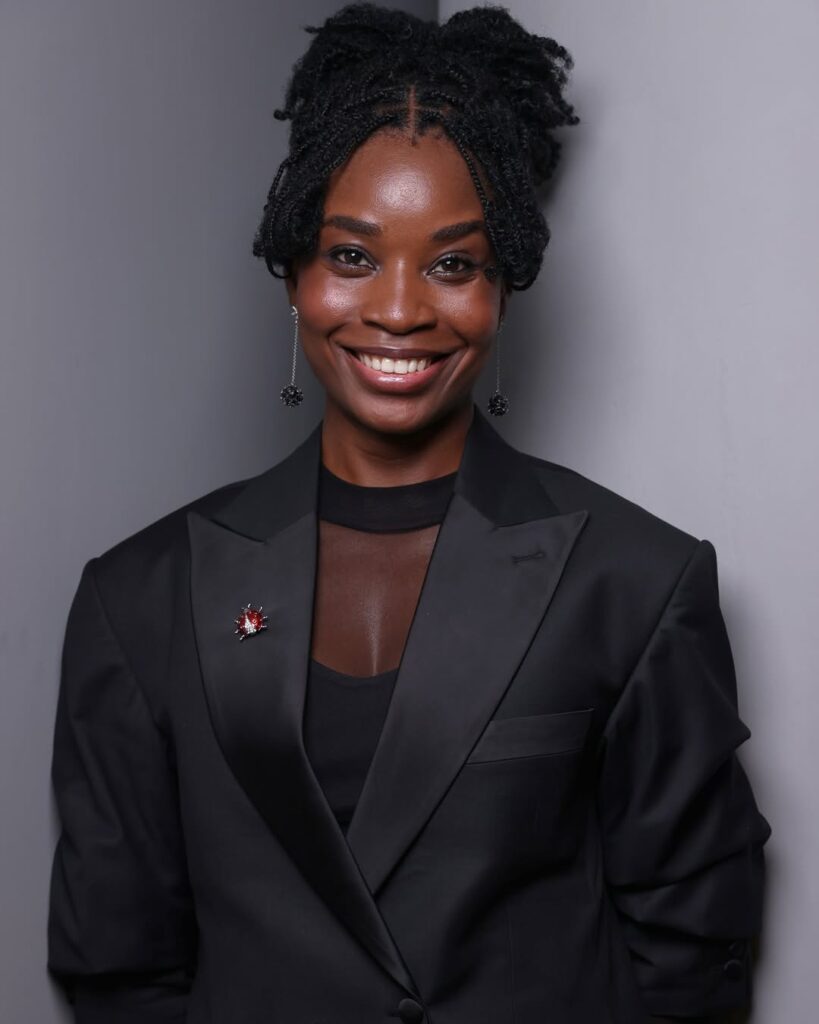
One of the things that has helped Uzoamaka Power burrow herself so deeply into the culture is that her filmography is packed with heavy hitters that mirror the evolution of contemporary Nigerian cinema itself. In Ìfé, Power starred in one of Nigeria’s most talked-about queer films of all time — a rarity, and an empathetic yet politically charged portrayal of lesbian intimacy in a country with deeply conservative anti-LGBTQ laws. The performance earned her the Kim Renders Memorial Award for Outstanding Performance at the Reelout Film Festival.
Her role in Mami Wata further elevated her profile internationally. Directed by C.J. Obasi, the black-and-white fantasy thriller became one of the most critically acclaimed African films of 2023 and was selected as Nigeria’s entry for the Academy Awards’ Best International Feature category. Power also received an Africa Movie Academy Award nomination for Best Supporting Actress for her performance.
Her short film Love Language won the Jury Prize at Nollywood Week Paris, while My Body, God’s Temple which she wrote, directed, and starred in explored purity culture, intimacy, and religion through the story of newlyweds struggling with sexual shame.
It is clearly hard to pin her down to one particular style of writing, filmmaking, or storytelling. Uzoamaka Power is as versatile as they come, and her acting style which is emotionally rich, present, restrained yet deeply affecting, as opposed to melodramatic or generic makes the possibilities feel endless.
Uzoamaka Power represents the new face of prestige Nigerian cinema, and honestly, we cannot wait to see what comes next from her.