










Image Credit: Getty Images
Since the FIFA World Cup introduced yellow and red cards at the 1970 tournament in Mexico, one rule has remained almost sacred: if you’re sent off, you miss your country’s next match. It has happened to legends, rising stars, captains and villains alike. The punishment has always been automatic.
Until now.
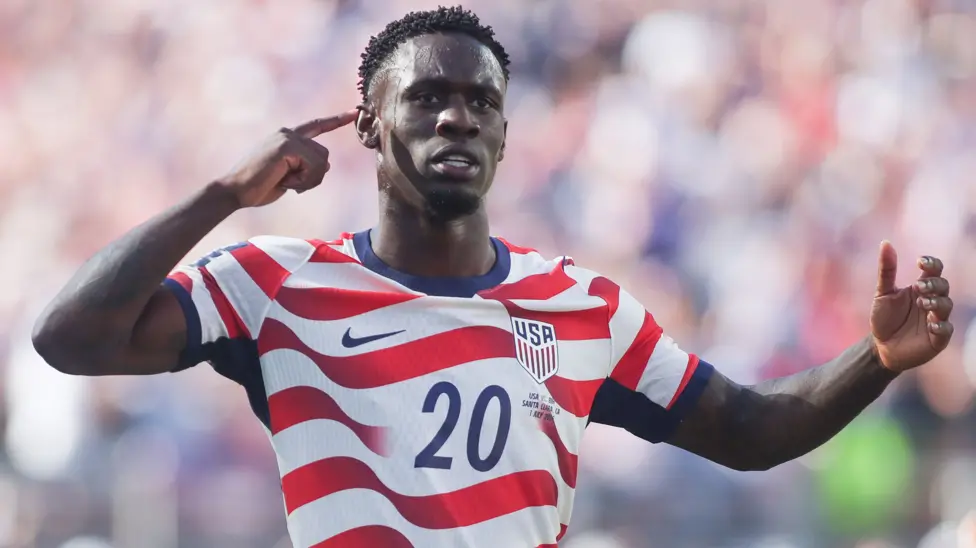
When Folarin Balogun was shown a red card in the United States’ Round of 32 victory over Bosnia and Herzegovina at the 2026 FIFA World Cup, his tournament appeared to be over, at least for the next game.

Image Credit: Getty Images
The USA had booked a place in the Round of 16, but one of their key attacking threats looked destined to watch from the stands.
Then came a decision that immediately entered World Cup history.
FIFA suspended the automatic one-match ban on Balogun, clearing him to face Belgium. In doing so, the governing body didn’t just hand the United States a major boost; it ended a streak that had lasted since the introduction of cards more than half a century ago.
For 56 years, no player had received a red card at a World Cup and then appeared in his team’s very next match.
Balogun is the first.
Only one previous World Cup dismissal had ever been overturned in a way that allowed a player to continue immediately, Brazil’s Garrincha in 1962. But that happened before yellow and red cards even existed. Referees sent players off verbally in those days, making Garrincha’s case part of a different era altogether.
That leaves Balogun standing alone in the modern game.
In a tournament already producing unforgettable stories, Folarin Balogun has written one that nobody thought was possible.