










A few days ago, rapper YCee appeared on a podcast- there’s something ironic about that- and set the Nigerian internet on fire. During the conversation, he described what he called an “Olodo Uprising,” referencing streamers like Peller and arguing that anti-intellectualism had become increasingly visible online.
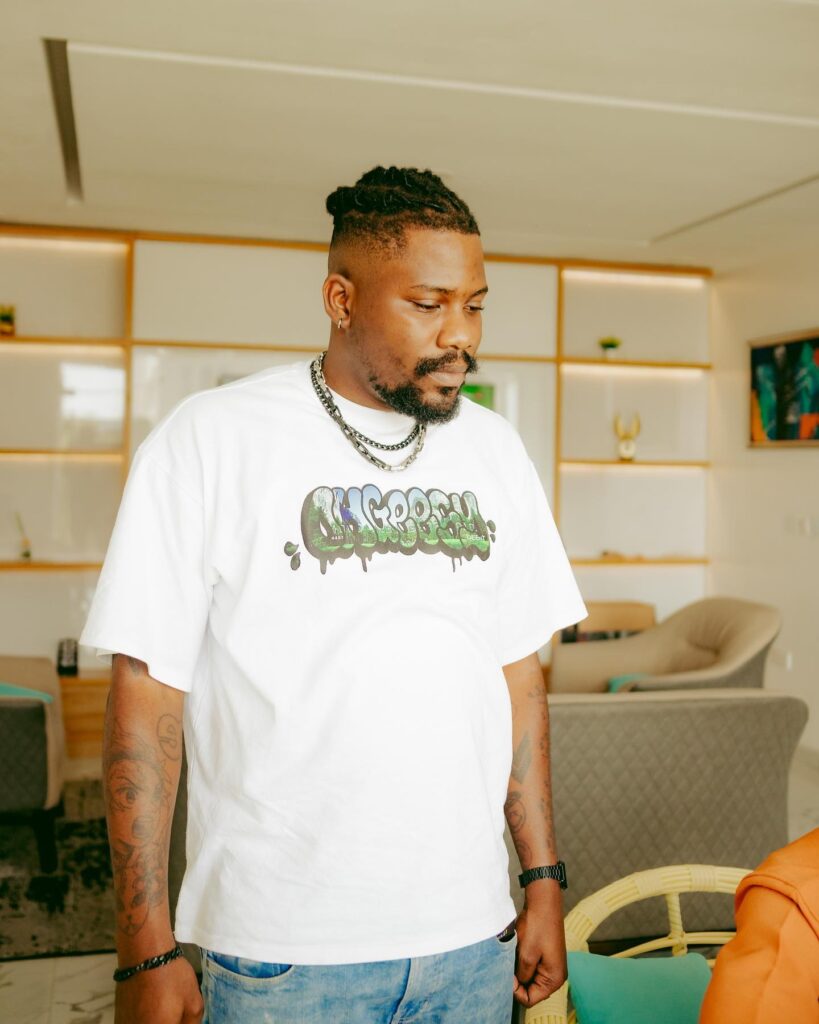
Image Credit: @iam_ycee
Almost immediately, everyone had an opinion.
Some praised him for putting words to a frustration they’d quietly felt for years. Others accused him of looking down on creators, hustlers and young people who have built careers on the internet. Then there were those who argued he simply shouldn’t be commenting on people who are richer or more popular than him. That’s a different conversation.
Fame in Nigeria used to follow a recognisable structure. You became famous through music, film, radio, television, football, or politics. Gatekeepers existed. Talent competitions mattered. Record labels mattered. TV stations mattered. There were institutions controlling visibility, and for the most part, celebrity moved upward through an organised hierarchy. That system has collapsed.
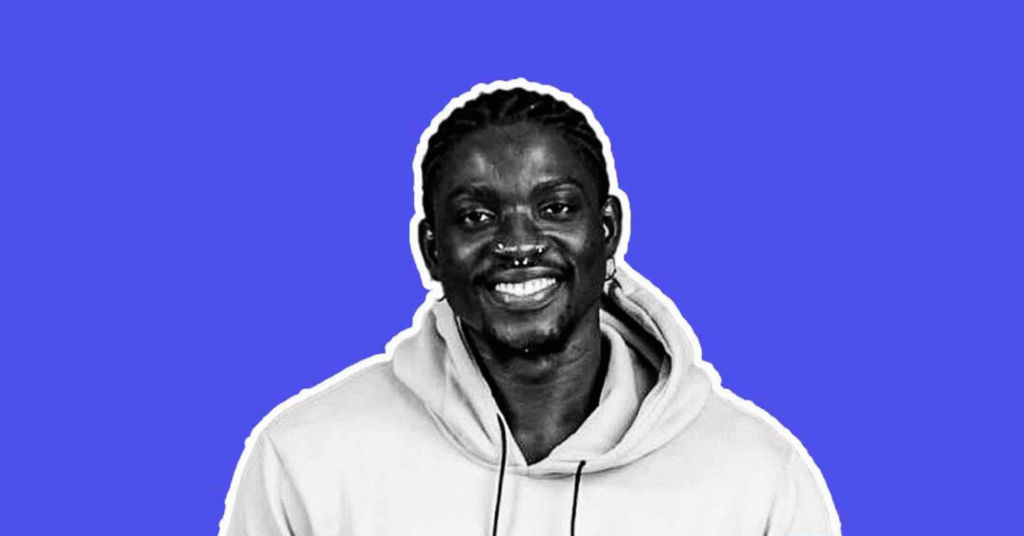
Photo Credit: Research Gains
Today, Nigerian fame emerges from chaos. A person can become nationally recognisable through a TikTok livestream argument, a podcast soundbite, a badly phrased tweet, a relationship scandal, a nightclub video, or an accidentally viral meme. Nobody fully understands the rules anymore, including the people becoming famous themselves.
The Nigerian internet has created a new fame pipeline built less on structure and more on velocity. And increasingly, virality matters more than mastery.
This is partly because social media flattened the distance between ordinary people and public figures. Platforms like TikTok and X transformed attention into currency. The ability to hold conversation became more valuable than belonging to traditional industries.
As a result, fame no longer necessarily begins with expertise. It begins with visibility. One of the clearest examples of this shift is the rise of podcast personalities. In previous decades, media training and broadcasting infrastructure shaped public commentators. Now, a microphone, ring light, and controversial opinion can launch someone into national discourse overnight. Podcasts have become modern talk radio, except far more intimate, chaotic, and personality-driven. Peller (real name Habeeb Hamzat) is one of the clearest examples of what “new fame” looks like in Nigeria. He isn’t simply an influencer; he’s part of a generation whose fame is built on constant attention rather than traditional entertainment careers.
Peller is famous because he is Peller.
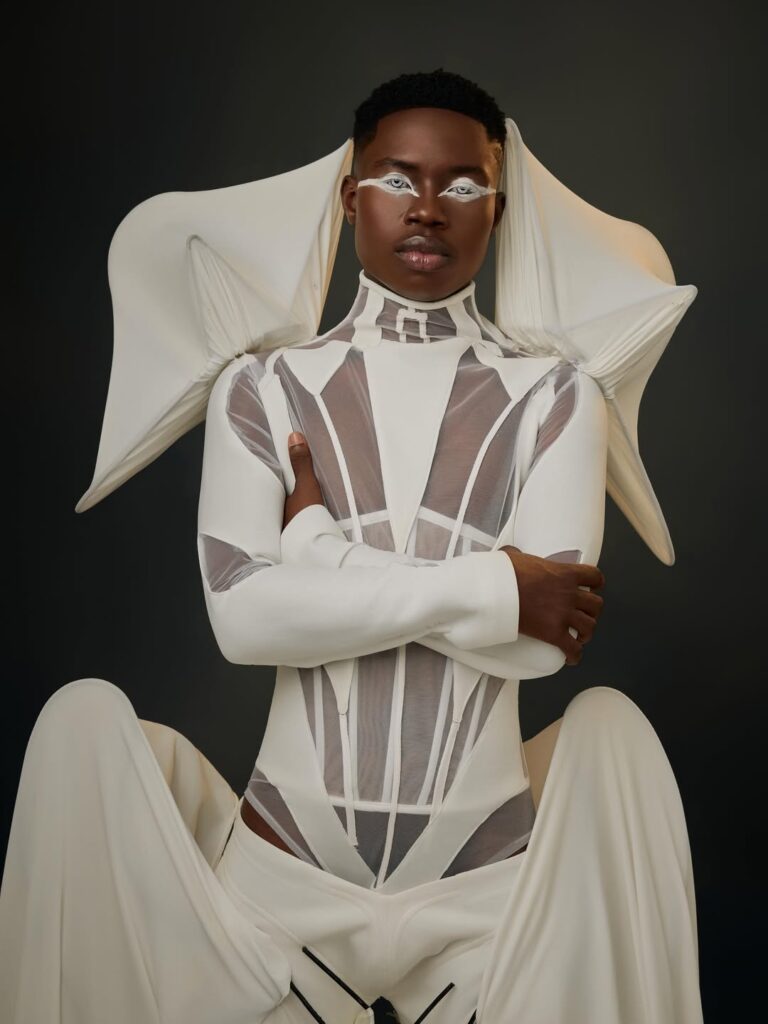
Image Credit: @peller089
At its core, the “Olodo Uprising” refers to the growing popularity of online personalities who seem to have very little intellectual substance to offer—or, to be mean but perhaps accurate, the rise of thought leaders who don’t really have thoughts. In an internet built on engagement, where rage bait is rewarded, and every comment, repost and quote tweet feeds the algorithm, it has become increasingly profitable to provoke rather than inform.
The result is an internet where exaggerated performances, offensive takes and manufactured outrage often outperform thoughtful conversations. Social media platforms don’t necessarily reward the smartest person in the room; they reward the person who can keep people watching.
But this isn’t simply about creators. It’s about the internet they are responding to.
At its core, the “Olodo Uprising” refers to the growing popularity of online personalities who seem to have very little intellectual substance to offer—or, to be mean but perhaps accurate, the rise of thought leaders who don’t really have thoughts. In an internet built on engagement, where rage bait is rewarded, and every comment, repost and quote tweet feeds the algorithm, it has become increasingly profitable to provoke rather than inform.
The result is an internet where exaggerated performances, offensive takes and manufactured outrage often outperform thoughtful conversations. Social media platforms don’t necessarily reward the smartest person in the room; they reward the person who can keep people watching.
But this isn’t simply about creators. It’s about the internet they are responding to.
For decades, Nigerians were sold a simple formula: go to school, get good grades, earn a degree, and you’ll build a good life. That promise shaped generations. Parents sacrificed everything because education was supposed to guarantee upward mobility.
Today, that social contract feels increasingly broken.
Millions of graduates struggle to find meaningful work while creators, streamers and influencers build audiences and incomes without following the traditional path. Success has become algorithmic rather than academic. Attention has become a currency of its own.
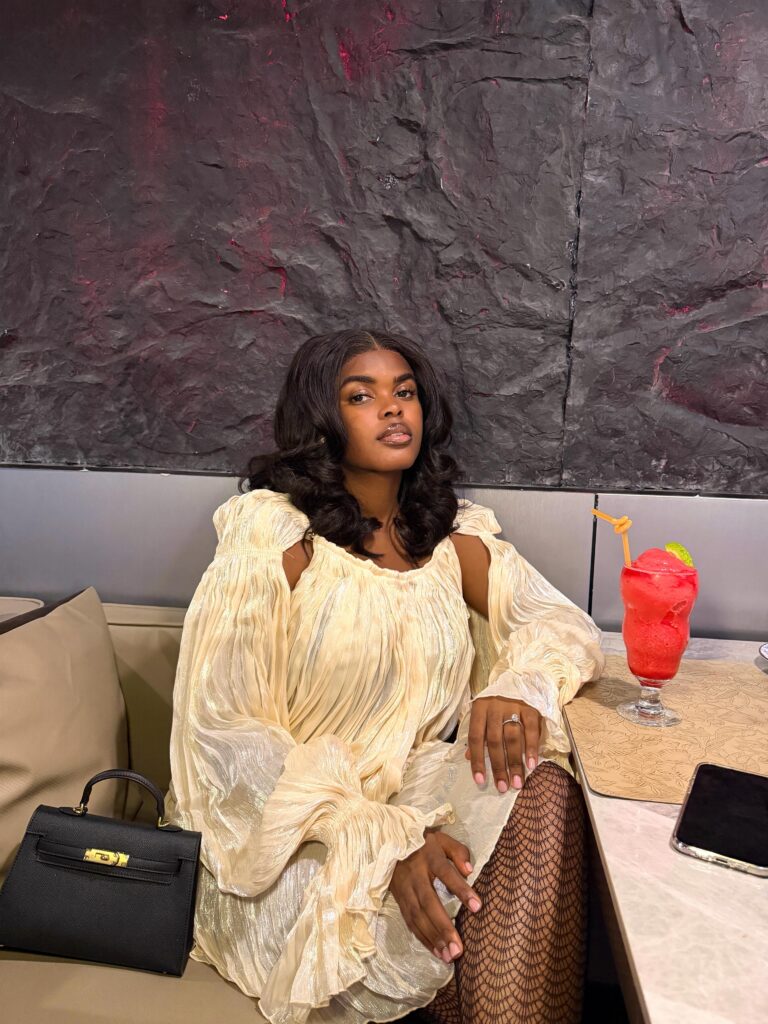
Image Credit: @realjadrolita
Young Nigerians increasingly view fame less as a final destination and more as leverage. Visibility can lead to influencing deals, media opportunities, fashion partnerships, event hosting gigs, podcast appearances, or social capital. Celebrity itself has become decentralised. This is why modern Nigerian fame often feels niche yet omnipresent at the same time. Different corners of the internet produce entirely different stars. TikTok has its celebrities. Twitter has its own ecosystem. Nightlife has another. Fashion circles have another. Podcast audiences have another.
There is no longer one central culture machine creating universally recognised stars. Instead, Nigeria now operates through overlapping micro-scenes constantly colliding online.
This fragmentation also explains why controversy has become such an effective growth strategy. Outrage spreads faster than polish. The algorithm rewards emotional reaction, and Nigerian internet culture thrives on participation. Public dragging, discourse cycles, and quote-tweet wars now function almost like entertainment genres. The result is a celebrity culture that feels both more democratic and more exhausting. Anyone can theoretically become visible now. But visibility itself is fragile, addictive, and increasingly difficult to sustain.
It’s time Nigerians took a more critical view of who we make famous.
For years, we mocked Americans for making The Kardashians famous “for nothing.” But look at us now. We’re rewarding people for being chaotic, anti-social, and, at times, promoting behaviour that’s objectively harmful to society.
Just as we demand more from the people who represent us politically—our presidents, ministers, and members of the House of Representatives—we should also demand more from the people who represent us socially.
The people we choose to celebrate shape our culture. Maybe it’s time we raised our standards for who gets this new fame. In many ways, the “Olodo Uprising” isn’t really an intelligence problem. It’s an incentive problem.
So what comes next?
Like the media literacy crisis that has shaped much of the Western internet over the past decade, this isn’t something that can be solved by simply calling people “olodo.” It has to be addressed culturally.
We have to intentionally celebrate creators who educate as much as they entertain. We have to reward conversations that leave us thinking instead of simply reacting. We have to stop giving endless attention to content designed only to make us angry.
Because the internet isn’t some independent force acting against us. It’s trained on us. Algorithms learn from what we watch, like, share and argue about.
If we want a better internet, we have to start rewarding better content








Your content is a go-to source for me when I need information. Great work, as always!
I\’m glad you enjoyed it! Your kind words inspire me to keep creating informative content.
This post is a game-changer. I\’ve learned so much from it – thank you!
I love how your posts are always so well-structured and easy to follow. Keep it up!