






Image Credit: CAF
Every World Cup has that one team. The one fan secretly adopts after their own country gets knocked out. The one that makes neutrals forget about rankings, transfer values and betting odds.
Cape Verde is that team.
A country of just over half a million people walked into football’s biggest party wearing no designer suit, no superstar reputation and no expectation. They looked around at the giants and asked, Who’s next?
They drew with Spain. They frustrated Uruguay. They refused to be intimidated. Then they took the defending world champions, Argentina, into extra time and almost pulled off one of the greatest upsets the World Cup has ever seen.
Not bad for a nation that many fans had to Google before the tournament started.
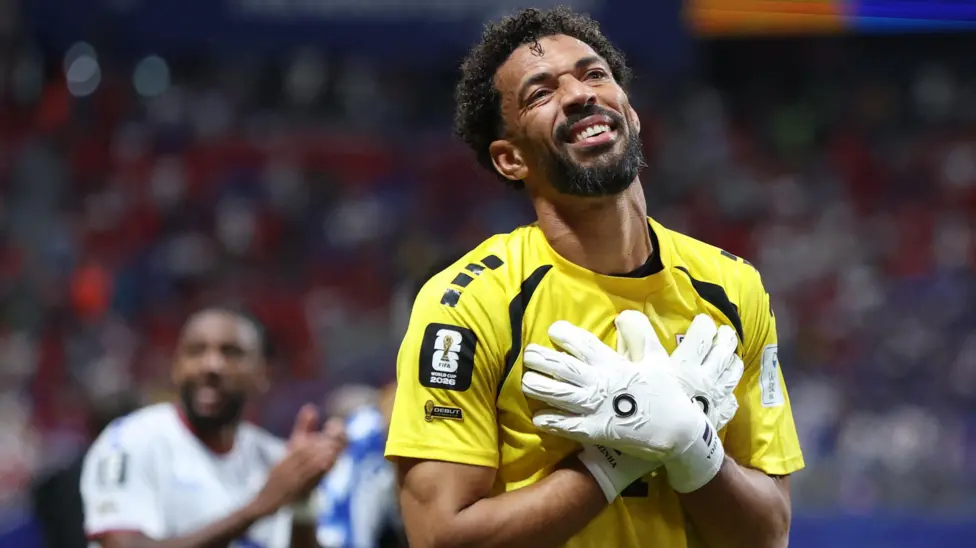
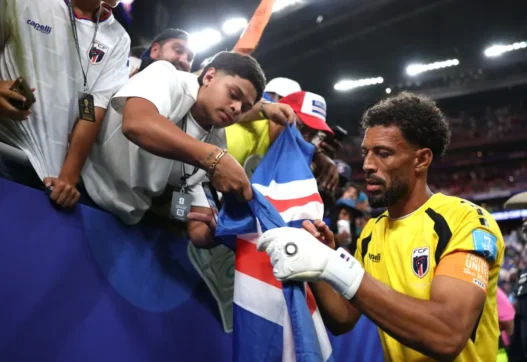
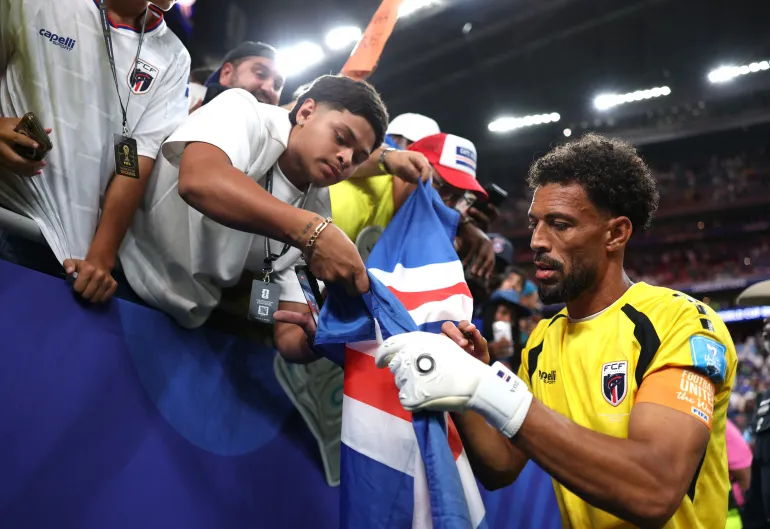
Their goalkeeper, Vozinha, became a cult hero overnight. At 40 years old, he was diving around his penalty area like someone had accidentally told him he was 24. By the end of the tournament, strikers probably started seeing him in their nightmares.
Then there was Roberto “Pico” Lopes, whose journey to the national team reportedly started with a LinkedIn message. Only Cape Verde could turn a professional networking app into a football scouting system.
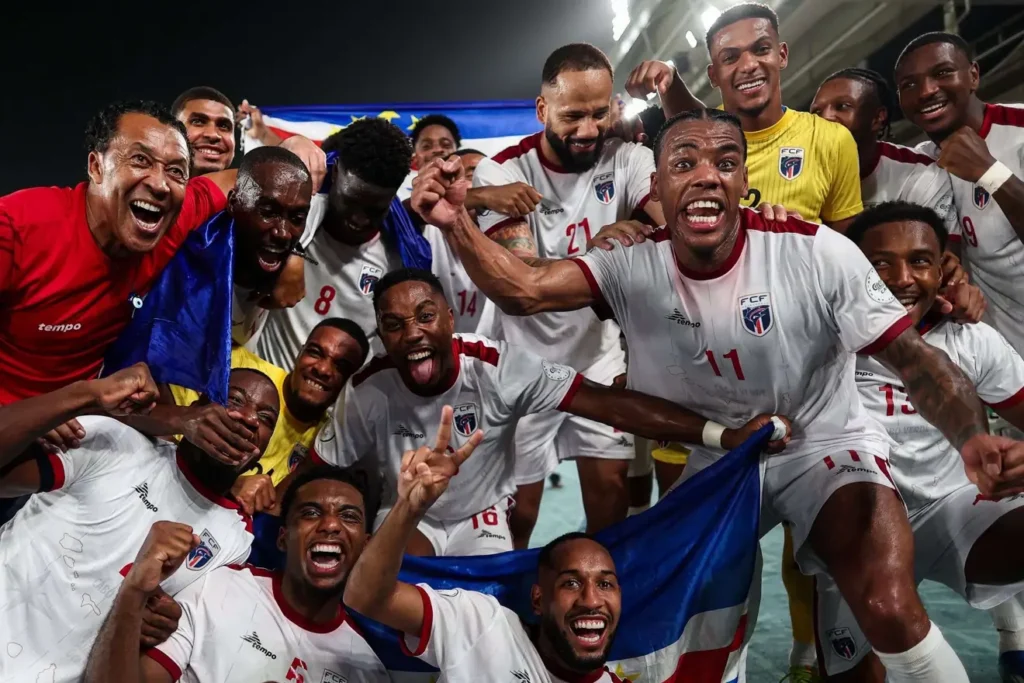
And when they finally lost 3-2 after extra time, they walked off with something many champions never earn: universal respect. Coach Bubista summed it up perfectly when he said his players played with bravery and represented their country with pride.
The world noticed.
Cape Verde arrived as outsiders.
They left as everyone’s second team.
And perhaps that’s the greatest compliment football can give.
Thierry Henry praised their fearless approach. Daniel Sturridge admired their courage. Mats Hummels applauded their journey. Even British actor Hugh Laurie joined the growing list of admirers celebrating the Blue Sharks’ unforgettable run.