





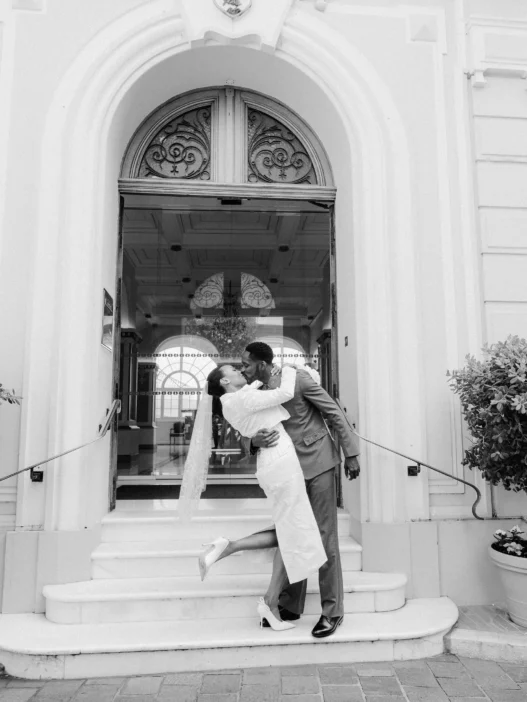
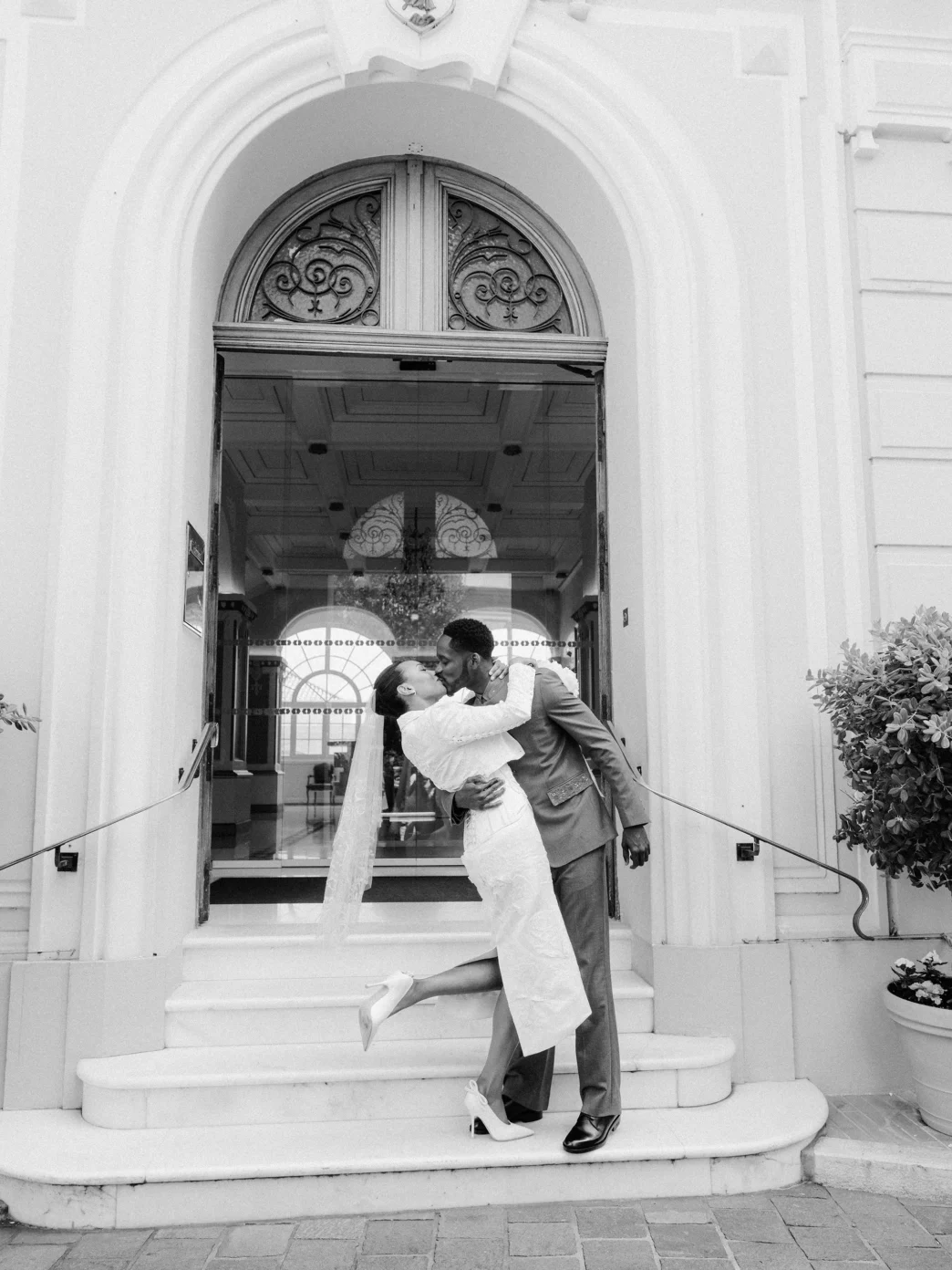
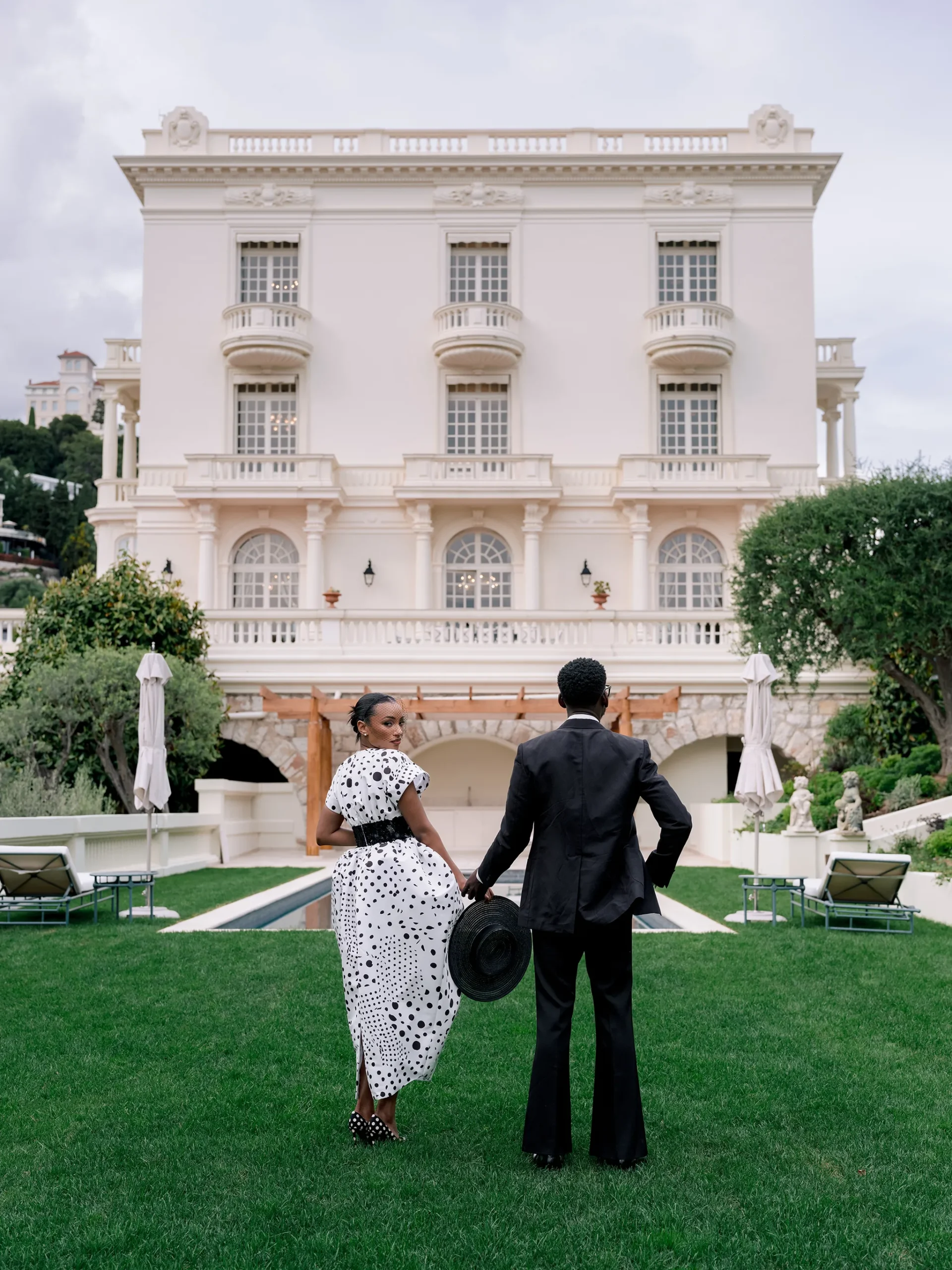
Nigerian weddings have always been theatrical. This has been the case even before Instagram, weddings functioned as public performance: family pride, community gathering, fashion showcase, and social announcement all rolled into one. There has long been pressure to impress. The aso-ebi culture alone turned attendance into participation, transforming guests into part of the spectacle itself.
But somewhere over the last decade, Nigerian weddings evolved from celebration into full-scale content production and today, the modern Nigerian wedding often feels less like an event and more like a cinematic universe.
There are teaser trailers before the ceremony. Bridal reveal videos. Drone shots sweeping across beachfront venues. Professionally edited “love story” documentaries. Coordinated aesthetics. Custom hashtags. Influencer guest lists. Reception entrances that resemble concert performances. Some weddings now unfold with the scale and visual ambition of brand campaigns. And perhaps most interestingly, these weddings are no longer experienced primarily by the people physically present. They are designed for internet consumption. 
The Nigerian wedding became content.
This transformation happened partly because social media changed the function of aspiration itself. Platforms like Instagram and TikTok turned visibility into status. Luxury became something performed publicly rather than experienced privately. Weddings, already culturally important, naturally became ideal stages for this performance economy. A wedding now communicates far more than romance. It signals class position, taste level, professional success, family wealth, social network, and aspirational identity.
In other words: the Nigerian wedding became branding.
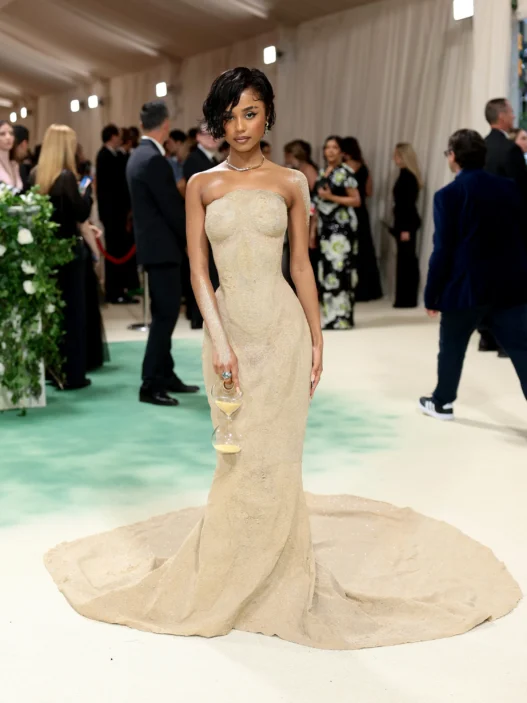
This is especially visible in bridal fashion. Weddings increasingly operate as fashion moments first and ceremonies second. Brides now often have multiple custom looks across the introduction, traditional ceremony, white wedding, after-party, and reception. Designers receive enormous visibility through bridalwear because wedding images circulate online for weeks afterward.
The Nigerian bride became a style archetype. And unlike previous eras where wealth alone defined wedding prestige, contemporary weddings reward curation. Taste matters almost as much as money now. Floral installations, tablescapes, lighting design, and color palettes are discussed with the seriousness once reserved for architecture projects. Wedding planners evolved into creative directors.
The rise of destination weddings and luxury venues intensified this further. Weddings moved beyond church halls into beaches, resorts, gardens, and private estates designed specifically for aesthetics. Venues now exist not just to host people but to produce imagery. Photography and cinematography changed everything too.
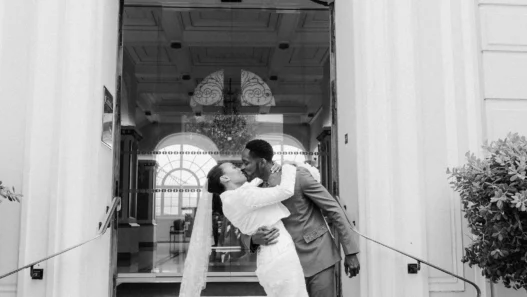
Older Nigerian wedding albums documented events. Modern wedding visuals manufacture mythology. Couples are filmed like celebrities: slow-motion shots, dramatic soundtracks, cinematic editing, carefully staged emotional moments. Wedding videographers became storytellers constructing idealized narratives of love and success.
The drone shot especially feels symbolic of this entire era. Nigerian weddings increasingly want to look enormous from above.
Scale matters.
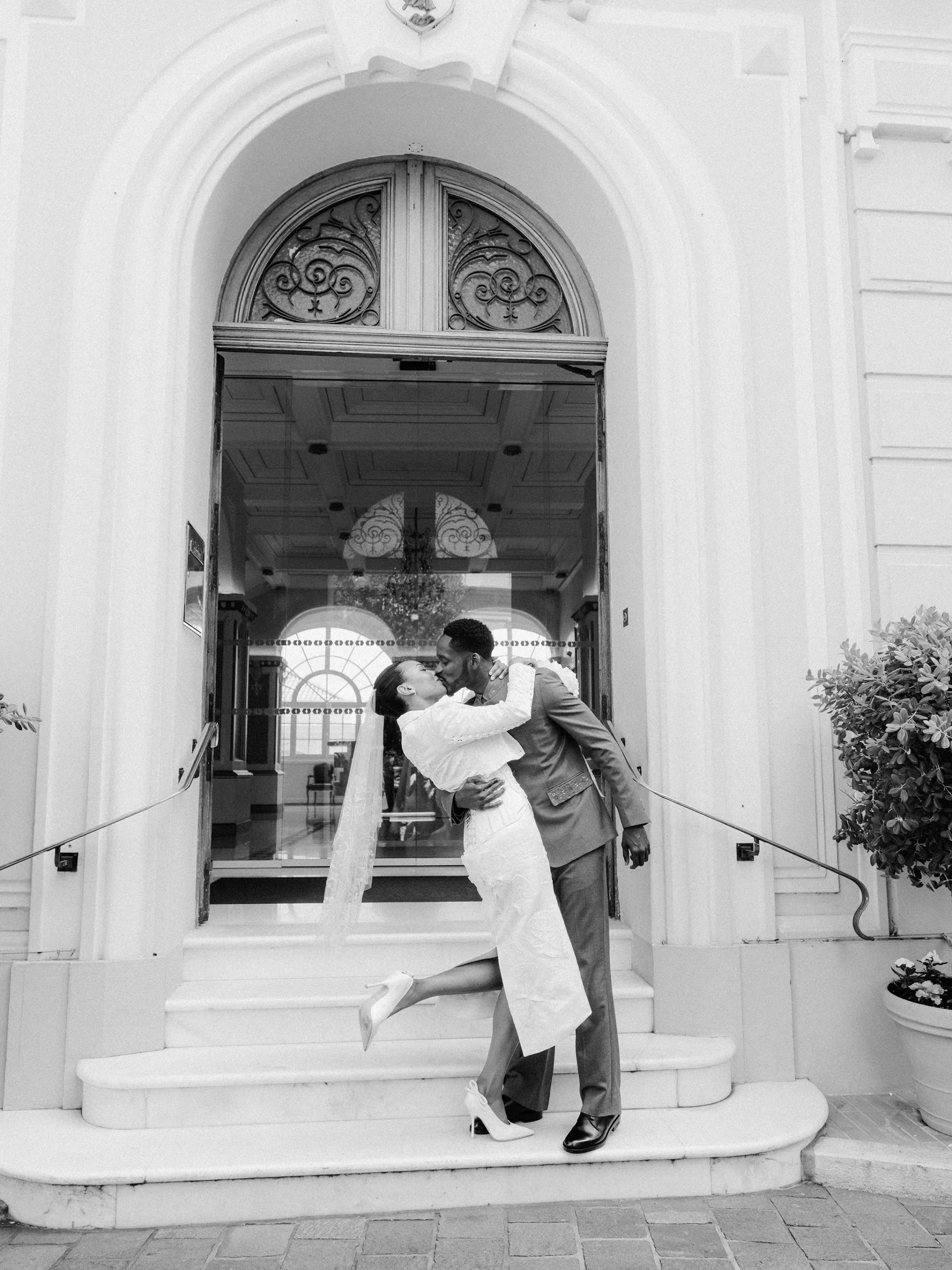
Social media also introduced a new layer of competitive visibility. Weddings now exist within an endless online ecosystem where every event is instantly compared against hundreds of others. One extravagant wedding raises expectations for the next. Audiences became accustomed to spectacle, which pushed couples toward increasingly elaborate productions.
The result is a subtle but intense escalation culture. Each year weddings become slightly more extravagant, slightly more curated, slightly more performative. Not necessarily because couples are shallow, but because aspiration itself has become collective and visual.
Influencer culture accelerated this dynamic. Guest lists now sometimes include creators selected partly for their visibility online. A celebrity guest appearance can amplify a wedding’s internet reach dramatically. The event becomes social content for dozens of attendees simultaneously. Even proposals now function as pre-wedding campaigns. But beneath the glamour sits something more emotionally complicated.
Nigerian weddings increasingly carry the burden of public proof. In a society shaped by economic instability, migration anxiety, and intense social comparison, weddings offer one of the few opportunities for people to visibly announce that they are succeeding. The wedding becomes evidence: we made it. This helps explain why families often invest enormous resources into ceremonies even during financially difficult periods. Weddings are not simply personal milestones; they are communal status events. There is also pressure created by diaspora culture. Weddings involving UK-, US-, or Canada-based Nigerians often amplify expectations further because they merge multiple luxury aesthetics at once. Social media then recirculates these weddings back into local culture, raising standards again.
Still, something fascinating happens within all this excess: Nigerian weddings remain deeply emotional. For all the performance, many ceremonies still genuinely feel joyful, communal, and culturally rich. The dancing, the music, the fashion, the family rituals — these things continue to carry meaning beyond content generation. The spectacle exists because weddings still matter profoundly.
Perhaps that is why the arms race continues.