





A few years ago, the ultimate Lagos flex involved nightlife.
Tables. Bottles. After-parties. Looking expensive at 2 AM.
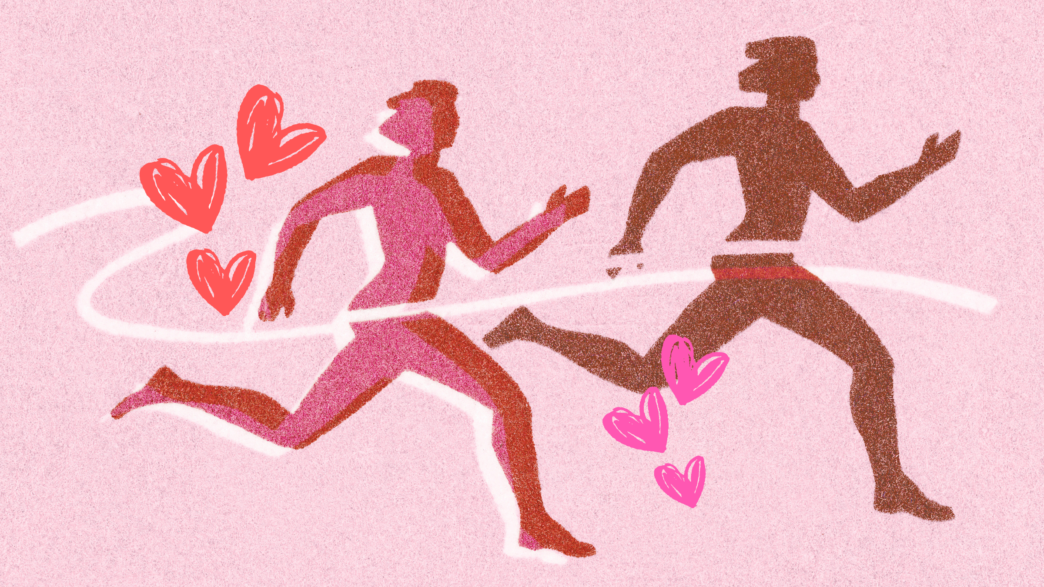
Now, some of the city’s coolest people are voluntarily waking up at 5:30 in the morning to run several kilometers together before work. Everywhere you turn, someone is posting a gym selfie, a screenshot of their running stats, a picture after pilates, or a sweaty mirror photo captioned “consistency.” Suddenly, everyone has a gym membership. Everyone knows what creatine is. Everyone is training for a marathon. 
And if you’ve noticed this shift, you are not imagining it. It is happening globally — and Lagos is right at the center of it.
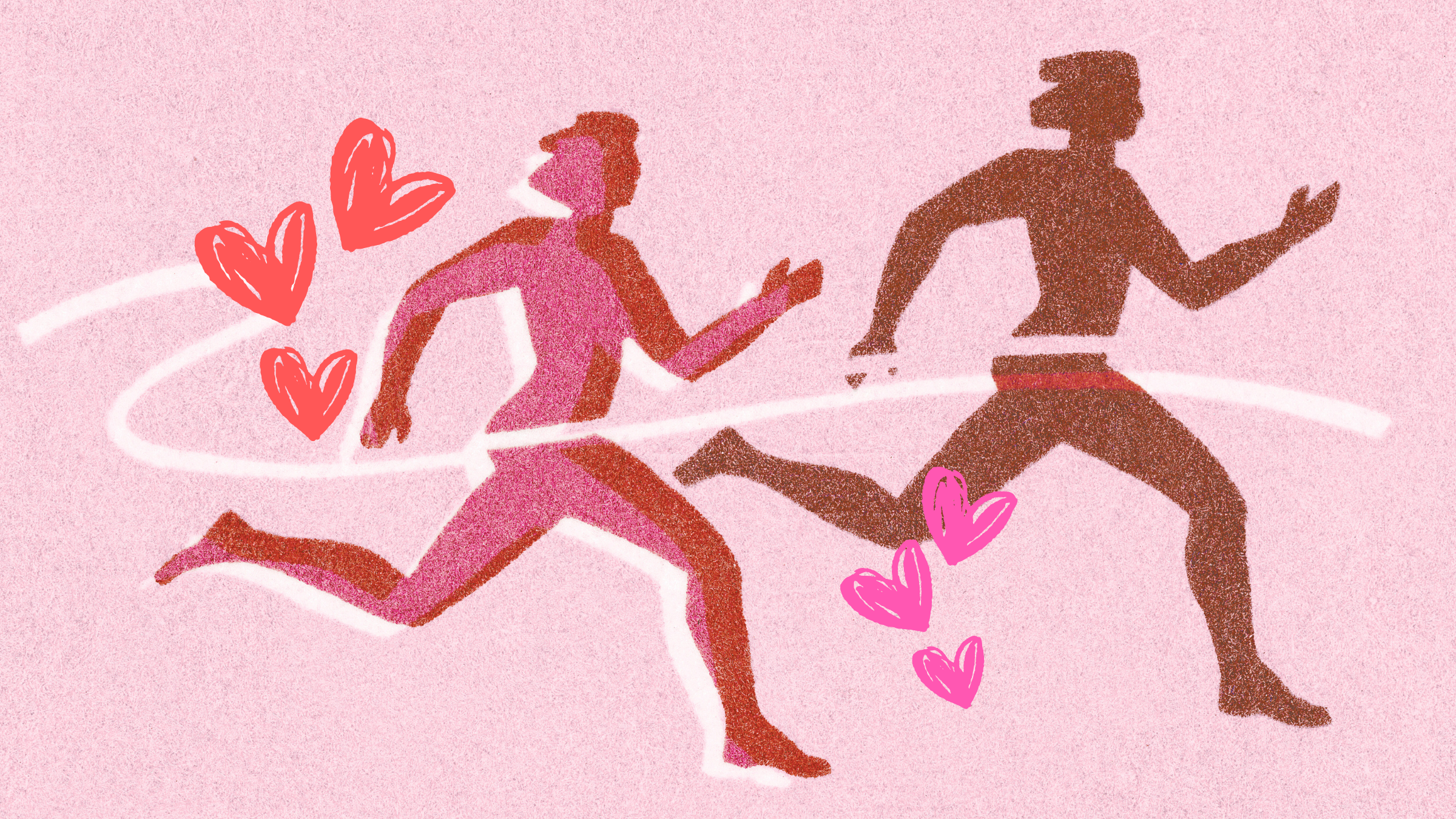
Across cities like New York, London, Berlin, Johannesburg, Toronto, and Lagos, run clubs have quietly become one of the fastest-growing social scenes for people in their 20s and early 30s. According to The Guardian, more than 1.1 million people entered the ballot for the 2026 London Marathon — a world record and nearly double the figure from just two years ago. Even more interestingly, the race is becoming younger and more gender-balanced, with over a third of entrants between 18 and 29 years old. But this trend says far more about culture and the economy than simply people wanting better abs.
Lagos has entered its wellness era.
Across the city, run clubs, pilates studios, padel courts, hiking groups, gym communities, wellness cafés, and fitness collectives are exploding in popularity among young professionals, creatives, and tastemakers. What initially looked like a temporary aesthetic trend increasingly feels like a deeper cultural shift in how aspiration itself is performed. The new Lagos status symbol is not just enjoyment. It is optimization.
Part of this transformation is practical. Lagos is exhausting. The city’s pace, traffic, economic anxiety, and constant stimulation produce a level of burnout many young people are struggling to manage. Wellness culture offers structure in an environment that often feels chaotic. Running, in particular, provides something surprisingly rare in Lagos: control.
But there is also another reason this shift is happening: young people are looking for new ways to socialize.
A Forbes article described run clubs as “the new Tinder.” That sounds dramatic until you realize how many young people increasingly feel alienated by dating apps, nightlife culture, and online socializing. Apps feel performative, transactional, exhausting, and algorithmic. Clubs are expensive. Bars feel repetitive. Many young people are quietly searching for environments that feel more intentional.
And surprisingly, fitness spaces are filling that gap.
People are meeting romantic partners through run clubs. They are making friends through pilates classes. They are building community through gym groups. The same generation that once centered nightlife around connection is increasingly replacing it with wellness culture.
This means:
- run clubs
- pilates classes
- hiking groups
- gym communities
- marathon culture
- wellness cafés
Instead of:
- clubs
- bars
- heavy drinking
- bottle service
- expensive nights out
And while part of this shift is about health, a huge part of it is economic.
Going out has become incredibly expensive. One night outside now involves rideshares, drinks, food, entry fees, outfits, and recovery costs. In cities like Lagos, where inflation continues to reshape daily life, nightlife increasingly feels financially unsustainable for many young people.
According to the 2025 PiggyVest Savings Report, three in five Nigerians either earn below ₦100,000 monthly or currently have no stable income at all. In online conversations around wellness culture, many young people openly admit that clubbing no longer feels realistic “in this economy.”
Previous generations often treated youth as a period for experimentation and chaos. Today, everything is too expensive for that level of recklessness. Online, Gen Z jokes about their “roaring twenties” barely “meowing.”
So instead, young people are treating youth like a survival project.
They are:
- tracking sleep
- measuring calories
- counting steps
- lifting weights
- taking supplements
- reducing alcohol
- running marathons
- treating health like productivity infrastructure
Wellness increasingly feels less like self-care and more like self-preservation.
And Lagos, perhaps more than most cities, makes this logic understandable. The city drains people constantly. Traffic steals hours. Hustle culture dominates social life. Economic uncertainty sits quietly beneath almost every conversation. In that environment, routines begin to feel luxurious.
A gym membership may seem expensive, but compared to repeated nights out, it starts feeling practical. Running is free. Wellness communities offer somewhere to go consistently for one or two hours every day. They provide movement, structure, routine, and increasingly, social belonging.
In many ways, run clubs are replacing clubs.
And like every important Lagos social movement, the city’s tastemakers are helping shape the aesthetic. The same creative class that once built identity around nightlife now gravitates toward wellness, balance, discipline, and intentionality. Morning runs now carry some of the same social energy parties once did. People still want community, visibility, and aspiration — the setting has simply changed.
Instagram accelerated this transformation. Fitness content performs extremely well online because it combines productivity, beauty, aspiration, discipline, and routine into one visual package. Morning runs at Lekki-Ikoyi Bridge now circulate online almost like nightlife photos once did. The body itself became part of personal branding.But underneath the aesthetics sits something deeper. The rise of wellness culture reflects a generation searching for stability inside unstable systems. If dating apps are emotionally exhausting, nightlife is expensive, work is stressful, and the economy feels uncertain, people will naturally begin looking for healthier, cheaper, and more meaningful ways to live.
That is the real story here: fitness culture is no longer just about aesthetics. It is about routine, survival, identity, discipline, aspiration, and the search for connection in an unstable world.
And perhaps that is why everyone in Lagos suddenly wants to run. Not because the city became healthier overnight. But because in a world increasingly defined by chaos, wellness started to feel like control.