






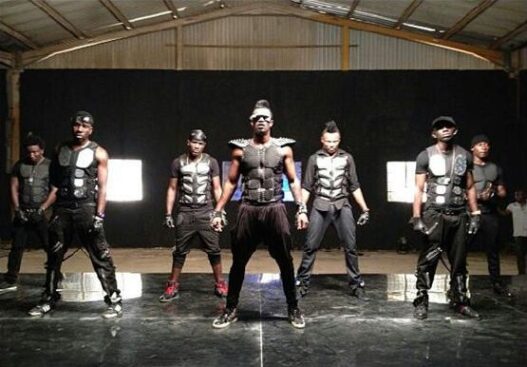
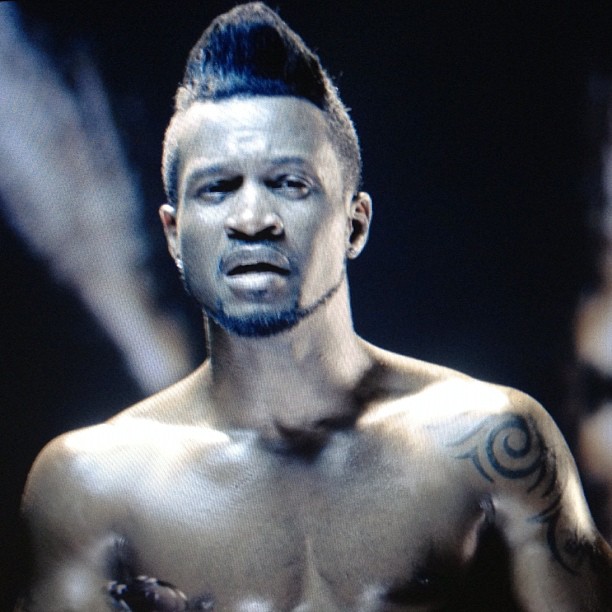
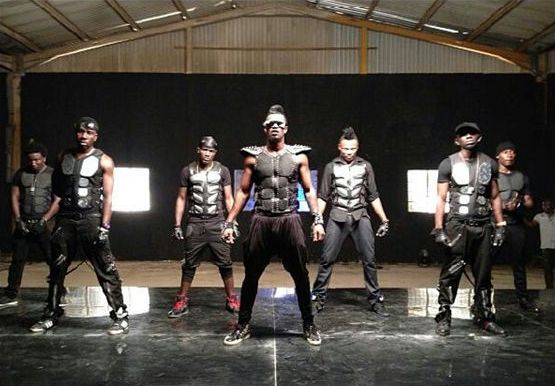
A new video from P-Square or D’banj wasn’t just content to consume in passing; it was a cultural reset. People gathered around TVs to catch premieres on Channel O, Soundcity, MTV Base, and Trace. School conversations the next morning revolved around choreography, outfits, locations, and dance breaks. Directors became stars. Budgets became bragging rights. Videos lived in public memory.
Today, Nigerian music is bigger than it has ever been globally, but paradoxically, Nigerian music videos feel smaller than they once did.
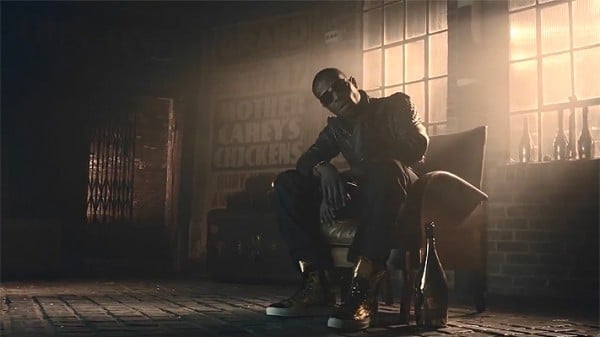

Most people can immediately recall the songs dominating the country right now, but far fewer can remember their accompanying visuals. The average hit record no longer produces an equally iconic video moment. Somewhere between the rise of TikTok, the collapse of monocultural media, and the transformation of music into background content for social platforms, the Nigerian music video lost its place at the center of pop culture conversation.
And perhaps the most interesting thing about this shift is that music videos didn’t exactly die. They just stopped mattering in the same way.
The golden era of Nigerian music videos was built around spectacle. The Mo’ Hits years perfected this formula. Videos like Oliver Twist, Why Me, or Booty Call felt ambitious and cinematic at a time when the local industry was still defining itself visually. Wande Coal videos radiated charisma. P-Square videos looked enormous. Even when the CGI was rough or the plots were chaotic, there was intention behind the scale.
Directors like Clarence Peters became architects of Nigerian pop aesthetics. He understood that Nigerian music videos were not simply promotional tools; they were aspiration machines. Videos sold fantasy: wealth, confidence, beauty, cosmopolitanism, romance. They helped audiences imagine what modern African stardom could look like.
That visual ambition continued into the early 2010s. Davido’s “Back When,” Wizkid’s “Pakurumo,” and Tiwa Savage’s early Mavin-era videos all contributed to a period where visuals helped define celebrity itself. Artists were not just musicians; they were image-makers.
But the infrastructure supporting that ecosystem slowly changed.
The first major disruption was technological. Television stopped being the center of youth culture. The collective ritual of waiting for music video premieres disappeared once YouTube and streaming became dominant. Audiences no longer consumed music videos simultaneously. Instead, they encountered songs individually through fragmented feeds.
Then TikTok changed the relationship between music and visuals entirely.
For decades, music videos functioned as the primary visual identity for songs. Today, TikTok creators often perform that role instead. A dance challenge, meme format, or 15-second trend can become more culturally significant than the official visual itself. Songs now arrive pre-fragmented into clips optimized for virality rather than cinematic storytelling.
In many ways, TikTok democratized visual interpretation. Artists no longer fully control how their music is seen. The audience does.
This also changed incentives. Why spend millions producing a narrative-heavy music video when a low-budget snippet can generate more engagement online? The economics of attention no longer favor long-form visuals. Music videos became supplementary instead of central.
Another factor is that fashion has quietly replaced music videos as Nigeria’s dominant visual language.
Today’s Nigerian stars often generate more discussion through Instagram dumps, Fashion Week appearances, magazine shoots, or red carpet moments than through official visuals. An artist’s fit at Paris Fashion Week may travel further online than their latest video release. The aesthetic labor once concentrated inside music videos now exists across multiple platforms.
This explains why contemporary artists increasingly feel like lifestyle figures rather than traditional pop stars. Their visual storytelling happens continuously through social media rather than episodically through carefully constructed video worlds.
Ironically, some of the artists making the strongest visuals today are those resisting algorithmic pressure. Rema has consistently invested in atmosphere-heavy visuals. Asake understands visual identity exceptionally well, creating videos that feel surreal, maximalist, and culturally textured. But even these videos often circulate as screenshots, GIFs, or short clips instead of full-length cultural moments.
The audience’s relationship with attention itself has changed. Music videos once demanded focus. Now they compete with endless scrolling.
Still, nostalgia for the old era persists because those videos represented more than entertainment. They captured a moment when Nigerian pop culture was still proving itself to both local and global audiences. There was hunger in those visuals. They felt like declarations.
Today, Nigerian music has already conquered the world commercially. Perhaps the urgency has shifted elsewhere.
Or maybe the next evolution of the Nigerian music video simply hasn’t arrived yet.
Because culture moves in cycles. Attention spans may be shorter, but audiences still crave spectacle, storytelling, and visual worlds that feel larger than life. Eventually, some artist will figure out how to merge cinematic ambition with internet-native behavior in a way that reshapes the format again.
And when that happens, Nigerian music videos may once again become events.