








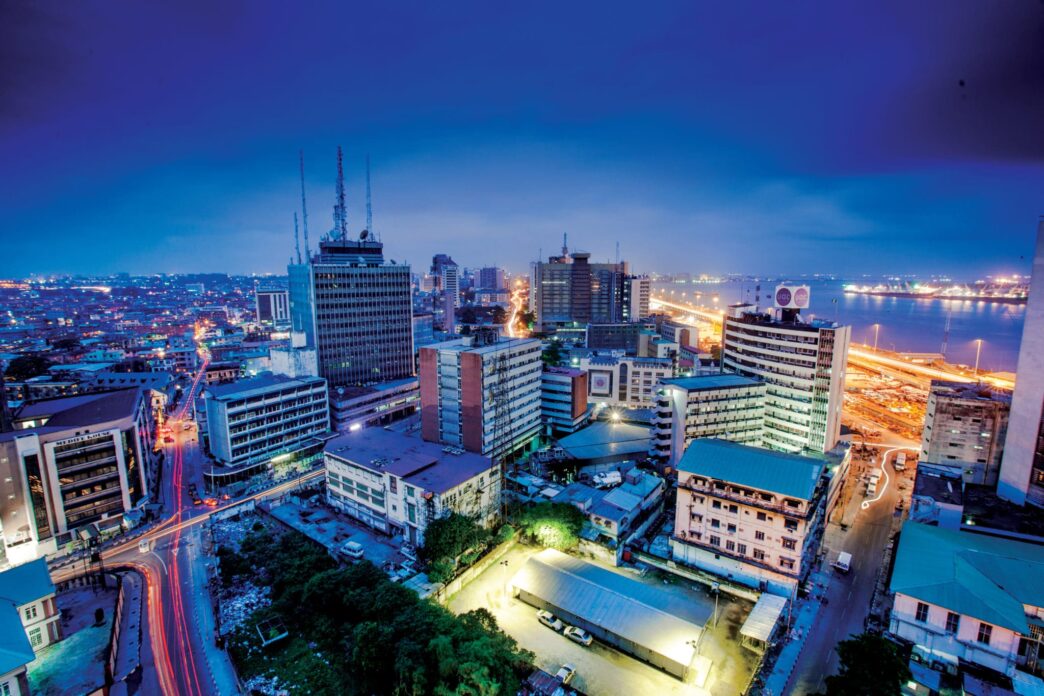
For much of the last decade, Lagos has occupied a unique position in Africa. It is Nigeria’s commercial capital, sure, but it has also become the continent’s unofficial cultural headquarters, a city whose influence extends far beyond its country borders. It is often the country championing the trends that define the continent year by year, and while outside influence and opinion doesn’t count when we talk about something like this, it is also where people think about when they hear Africa.
From Afrobeats’ ascent into a global phenomenon to Nollywood’s dominance of African storytelling, Lagos has now spent years exporting culture at a scale few cities anywhere else in the world can match. The city has also built a formidable ecosystem around fashion, music, nightlife and art, anchored by institutions and events such as Lagos Fashion Week, Homecoming, ART X Lagos and the annual Detty December season. For many young Africans, Lagos is where culture happens. Of course, many can say that this has fed into the Nigerian delusion of being the main characters of the continent, but the cultural dominance is real and hard to ignore.

However, cultural dominance is rarely permanent.
Across the continent, a growing number of cities are building creative ecosystems that are more organised, globally connected and easier to scale. While none have yet truly displaced Lagos as Africa’s primary cultural engine, several are beginning to challenge its supremacy in specific areas. The question is no longer whether Lagos remains influential. It is whether influence alone is enough.
South Africa’s Johannesburg
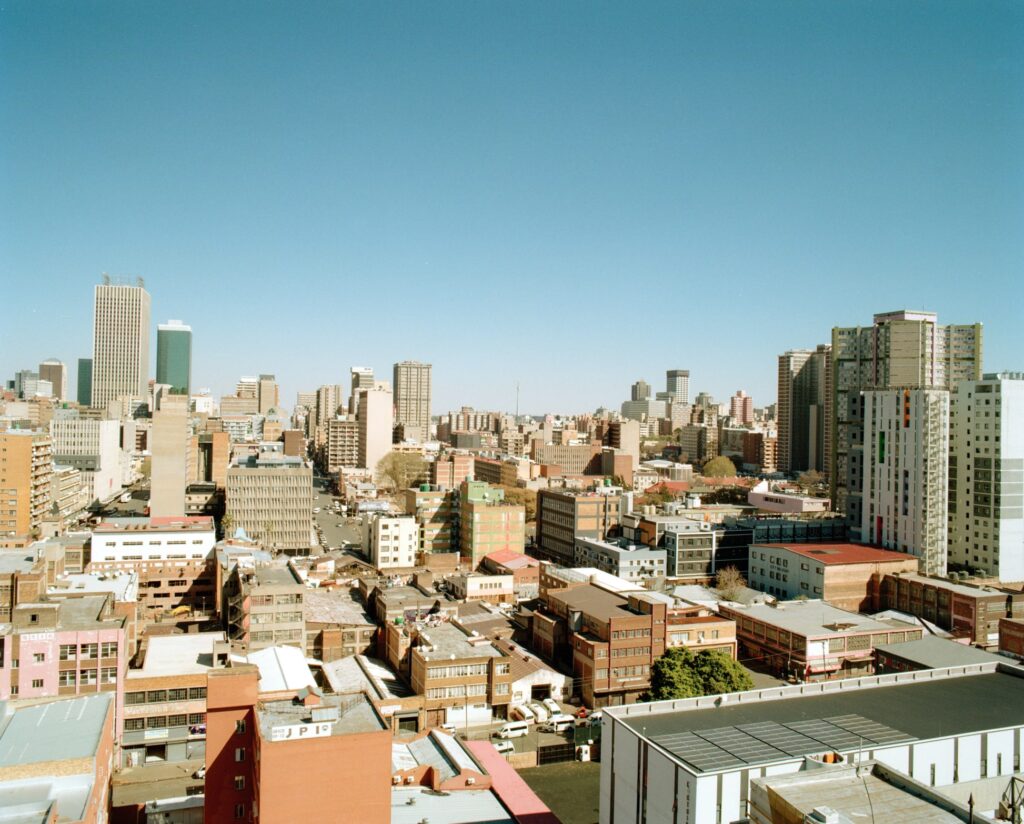
Image Credit: Art Basel
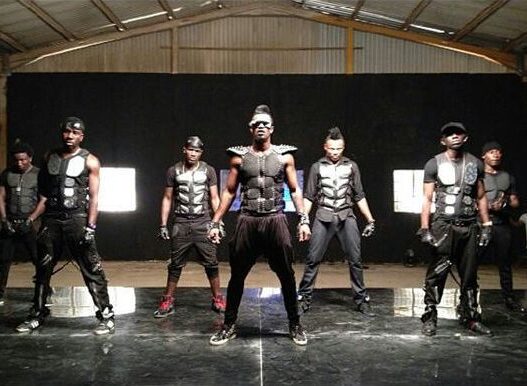
Lagos and Lagosians thrive on chaotic energy [they are also very proud of it], Johannesburg on the other hand thrives on infrastructure.
South Africa’s largest city has spent years developing the kind of cultural institutions that many African creative hubs still lack. Galleries, museums, fashion businesses, publishing platforms, music venues and corporate-backed creative initiatives exist within a relatively cohesive ecosystem.
This becomes particularly visible in music. While Afrobeats remains Africa’s most globally recognised export, South Africa’s amapiano movement has demonstrated how a local genre can achieve international success while retaining a strong domestic infrastructure. The genre’s rise has generated jobs, festivals, touring opportunities and sustainable creative careers in ways that many emerging music scenes struggle to replicate. Johannesburg also benefits from a more developed touring network. International artists can build viable routes through South Africa in a way that remains difficult across much of West Africa. For creatives looking to turn cultural influence into long-term economic opportunity, Johannesburg increasingly offers something Lagos often struggles to provide: predictability.
Lagos may remain louder. Johannesburg may be proving to be more sustainable.
Ghana’s Accra
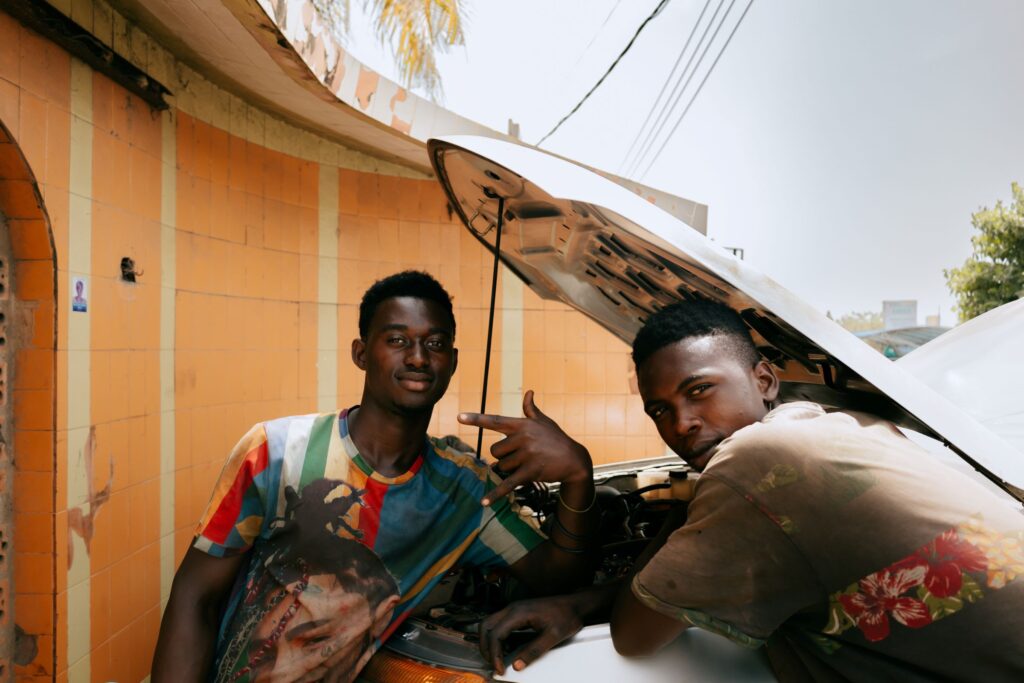
Image Credit: Rachel Saeidu for Art Basel
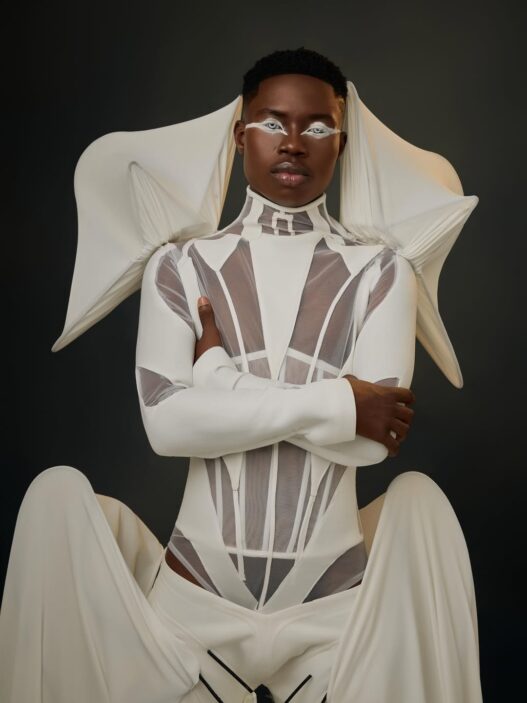
Cultural power today is partly about storytelling, it is also about experience design. This is where Accra has become a serious contender.
Over the last several years, Ghana’s capital has successfully positioned itself as the continent’s premier destination for diaspora tourism. Events such as AfroFuture, Detty Rave and a growing calendar of cultural experiences have transformed December in Accra into a global attraction. And of course, it’s willdy successful Year of Return campaign in 2019 meant that the country was launch perfectly into the 2020s as the HBIC of tourism and the diaspora imagination.
The city’s greatest advantage is perhaps its accessibility. Visitors consistently describe Accra as easier to navigate, easier to enjoy and easier to recommend than many of its regional competitors. While Lagos often overwhelms first-time visitors with its scale and unpredictability, Accra offers a softer landing without sacrificing cultural relevance. For a generation of globally mobile Africans and diaspora returnees, that matters. There is a reason London’s Evening Standard called it the hottest new destination for London creatives.
The danger for Lagos is not that Accra suddenly begins producing more culture. It is that cultural influence increasingly follows people, and right now many of those people are choosing to spend their time and money in Ghana.
Kenya’s Nairobi

Image Credit: Travelling Dane
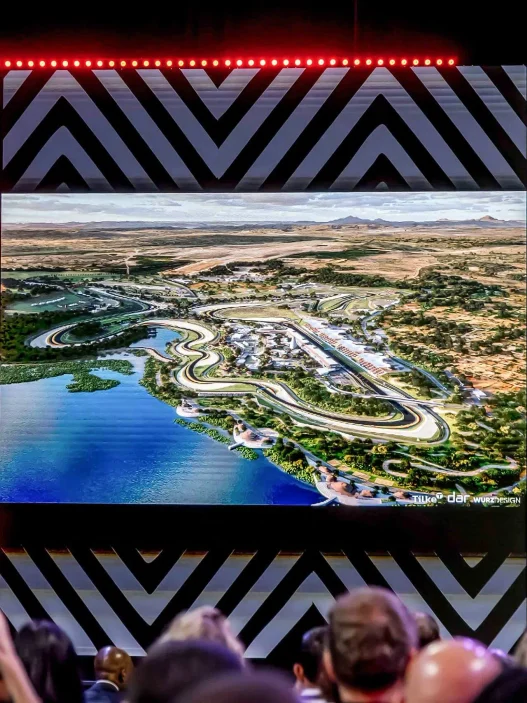
While Lagos dominates contemporary African pop culture, Nairobi increasingly feels aligned with where creative industries are heading. The Kenyan capital sits at the intersection of technology, design, sustainability, fashion and entrepreneurship. It combines the infrastructure of an international city with a rapidly expanding creative class and the result is that it is creating fertile ground for cross-disciplinary innovation.
Nairobi’s position as a diplomatic and NGO hub also brings advantages that many African cities cannot easily replicate. International organisations, development agencies and global institutions contribute funding, mobility and visibility that often flow directly into the city’s creative sectors. The result is a cultural ecosystem that feels distinctly future-facing.
Where Lagos has traditionally excelled at generating trends, Nairobi appears increasingly adept at building systems. Its growing design culture, photography scene and creative entrepreneurship networks are attracting exactly the kind of globally connected talent shaping the next generation of cultural industries.
It may not yet have Lagos’ cultural volume, but it is rapidly developing cultural velocity. And it is clear this is where the workers who will determine our future will come to.
The Full Gist
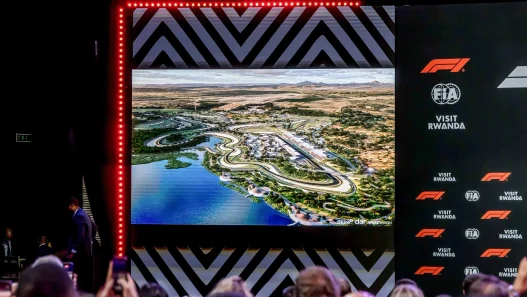
A decade ago, Lagos dominated nearly every major conversation at once. Music, fashion, nightlife, youth culture, internet discourse, film and diaspora imagination all seemed to orbit the city. Today, influence is spreading. Johannesburg is becoming a centre for music infrastructure and nightlife. Dakar continues to command respect within contemporary art and intellectual circles. Accra has positioned itself as the capital of diaspora tourism. Nairobi is emerging as a hub for future-facing creativity and innovation. Cape Town increasingly dominates global lifestyle aesthetics, while Kigali has successfully built a reputation around premium, modern African branding.
In other words, Africa’s creative future may not belong to a single city.
That does not mean Lagos is losing. The city remains the continent’s most prolific cultural exporter and arguably its most influential creative force. But its dominance is no longer uncontested. While for years, Lagos has run on intensity, improvisation and sheer creative output and while those qualities remain its superpower as Africa’s cultural economy matures, influence will increasingly be shaped not only by what cities create, but by the ecosystems they build around creativity.
The race for Africa’s cultural crown is no longer a one-city contest. And for the first time in a long time, Lagos has genuine competition.