







Image Credit: JEAN BAPTISTE NKURUNZIZA / AFP via Getty Images
Imagine Formula 1 cars roaring around an African circuit, thousands of fans filling the grandstands, and the world’s biggest motorsport stars competing on the continent for the first time in more than three decades. For a continent that has produced extraordinary sporting talent but remained absent from the Formula 1 calendar for years, it could be a defining moment.
But Africa is not new to Formula 1. The continent has been part of the championship’s history since its early years. Now, with Rwanda emerging as a potential host, the sport is looking to reconnect with a history that has been on pause since 1993.
A quick history lesson: Formula 1 in Africa
1958: Morocco makes history
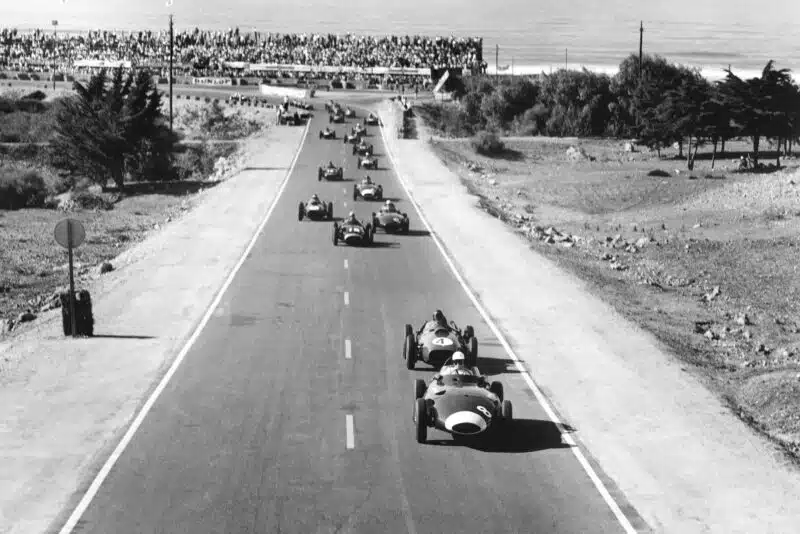
Image Credit: Motor Sport Magazine
The Moroccan Grand Prix at Ain-Diab, near Casablanca, became the first and, to date, only Formula 1 World Championship race held in Morocco. Britain’s Stirling Moss won the race, but the occasion was also marked by tragedy. British driver Stuart Lewis-Evans suffered fatal injuries following a crash, casting a shadow over the championship’s final race of the season.
1960–1993: South Africa’s Formula 1 era
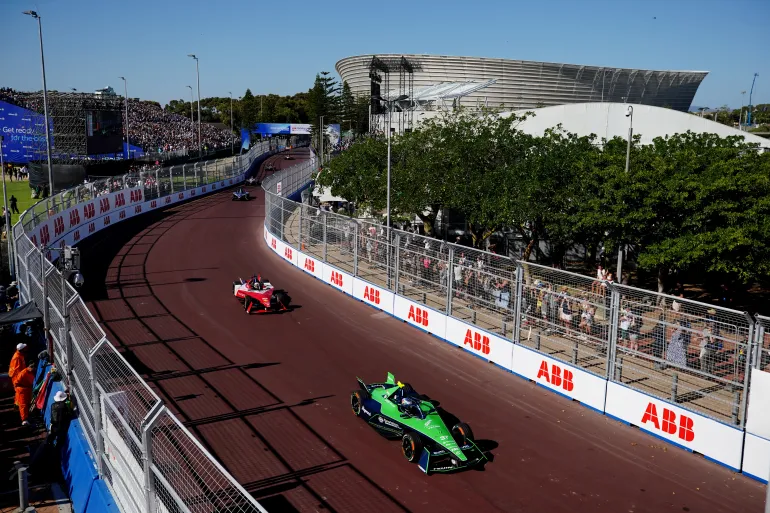
Image Credit: [Juda Ngwenya/Reuters]
South Africa became the continent’s principal Formula 1 destination, hosting 23 World Championship Grands Prix. The Kyalami circuit, outside Johannesburg, was the sport’s most prominent African venue, attracting some of its biggest names over the decades.
But the country’s place on the calendar was complicated by its apartheid-era politics, which led to Formula 1’s withdrawal after the 1985 race before its eventual return in 1992. The 1993 South African Grand Prix, won by French driver Alain Prost, remains the last Formula 1 World Championship race held on African soil.
More than 30 years later, that absence could finally come to an end.
What is Rwanda building?
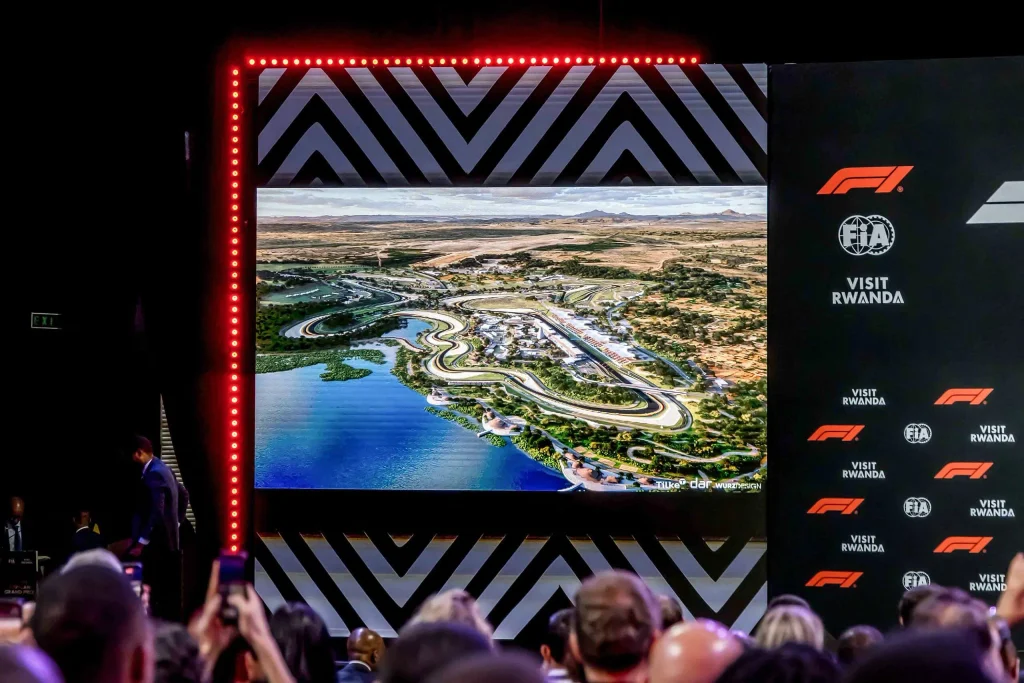
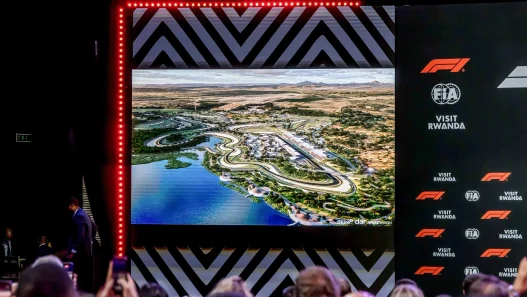
Image Credit: Jean Baptiste Nkurunziza / AFP via Getty Images
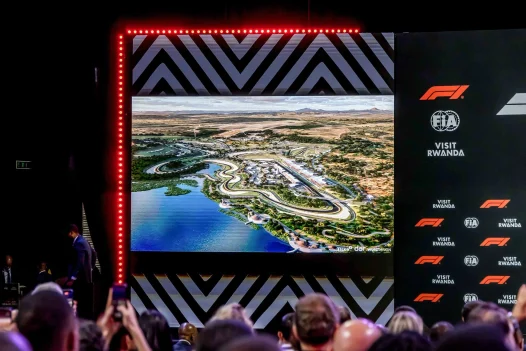
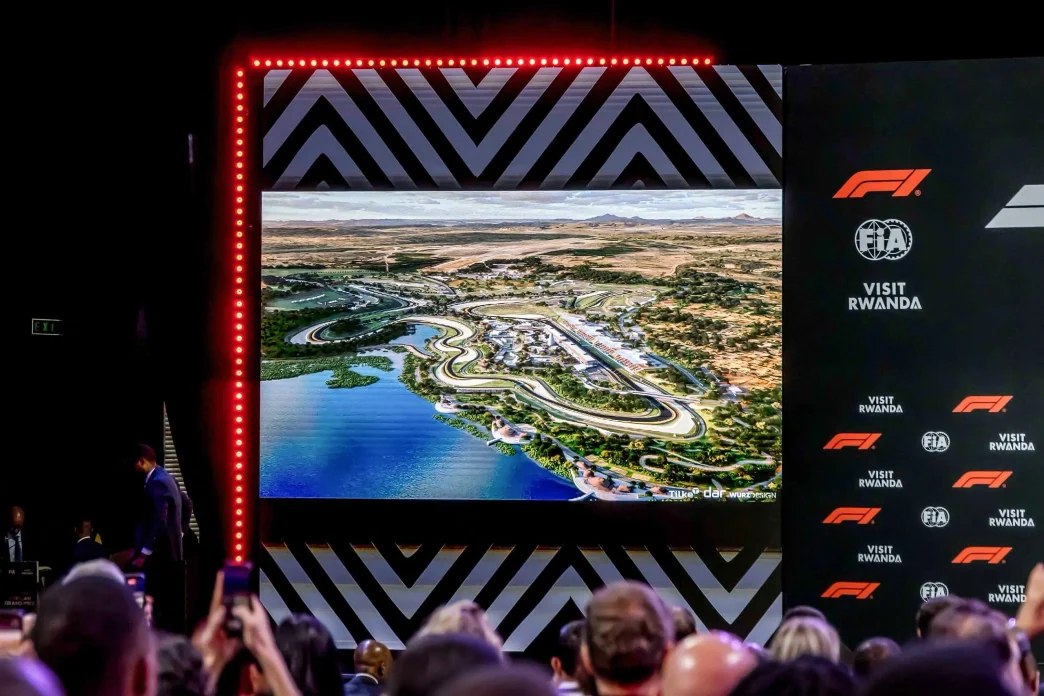
Rwanda’s proposed Formula 1 circuit is planned for Bugesera, approximately 40 kilometres south of Kigali and near the new Kigali International Airport. The project is being developed with Tilke Engineers & Architects and Wurz Design, the firm founded by former Formula 1 driver Alexander Wurz, with the goal of meeting the FIA’s Grade 1 certification requirements for hosting a Grand Prix.
The proposed layout is approximately six kilometres long, with 17 corners and around 197 metres of elevation change per lap. Designed around the area’s natural hills and lake scenery, the circuit is intended to offer a more varied driving challenge than a flat, conventional track.
The final layout is yet to be confirmed, and construction and certification will be crucial to bringing the project to fruition.
There is also an important distinction between the announcement and the actual race. While Rwanda has positioned itself as a prospective host, the first Grand Prix date has not been confirmed. The event is expected in the early 2030s, subject to the circuit’s completion and the necessary approvals.
More than a race
Formula 1’s return to Africa would mean more than adding another destination to an already global calendar. It would reconnect the championship with a continent that has hosted historic races, cultivated passionate motorsport fans and remained absent from the World Championship for more than three decades.
For Rwanda, the opportunity extends beyond the spectacle. A successful Grand Prix could bring international tourism, investment, jobs and technical expertise, while creating new pathways into motorsport for young Africans. But those benefits will depend on how the project is developed, who gains access to its opportunities and whether its impact extends beyond race weekend.
There is also a bigger question about what Africa’s place in Formula 1 should look like. Hosting a Grand Prix would put the continent back on the map, but representation should not end with a circuit, a flag on the calendar or a weekend of celebrity appearances. It should also mean building the infrastructure, training programmes and commercial opportunities that allow Africans to participate in the sport as drivers, engineers, mechanics and decision-makers.
After more than 30 years away, Formula 1’s potential return to Africa is an opportunity to reopen a chapter in the sport’s history. Rwanda could be the starting point, but the real measure of success will be what the continent gains long after the chequered flag falls.
Because the biggest victory would not simply be bringing Formula 1 back to Africa. It would be giving the next generation of Africans a meaningful chance to shape the sport’s future.