








The last 24 hours have not been one of the best for European football. It all feels like another reminder that football’s old hierarchy is fading. Traditional giants can no longer rely on history or reputation.
If Germany and the Netherlands can both be knocked out within hours of each other, every remaining favourite from France to England, Spain, Argentina and Brazil has been put on notice.
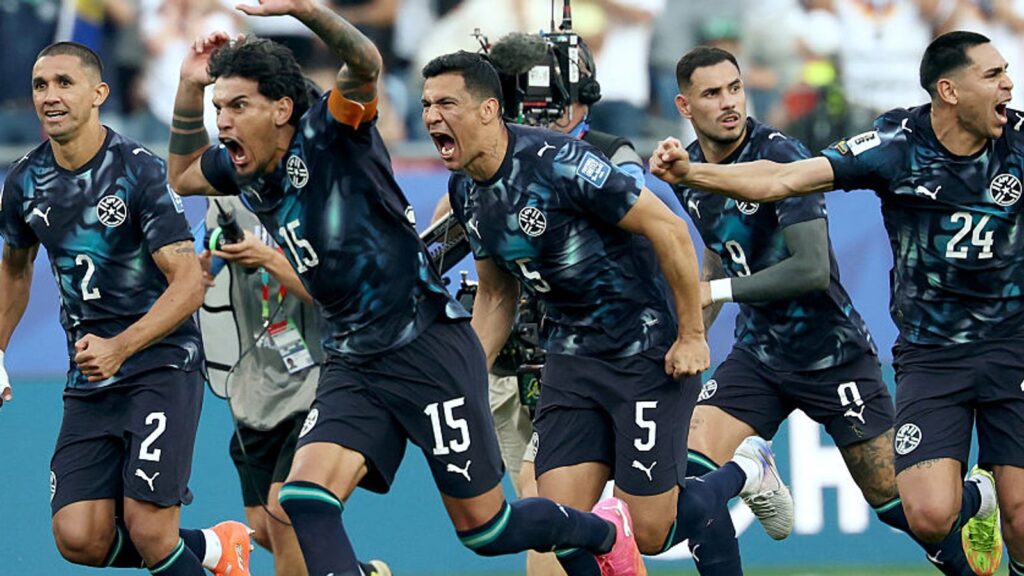
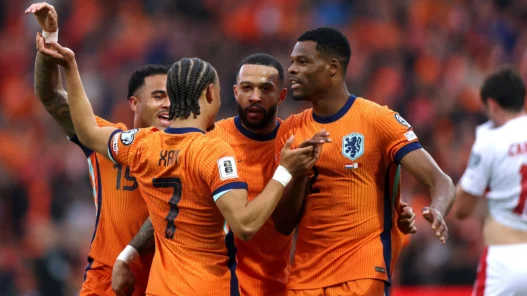
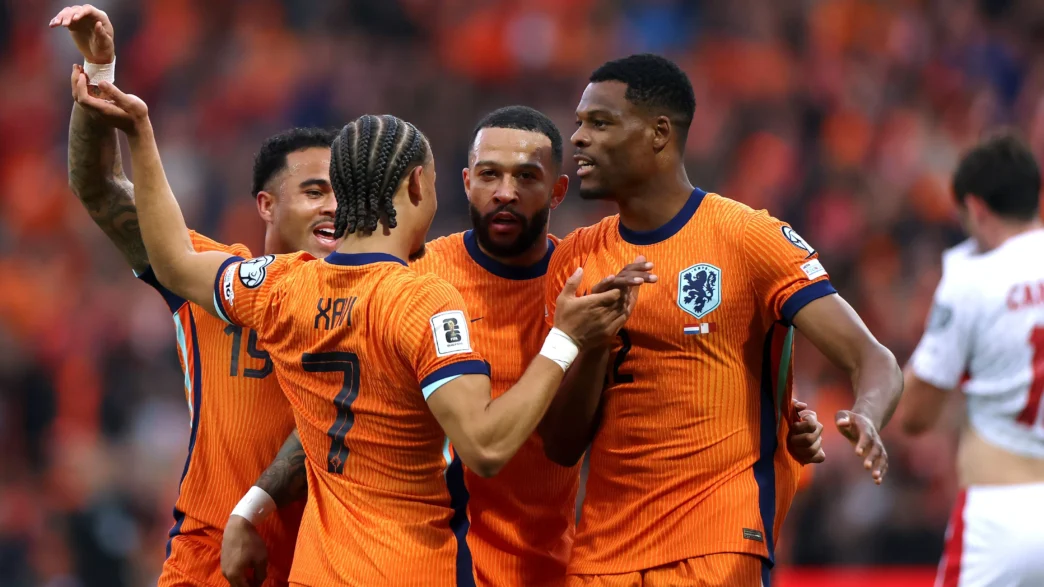
Germany and the Netherlands, nations with a combined five FIFA World Cup titles and decades of footballing excellence, were both eliminated from the 2026 FIFA World Cup in dramatic penalty shootouts. Germany fell to Paraguay after a 1-1 draw, while Morocco stunned the Netherlands in another tense 1-1 encounter before prevailing from the spot.
On the surface, it’s one of the biggest shocks of the tournament so far. But when you look a little deeper, perhaps it isn’t as surprising as it first appears.
For Germany, this latest exit continues an uncomfortable trend. Since lifting the World Cup in 2014, the Germans have struggled to recapture the aura that once made them tournament specialists.
Early exits in the group stage at Russia 2018 & Qatar 2022 have ramped up a disappointing campaign that has become more common, and while they showed flashes of quality in this tournament, they never looked like the ruthless Germany of old. Losing on penalties may feel cruel, but their elimination reflects a broader decline that has been building for years.
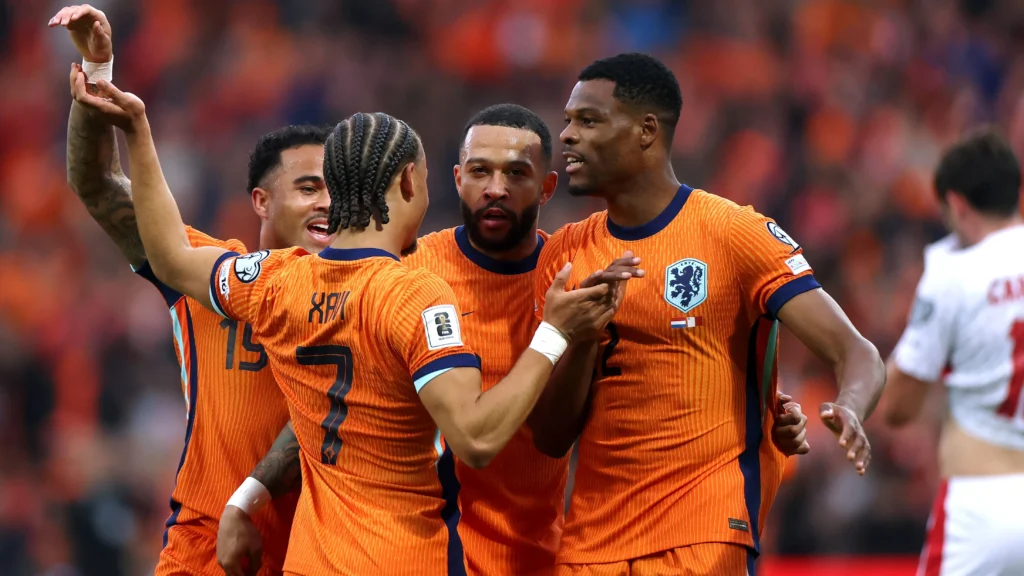
For the Netherlands, their departure carries a similar lesson. The Dutch have consistently produced talented squads and remain one of Europe’s football powerhouses. They arrived at this World Cup with questions over whether they could turn possession into dominance against elite opposition. Those concerns resurfaced against Morocco. After taking the lead, they failed to kill off the contest, allowed Morocco back into the game, and ultimately paid the price in the shootout.
The biggest takeaway isn’t that Germany and the Netherlands are out. It’s who beat them.
Paraguay and Morocco are no longer teams that simply hope to compete. They believe they belong. Paraguay defended with discipline, remained composed under pressure and showed remarkable nerve from the penalty spot. Morocco, meanwhile, continues to prove that their remarkable rise over recent years is no accident. Their run to the semi-finals in 2022 changed perceptions, and this latest victory confirms they are now one of the world’s most dangerous tournament teams.
The bigger message is clear: reputation doesn’t win World Cup matches anymore.
The 2026 World Cup is becoming a tournament defined by unpredictability. Smaller nations are playing without fear, established powers are finding every match a battle, and every knockout fixture now feels capable of producing another upset.