






It might seem like the concept of being a multi-hyphenate creative was invented recently, but long before influencers and internet creatives started calling themselves that, actors from Nigeria’s movie industry were already doing exactly that. Back then, it wasn’t unusual for the biggest stars in Nollywood to casually drop a full-length album or sign a record deal. Over the years, these actor-slash-singers gave us some memorable hits — and of course some not-so-memorable ones too. But now that celebrity crossovers like this are far less common, it’s hard not to feel nostalgic about that particular era in Nigerian pop culture. So here are five Nollywood actors who pursued music careers at some point.
Tonto Dikeh
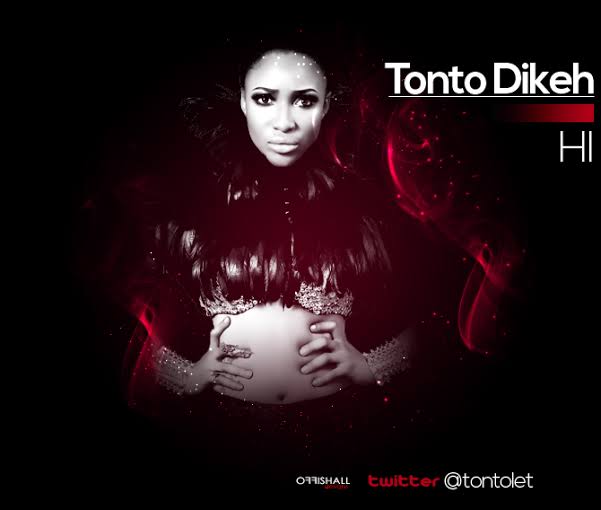
Tonto Dikeh took Nollywood by storm. Her arrival as a talented and beautiful ingénue meant she was everywhere you turned, playing romantic leads, campus baddies, and just about every role in between. At the peak of her popularity, she ventured into music in 2013 with the release of two singles, “Hi” and “Itz Ova.” It didn’t stop there either — in 2014, D’banj signed Tonto to his label, DB Records.
While her stint there didn’t last very long, what made Tonto’s transition fascinating was how deeply it reflected the rise of social media celebrity in Nigeria. Her music wasn’t polished in the traditional industry sense, but it was bold, chaotic, meme-able, and culturally loud: all qualities that increasingly defined online fame in the 2010s.
Genevieve Nnaji
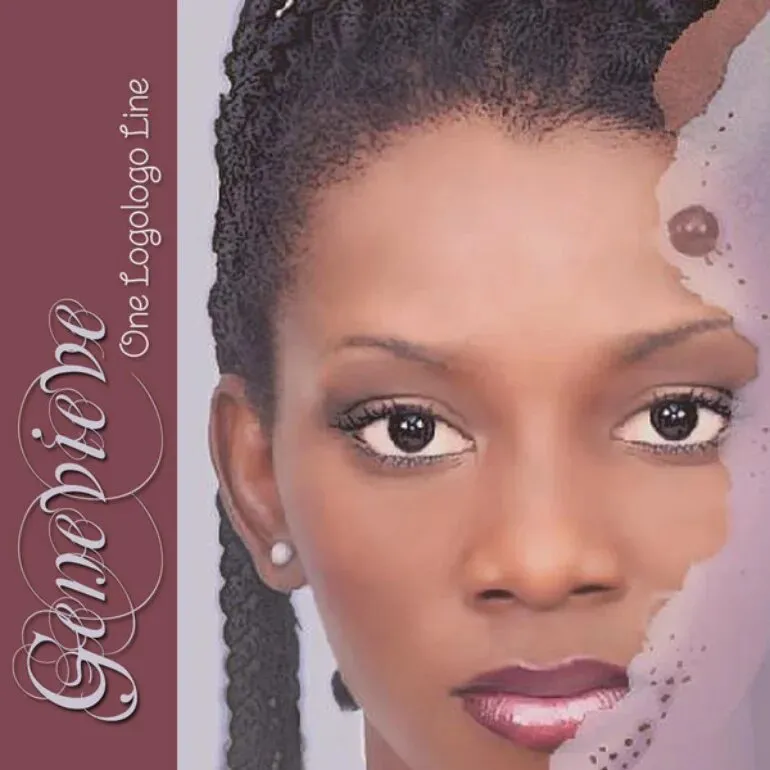
There’s a very high chance you clicked on this list expecting to see Genevieve Nnaji. The screen goddess has been a permanent fixture in Nigerian pop culture for decades and is particularly known for her work as one of Nollywood’s original screen icons, the “Nigerian Sharon Stone,” and of course the critically acclaimed Lionheart as well as others.
But Genevieve Nnaji was also once a pop star. In 2004, she released a full-length album titled One Logologo Line, which featured the fairly popular lead single “No More.” While the album arrived during the peak of her acting fame, Nnaji never fully pursued music afterwards and has since settled comfortably into her status as one of Nigeria’s premier screen icons.
Patience Ozokwo
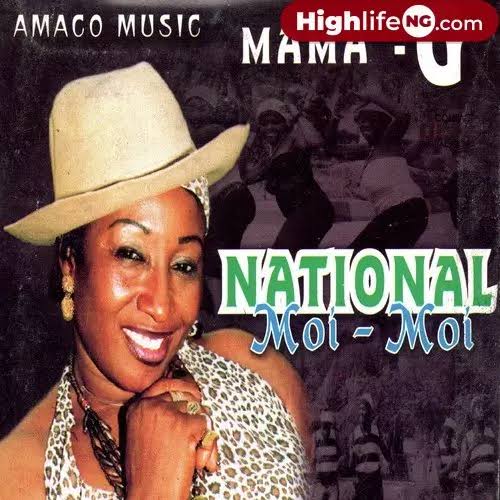
One of the most recognisable names and faces to ever emerge from Nollywood, Patience Ozokwo made being typecast look incredibly fun. Her many performances as wicked stepmothers, strict matriarchs, and unforgettable villains never got old, eventually cementing her as one of the greatest onscreen antagonists in Nigerian film history.
That said, Patience Ozokwo’s alter ego, Mama G, took on a life of its own when she released a full-length album titled Mama G. The project featured songs like the titular track and “National Moi Moi,” among others. The album also came with several iconic music videos packed with choreography, humour, and celebrity cameos — including a bright-faced young Tonto Dikeh. Unlike many celebrity music experiments of the era, Mama G was genuinely popular and is still remembered fondly today.
Nkem Owoh
Much like Patience Ozokwo’s Mama G persona, Nkem Owoh created music heavily inspired by his iconic Osuofia character from the beloved Osuofia film series. You definitely know songs like “I Go Chop Your Dollar” and “Know Me When I’m Poor.”
Across these tracks, Owoh used comedy to examine themes like immigration, fraud culture, transactional relationships, and poverty. While the music maintained his signature comedic flair, it also doubled as a surprisingly sharp reflection of Nigerian social realities at the time.
Segun Arinze
Unlike many others on this list, Segun Arinze actually began as a singer — not the other way around. Before fully establishing himself as one of Nollywood’s most respected veteran actors, Arinze was already involved in music and performance.
His famous soundtrack contribution, “Nwanyi Oma,” became deeply associated with Nollywood’s golden era and remains one of the most recognisable songs tied to classic Nigerian cinema. His career serves as a reminder that, in the early days of Nollywood, entertainers often moved fluidly between acting, singing, and stage performance.