








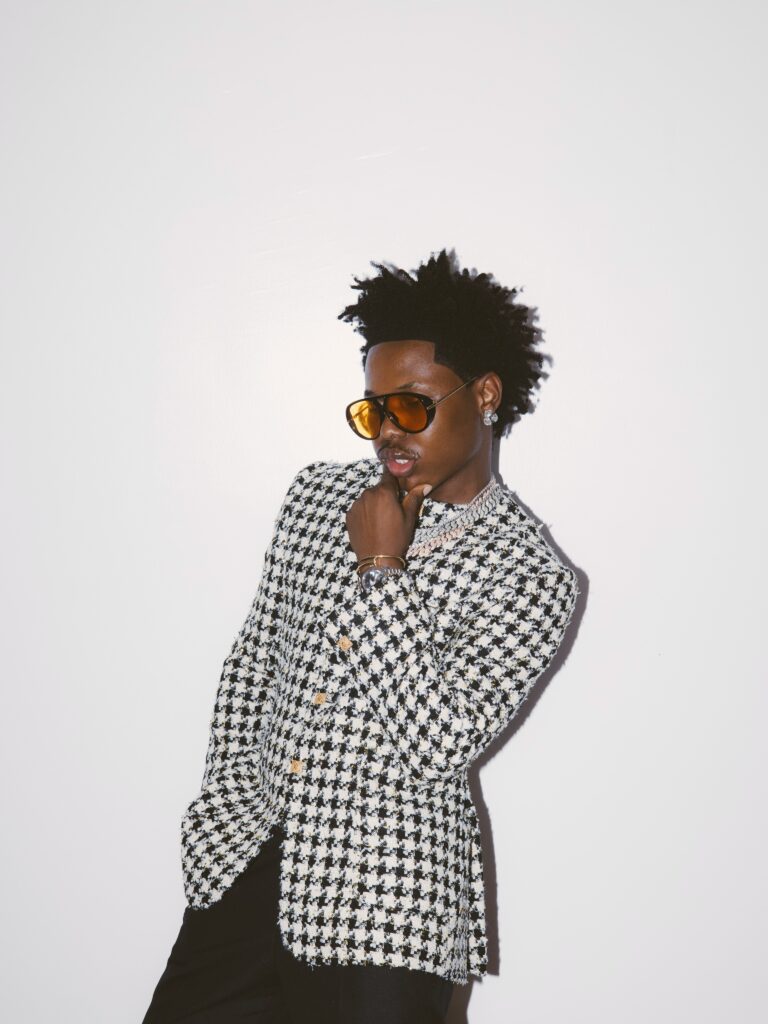
Have you noticed that there is a new wave of artists dominating your social media feed? I don’t mean the Big Three (or Five), depending on where you stand on that little bit of discourse. I also don’t mean the old Afrobeats giants you have been listening to for a couple of years and have forgotten about. These are brand-new stars whom you likely discovered a couple of months ago when a friend retweeted them onto your timeline.
These are people who seem to be Gen Z—or at least Gen Z-coded—in their style, expression and, most importantly, their sound. It’s a new generation of artists blending indie pop, R&B, alté, house, amapiano, soul and electronic music into distinctly Nigerian sounds.
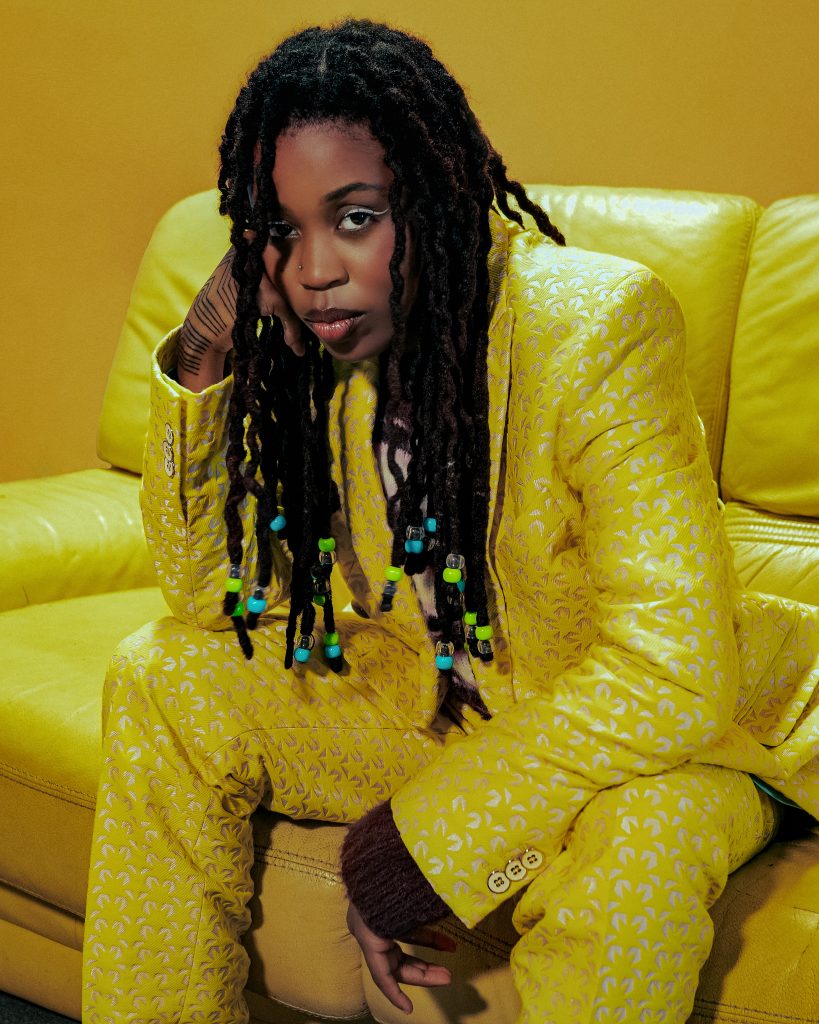
This isn’t entirely new. Artists like Tay Iwar and Lady Donli have been doing exactly that. Yet, for more than a decade, Afrobeats has been defined by scale. Bigger tours. Bigger streaming numbers. Bigger collaborations. Bigger ambitions. The genre that once fought for international recognition now dominates festival lineups, luxury brand campaigns and the Billboard charts. Success has become measurable: arena shows, chart positions, TikTok sounds and Spotify milestones. But somewhere along the way, something quieter started happening. It slowly became a primary means of expression and, clearly, the place from which this new wave of superstars is emerging.
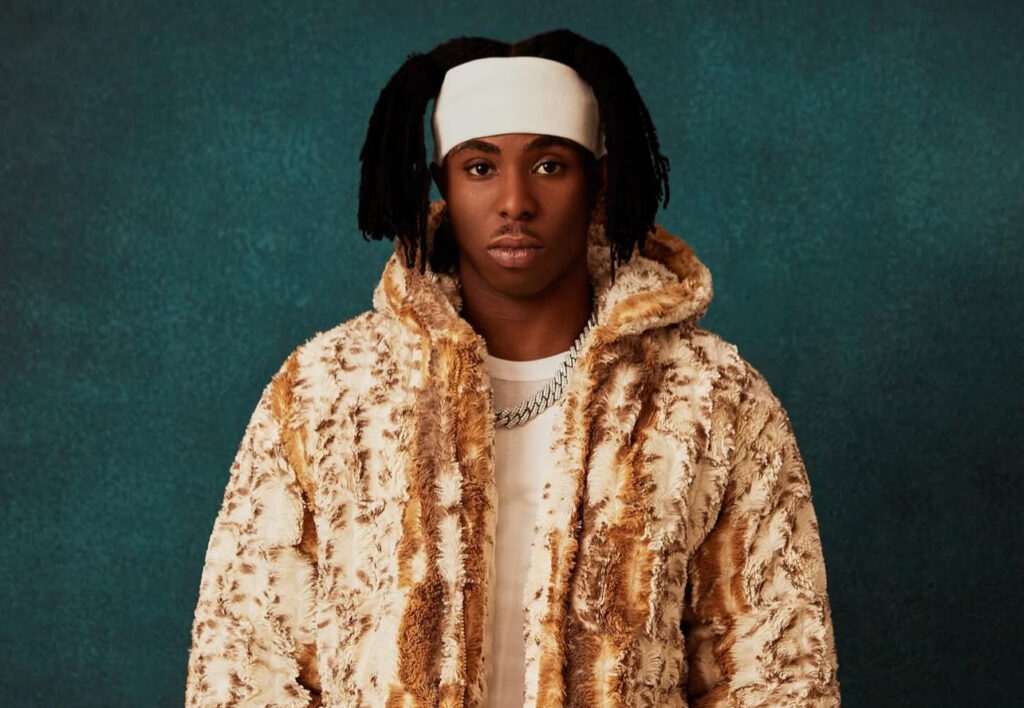
The result? The most exciting wave isn’t just “Afrobeats” anymore. Artists like Tim Lyre, Eli Jae, Somadina, Kold AF, Strei, Juno, Kunmie and FOLA are pushing the scene in fresh directions while still drawing from Afropop traditions. The songs are slower. The production is more experimental. The songwriting is more vulnerable. They aren’t necessarily aiming for the biggest audience—they’re finding their audience.
It feels… strangely familiar.
Because what we’re witnessing may be Afrobeats’ indie era.
Every major music movement eventually splits into two paths.
Where one becomes increasingly commercial, polishing its edges to reach the widest possible audience, the other moves in the opposite direction, embracing experimentation, intimacy and artistic freedom. Hip-hop had its underground renaissance. Pop has always had its indie counterpart. Even country music has found room for artists who exist outside Nashville’s mainstream machinery. Afrobeats is beginning to experience a similar evolution.
This isn’t a rejection of the mainstream in any way. Artists like Burna Boy, Wizkid, Davido, Tems, Rema and Ayra Starr continue to redefine what global African pop looks like. If anything, their success has created the space for younger artists to take greater creative risks.
Ironically, the more global Afrobeats becomes, the more diverse it becomes.
What began as a relatively recognisable pop formula has evolved into a creative ecosystem.
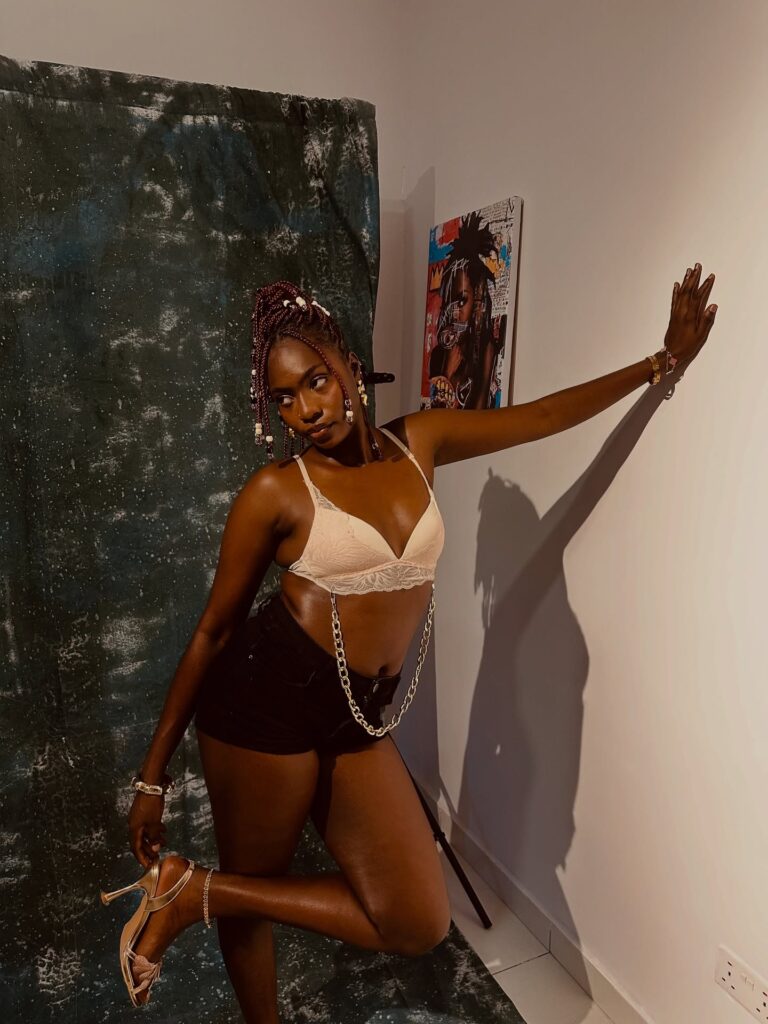
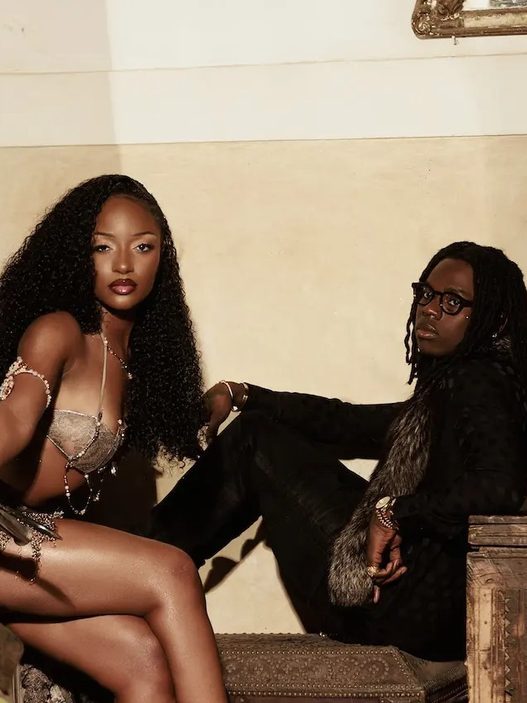
Image Credit: @solana_till
Artists comfortably move between amapiano, indie pop, electronic music, alternative R&B, highlife, soul, Fuji, dancehall and house music without worrying whether the industry considers it “Afrobeats enough.” But what is also very important about this shift is the machinery that has made it possible because this evolution would have been difficult ten years ago.
The old music industry rewarded artists who appealed to everyone. Radio playlists were limited. Television mattered. And, importantly, record labels often dictated what was commercially viable. Today’s artists grow differently, as the power to make superstars has shifted to the people, and digital platforms have given fans and artists the ability to connect directly with one another.
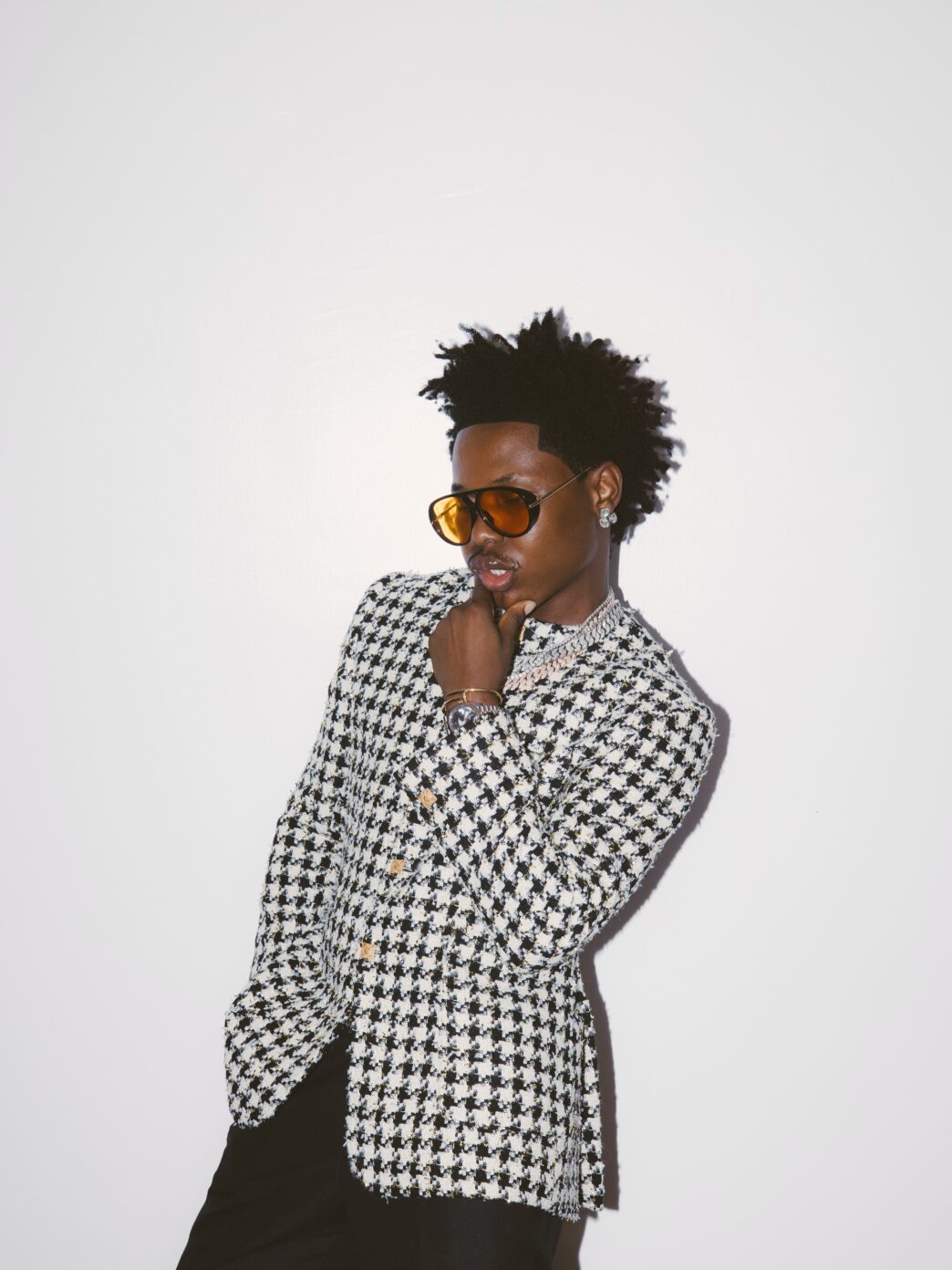
TikTok can make a deeply personal song travel globally overnight. Spotify playlists reward moods as much as genres. Instagram, YouTube and Discord allow artists to build devoted fan communities without dominating traditional media. You no longer need millions of listeners; sometimes you just need fifty thousand people who genuinely care. And that changes the kind of music people feel empowered to make. You see this with artists like Shoday, who has built a direct Gen Z fan base that is deeply tapped into his music and sees him not just as a star, but as one of them.
Calling this an indie era doesn’t mean Afrobeats is abandoning commercial ambition.
Quite the opposite.
This indie era means that the genre has reached a level of global confidence where it no longer has to prove it can make hits. We all know that it already can.
Now, its younger artists seem more interested in asking a different question:
What else can Afrobeats become? What else can the superstars look like? What does connection look like for a genre that has always been about mass connection?
Indie Afrobeats will tell us.