


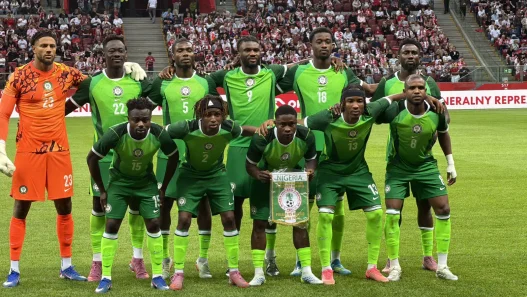







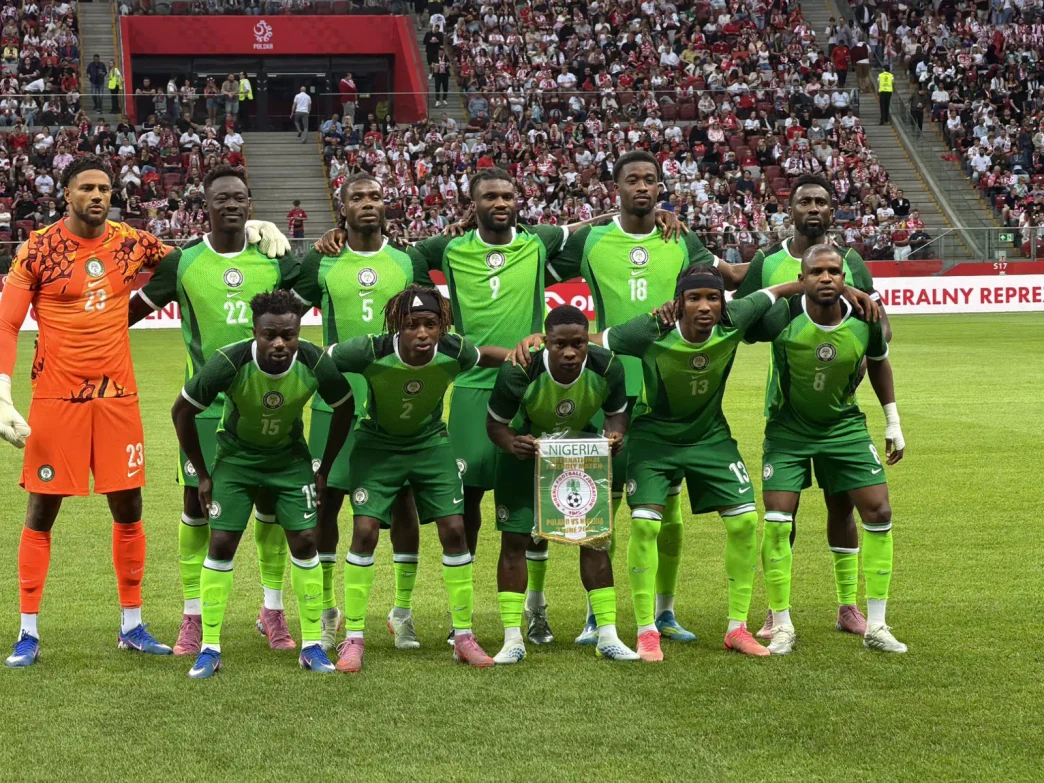
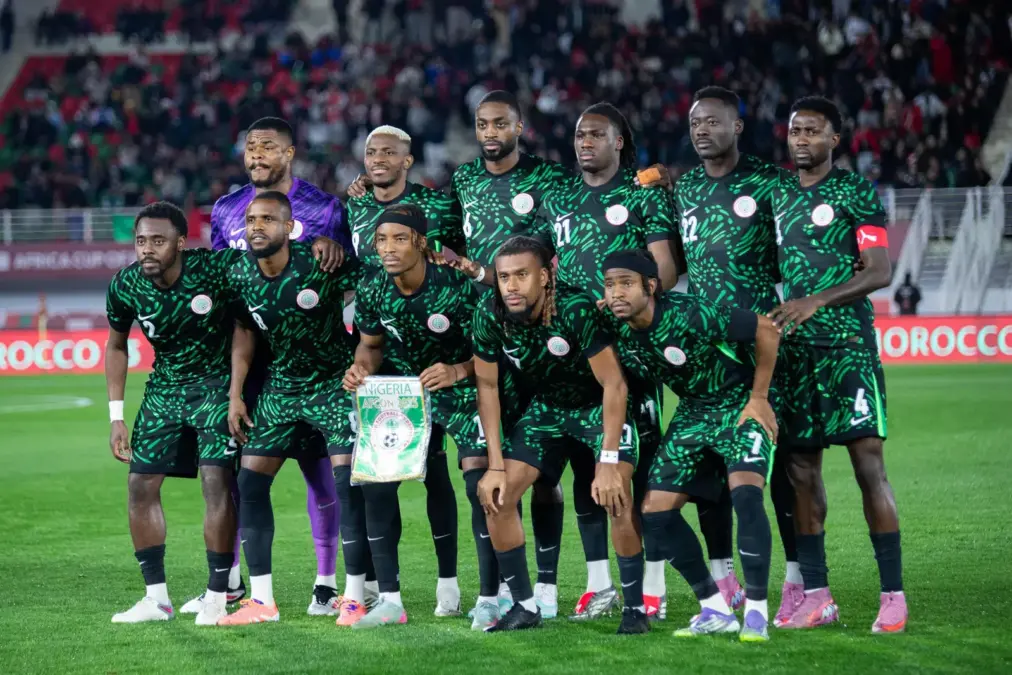
The Super Eagles didn’t just drop points against Tanzania; they have turned an entire country into a mathematics class. One minute, Nigerians were debating football. The next, everybody was calculating points, checking goal differences and praying that Tanzania would do the country a favour. Even people who haven’t touched a calculator since WAEC are suddenly experts in AFCON qualification permutations.
Nigeria have turned what should have been a straightforward qualification campaign into a national arithmetic exercise. And the worst part? We still have two games to go.
Tuesday’s goalless draw against Tanzania has left the Super Eagles with more work to do in their bid to qualify for the 2027 Africa Cup of Nations. Suddenly, football fans are studying group tables, comparing points and asking questions they probably haven’t asked since secondary school.
The Super Eagles currently have seven points from four matches, sitting three points behind Guinea-Bissau, who lead Group L with 10 points. Madagascar and Tanzania have two points each, although Tanzania have already secured their place at AFCON 2027 as co-hosts. That leaves just one qualification ticket available from the group, and Nigeria are in a race they really should have made easier for themselves.
So, how do the Super Eagles get out of this mathematical wahala?
First, beat Madagascar.
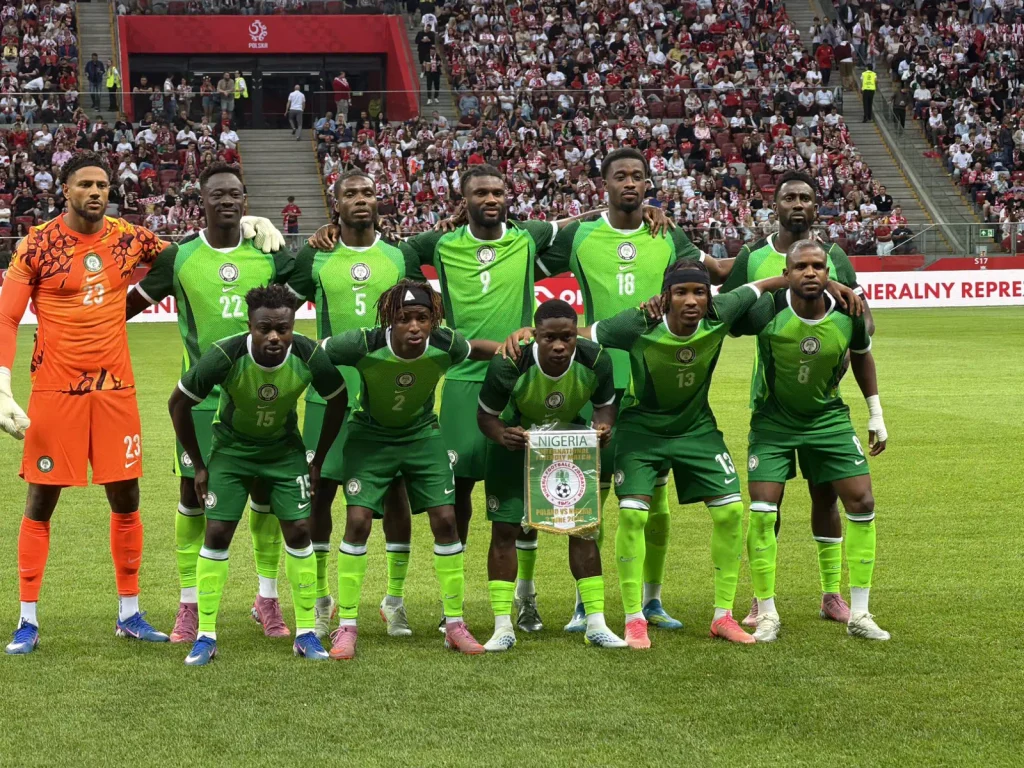
Nigeria’s next assignment is against Madagascar on March 24, 2027. Three points would take the Eagles from seven to 10, giving them a much-needed boost ahead of the final game. Anything less would make the situation even more uncomfortable.
Then comes the big one: Guinea-Bissau.
Nigeria face Guinea-Bissau on March 28, and that match could decide everything. A victory would take the Super Eagles to 13 points, provided they have already beaten Madagascar. But there is a catch: Guinea-Bissau currently have 10 points and could also reach 13 if they beat Tanzania before facing Nigeria.
And that is where the calculators will really start working.
Nigeria lost the first meeting with Guinea-Bissau 3–0. So, if both teams finish level on points, the head-to-head record could prove decisive. Nigeria would need to overturn that deficit by winning the return fixture by at least four goals to establish a superior head-to-head goal difference. A three-goal victory would leave the head-to-head goal difference level, bringing the subsequent tie-breaking criteria into play.
However, Nigerians will be watching another result closely. Guinea-Bissau face Tanzania on March 24. If the already-qualified co-hosts take points off Guinea-Bissau, Nigeria’s job becomes considerably easier.
For instance, if Guinea-Bissau draw with Tanzania, they would move to 11 points. Nigeria could then beat Madagascar and Guinea-Bissau to finish on 13 points and qualify without needing to overturn the earlier goal difference deficit.
Even a draw against Madagascar could leave Nigeria with a route to qualification, provided they beat Guinea-Bissau and other results fall in their favour. Losing to Madagascar, however, would leave the Eagles needing considerably more help.
The message is simple: win the remaining matches and stop relying on others’ generosity. Nigeria have made this harder than it needed to be, and the players now have two games to put things right.
For now, Nigerians can forget being just football supporters. We are back to adding three points, subtracting goal differences, checking head-to-head records and monitoring Tanzania’s performance like our lives depend on it.
All because the Super Eagles couldn’t just finish the job.