






There is a kind of pain in football, not the pain of being outclassed. Not the pain of losing 4-0 to a team that was better.
The pain of walking off the pitch knowing the game was yours, but you lost it.
That is the story of Africa’s World Cup over the last few days.
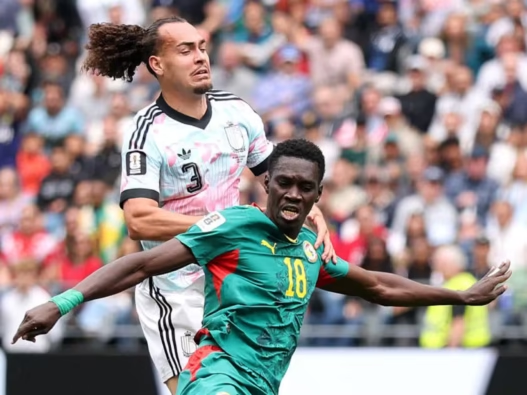
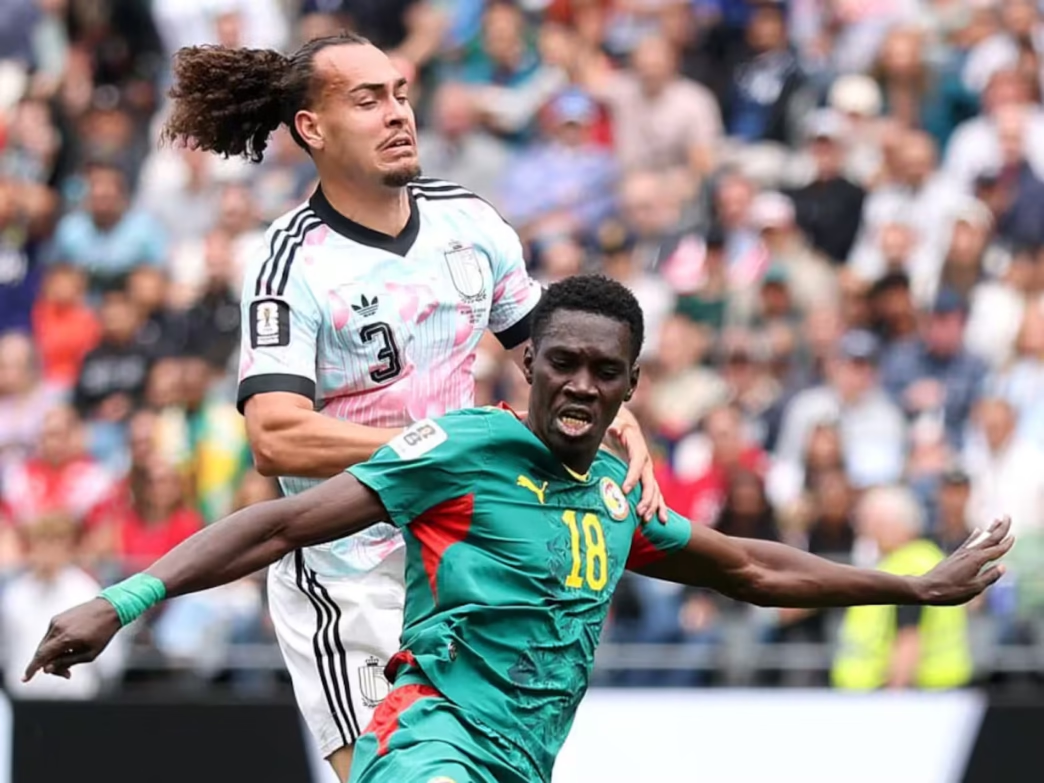
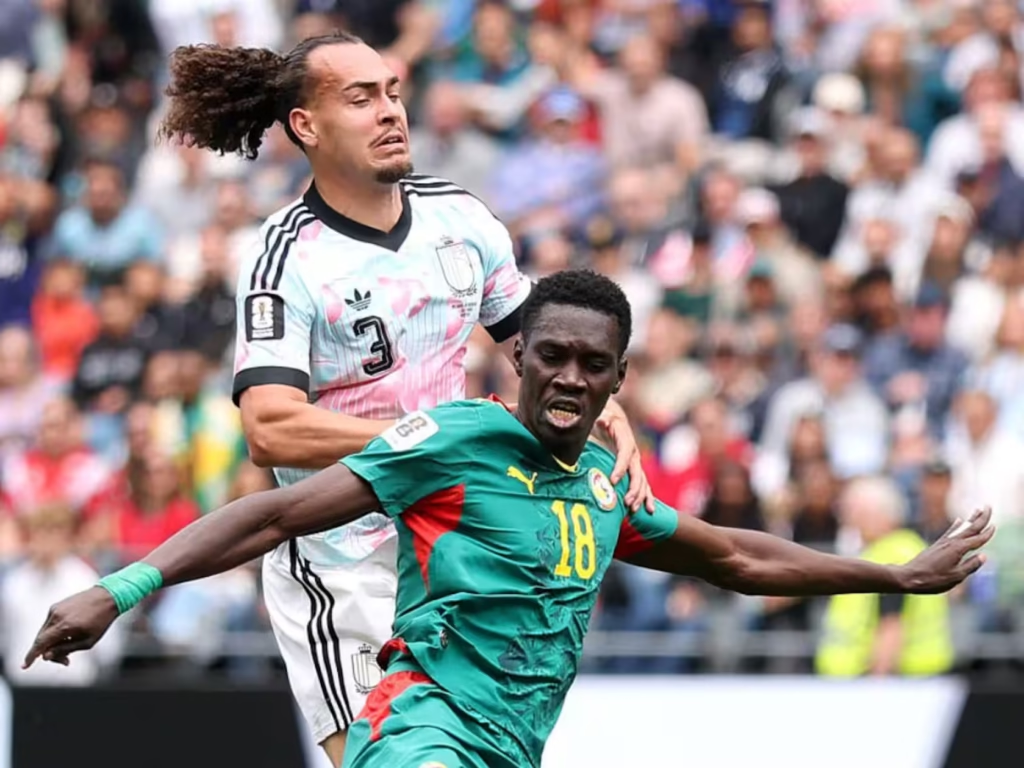
Senegal had Belgium exactly where they wanted them—two goals up, looking set for a famous victory. Then everything changed. Belgium sensed uncertainty, grabbed a goal, then another, and before Senegal could regain their composure, the opportunity had slipped away. A stoppage-time penalty completed a stunning comeback.
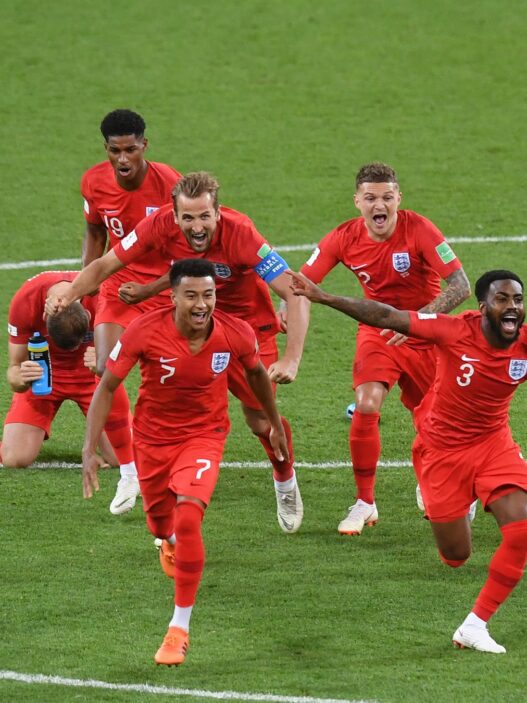
Less than 24 hours earlier, DR Congo had given England an almighty scare. Scoring first against one of the tournament favourites was no fluke. They defended with courage, attacked with purpose and looked capable of causing one of the shocks of the competition. But England stayed patient, waited for their moment and punished every lapse.
Ivory Coast suffered a similar fate. They worked so hard to get back into the game against Norway, drawing level when it mattered most. Instead of using that momentum to push on, they allowed Norway back into the contest and paid the price.
Three different matches.
Three different opponents.
The same ending.
For years, people questioned whether African teams had enough quality to compete with the traditional football powers. This tournament has answered that question. They do.
The problem lies elsewhere.
The biggest teams in the world know how to survive difficult moments. When they are under pressure, they slow the game down. They manage the clock. They frustrate opponents. They know when to attack and, just as importantly, when not to.
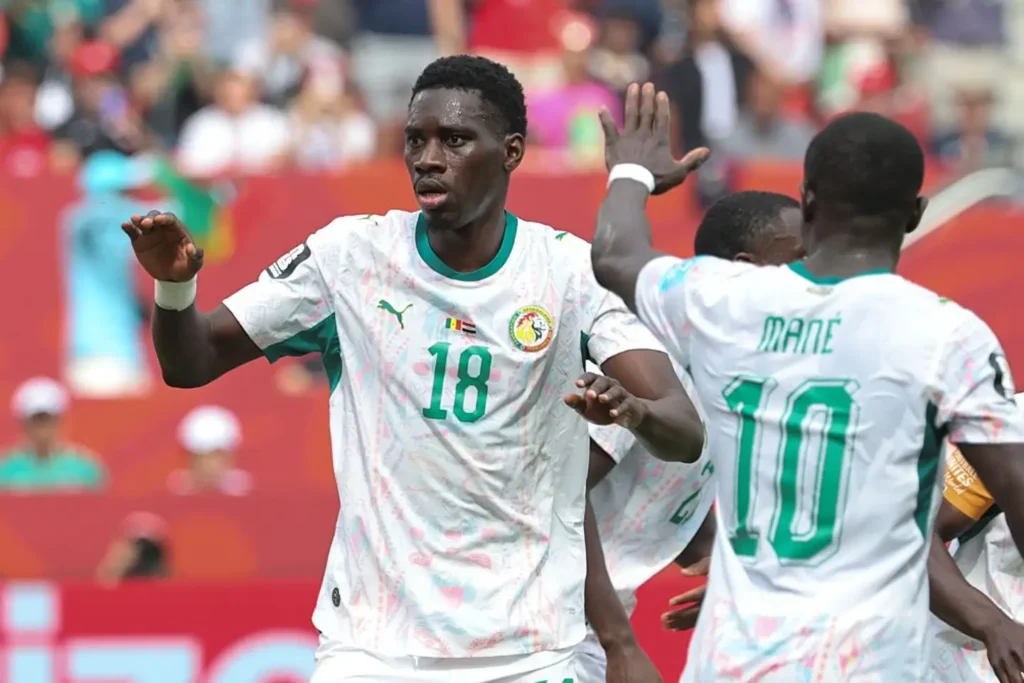
Senegal was in complete control. DR Congo had England exactly where they wanted them. Ivory Coast had fought back in their match.
These were not impossible situations.
They were winning positions.
The quality is no longer in question. This World Cup has shown that African teams can go toe-to-toe with some of the biggest names in world football. They are organised, technically gifted and fearless.
But knockout football is often decided by something less obvious.
Can you stay calm when momentum shifts? Can you hold the mentality to finish games when your opponent is desperate? Can you recognise the moment to chase another goal or sit back?
The world’s best teams have mastered those moments. They don’t just play football; they manage football.
At this level, the difference between going home and making history isn’t always talent.
Sometimes it’s the mentality to finish what you started.