









A single interview comment has sent Nigerian social media back to an argument it has never settled: who were the leading actresses of Nollywood’s golden era? The latest round began when veteran actress Stella Damasus spoke to Pulse TV about her rise in the industry and the competition among its female stars.
- STELLA DAMASUS
Stella Damasus began her acting career in the 1990s and became widely known through films such as Breaking Point, Real Love, Behind Closed Doors, Dangerous Twins and The Widow. She earned Best Actress nominations at the Africa Movie Academy Awards in 2006 and 2008. Beyond acting, she is co-founder of I2radio and hosts podcast shows including Undiluted with Stella Damasus. She is the centre of the current debate because of her Pulse TV interview.
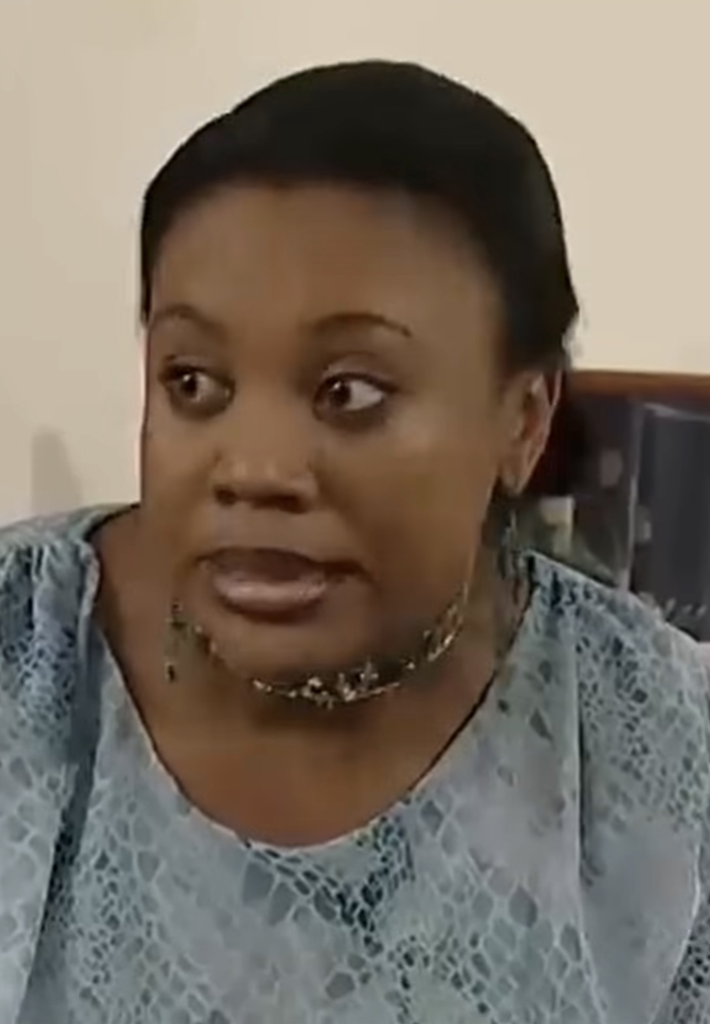
Damasus recalled the period when she, Omotola Jalade-Ekeinde and Genevieve Nnaji were regarded as the “Big Three” of the Nigerian film industry. She credited their standing to authenticity, saying they did not copy anyone else or chase fame and money. She also noted that their popularity grew at a time when social media did not exist to measure their reach. Her account was also candid about the pressure involved. She said the rivalry brought many comparisons, with fans loving one actress more than the others, and that each of them had to keep proving herself because nobody wanted to be the weakest. In her telling, the label was a memory of how audiences saw the three of them, and she did not present it as an official ranking.
2. GENEIEVE NNAJI
Genevieve Nnaji was born on 3 May 1979 in Imo State and began her career as a child actor. She won the AMAA award for Best Actress in a Leading Role in 2005 and became a major commercial name, having been voted the face of Lux in 2004 and named one of Nollywood’s highest-paid female actors in 2009. She later moved into production, with her first produced film arriving in 2015, and she is also known as a women’s activist.
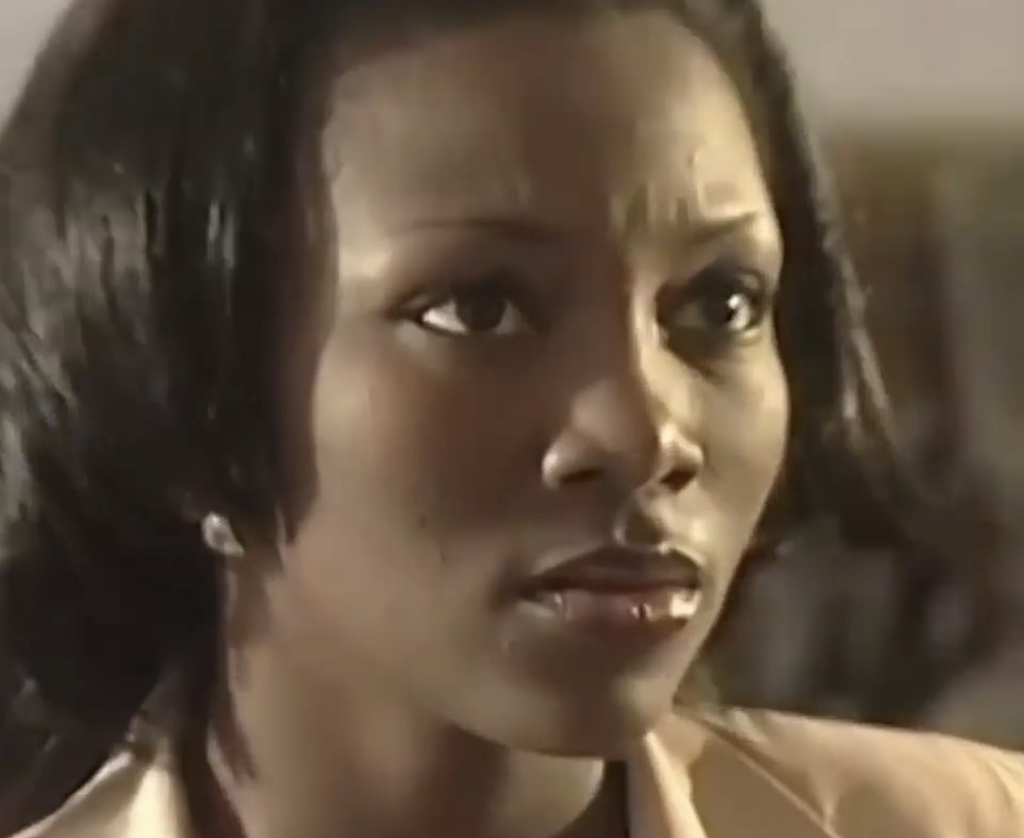
Many people online did not accept it. Her declaration did not sit well with a number of commenters, some of whom dismissed the idea of a “Big 3” entirely. Others accepted that such a group existed but disputed its membership. One commenter argued that the trio would have been Genevieve, Omotola and Rita Dominic. The Stephanie Okereke argument comes from the same camp. It holds that her name belongs in the top tier, either in place of Damasus or beside her.
3. OMOTOLA JALADE-EKEINDE
Omotola Jalade-Ekeinde is one of the most recognisable faces of Nollywood’s golden era. She appeared with in films such as Market Seller and Games Women Play, and with Stella and Rita Dominic in Yankee Girls. Like Stella and Genevieve, she was among the group of actors known as the G8, who were banned in 2004 for charging excessively high fees. She is also known as a singer and filmmaker.
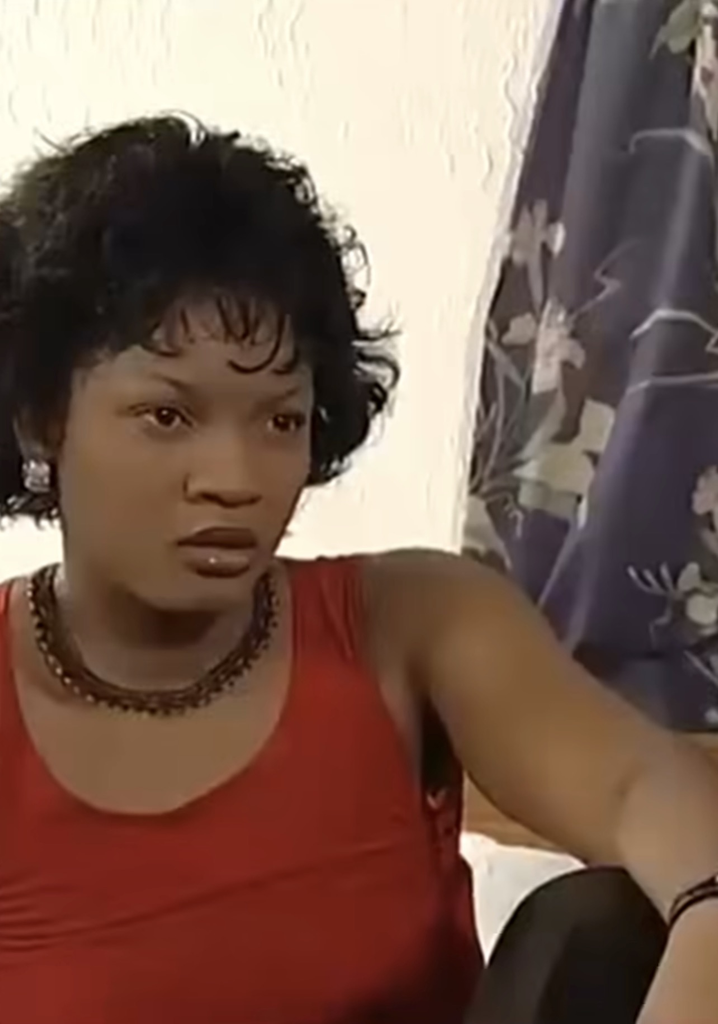
Damasus has defenders, and they point to her record and visibility in that era. One supporter said anyone who disputes her place probably did not watch Nollywood at the time, and remembered her as a lead in many films opposite the biggest male stars of the period. The awards record backs up part of this. She was nominated for Best Actress in a Leading Role at the Africa Movie Academy Awards in 2006, and again in 2008. She also shared screen credits with both Nnaji and Jalade-Ekeinde in films such as Games Women Play
4. STEPHANIE OKEREKE
Stephanie Okereke Linus was born on 2 October 1982 in Imo State and finished third in the 2002 Most Beautiful Girl in Nigeria pageant before building her film career. She has starred in over 90 movies and is also a scriptwriter, producer and director, with short films such as The Student and Bad Police to her name. She was nominated for the AMAA lead actress award in 2005. Her supporters in this debate point to both her acting and her directing
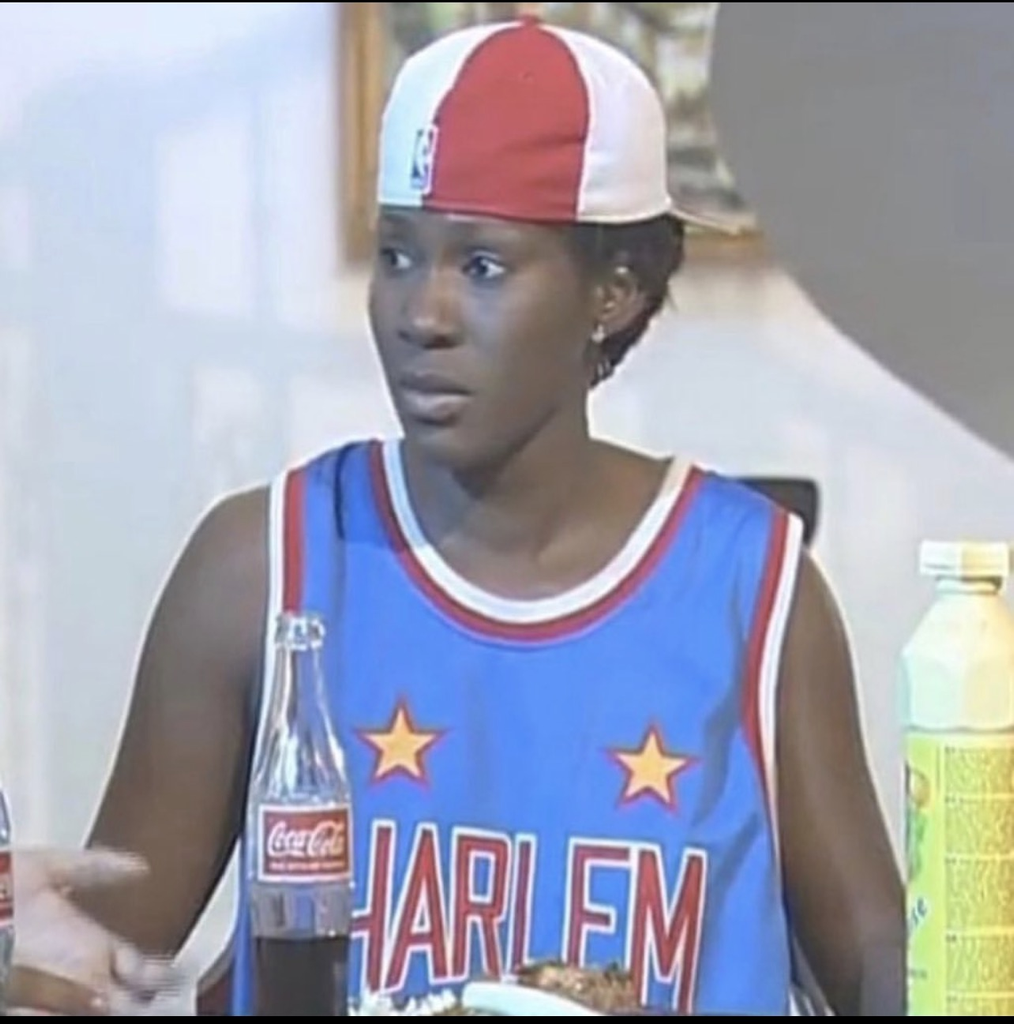
Okereke’s supporters have an equally strong case. She has starred in more than 90 movies and works as a scriptwriter, producer and director. She was nominated for the same AMAA lead actress award in 2005, the year Nnaji won it, and was nominated again in later years. She also appeared alongside Nnaji in films including Private Sin and Critical Decision. Her admirers argue that her work behind the camera shows an influence that goes beyond acting.
5. RITA DOMINIC
Rita Dominic won the Africa Movie Academy Award for Best Actress in a Leading Role in 2012.She has featured in over 100 movies and she came to prominence in 1998 with her first movie, A Time to Kill. Her best-known work includes the films 76, The Meeting and Shattered, which earned her several awards. She also won the City People Awards’ Most Outstanding Actress prize in 2004 and a Best Actress award at Kenya’s Kalasha Awards in 2012

The dispute is difficult to resolve because the title was never official. There was no recognised body that formally declared Genevieve, Omotola and Stella the industry’s three biggest actresses. The same analysis points out that Nigeria’s music industry has its own contested “Big 3” for different eras. Without an official list, each fan’s version depends on which films they watched and which star they followed. The field was also crowded. Actresses such as Genevieve Nnaji, Stella Damasus, Rita Dominic, Ini Edo, Stephanie Okereke, Omotola Jalade-Ekeinde and Funke Akindele are all credited with shaping how a generation viewed women on screen. Any list of three will leave out someone with a fair claim.
In the end, Damasus described her own memory of her era, and her critics are describing theirs. Awards, box-office numbers and filmographies can support several different line-ups, and the label itself came from fans rather than from the industry. Among the sources reviewed, Okereke and the other actresses named have not publicly responded to the debate. For now, the question of who belonged in Nollywood’s “Big Three” remains a matter of opinion.