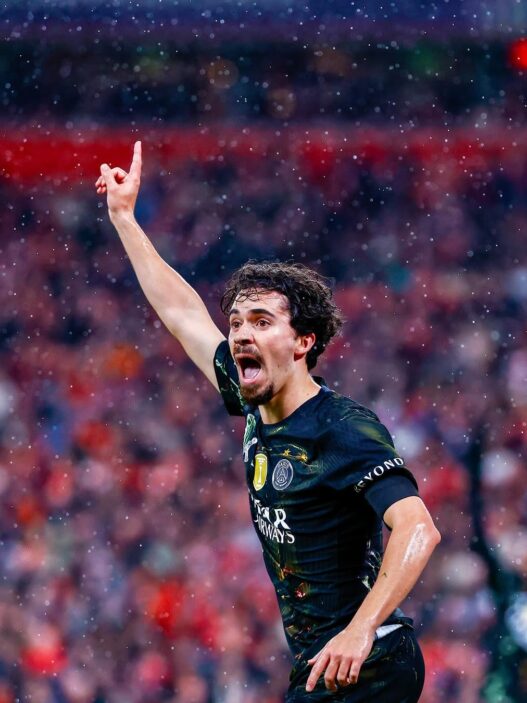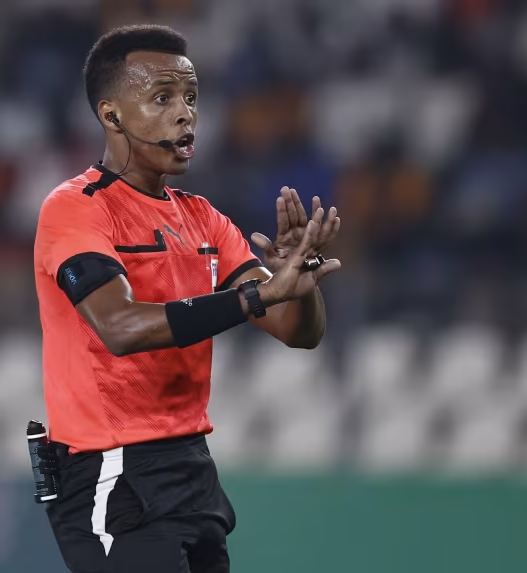


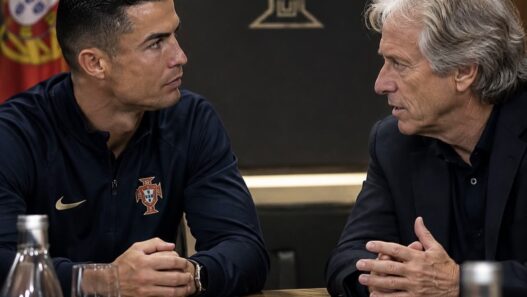





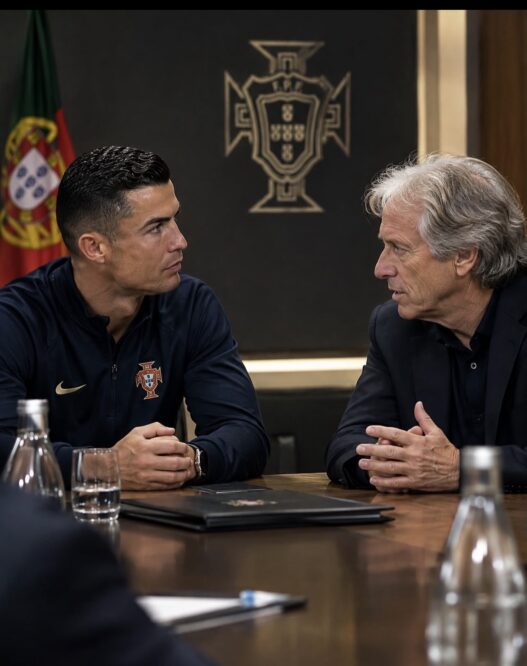
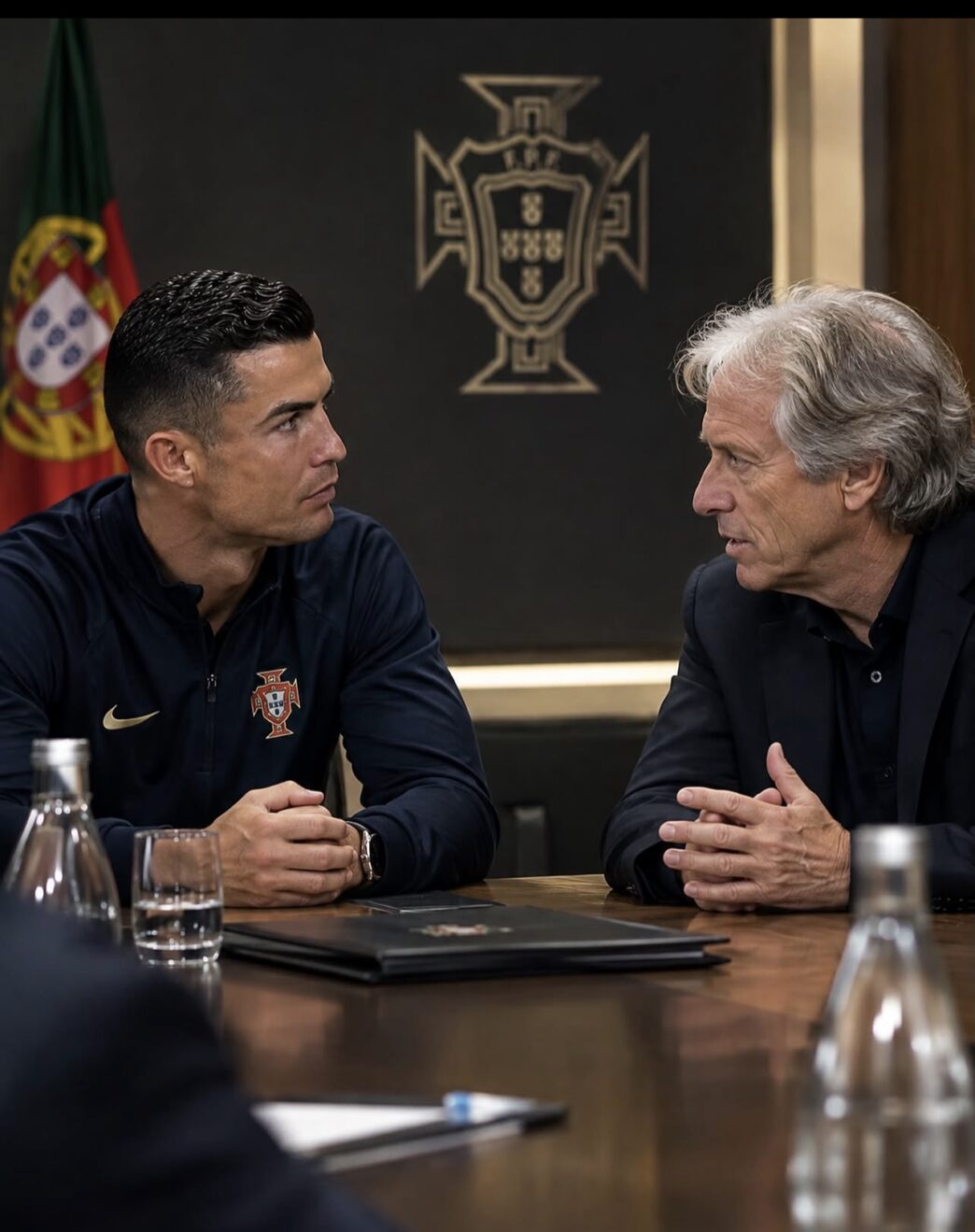
Cristiano Ronaldo has said he is not retiring from international football. But the way his relationship with Portugal’s new coach, Jorge Jesus, unraveled in under two weeks has left the national team with an uncomfortable question: can the greatest player in its history and the man now running it coexist?
- CRISTIANO RONALDO
Born in Funchal on the island of Madeira in 1985, Cristiano Ronaldo grew up in modest circumstances and left home as a teenager to join Sporting CP’s academy. His talent took him to Manchester United in 2003, where he developed into a world-class winger and won the Premier League and the Champions League. A record-breaking move to Real Madrid in 2009 followed, and there he became the club’s all-time leading scorer and won four more Champions League titles. He later played for Juventus, returned to United, and joined Al Nassr in Saudi Arabia in 2023. Over his career he has won five Ballon d’Or awards and passed 900 career goals. For Portugal, he is the all-time leading international scorer, with 146 goals in 234 appearances according to recent reports. He captained the team to its first major trophy, Euro 2016, and has also won the Nations League with it. For more than twenty years he has been one of football’s most recognizable figures, which is why his dispute with the national team’s coach carries such weight.
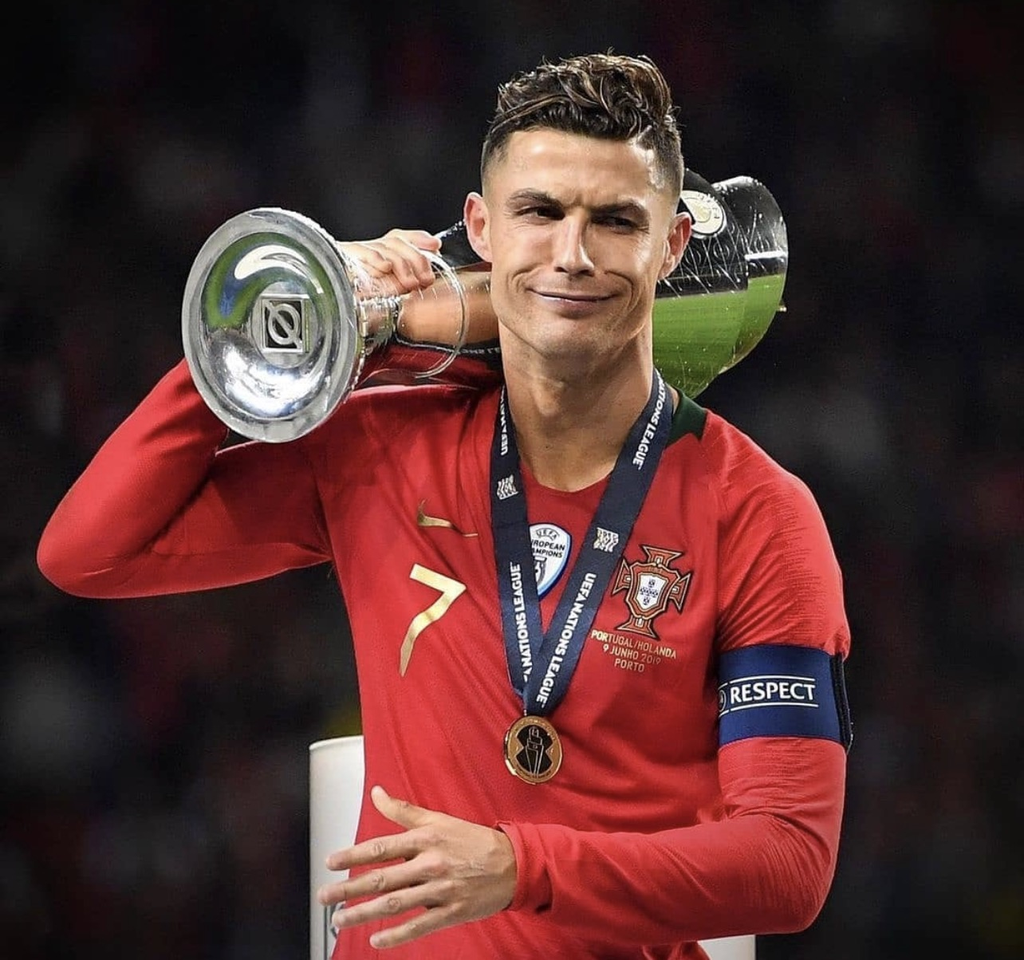
The dispute surfaced over the course of three matches. Portugal opened the window with a 1-0 home win over Wales, in which Ronaldo, 41, started and was substituted in the 67th minute. In the next game, a 2-1 away win over Norway, he was an unused substitute. Reports said Portuguese Football Federation president Pedro Proença then arrived in camp unexpectedly, and Jesus said publicly that there was no feud and no crisis talks. Shortly afterwards, following a press conference in which Jesus discussed the captain’s role, Ronaldo left the squad in Copenhagen before the match against Denmark. In the message, he wished Portugal and his teammates good luck and said he would “tell the truth” in due course. Portugal beat Denmark 4-2 without him, then defeated Norway 2-1 at home, finishing the window with 12 points from four games and a place in the next round.
2. JORGE JESUS
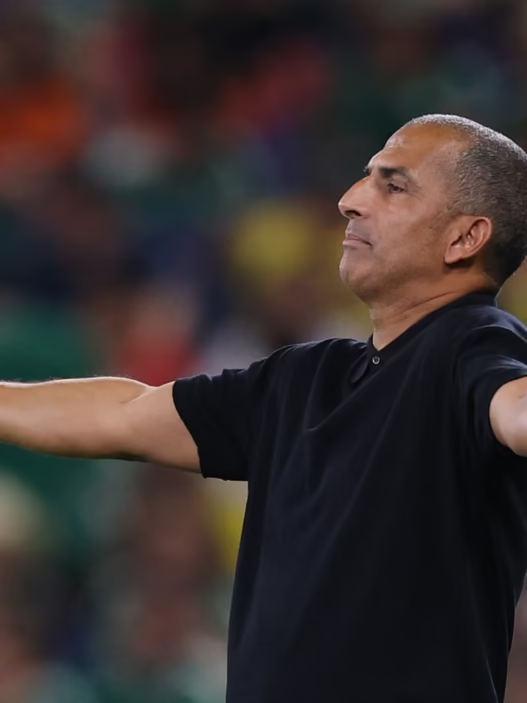
Born in Amadora in 1954, Jorge Jesus had a modest playing career before building his reputation as a coach, most notably at Benfica, where he won league titles and reached two European finals. He later managed Sporting and Al Hilal, and in 2019 he led Flamengo to the Copa Libertadores and the Brazilian league title, making him the first European coach to win the Libertadores. He also worked at Fenerbahçe and returned to Benfica. He was presented as Portugal’s head coach in July 2026, at 72, which put him in charge of a squad built around its most famous player. Known as a demanding, outspoken tactician, he has rarely shied away from public disputes
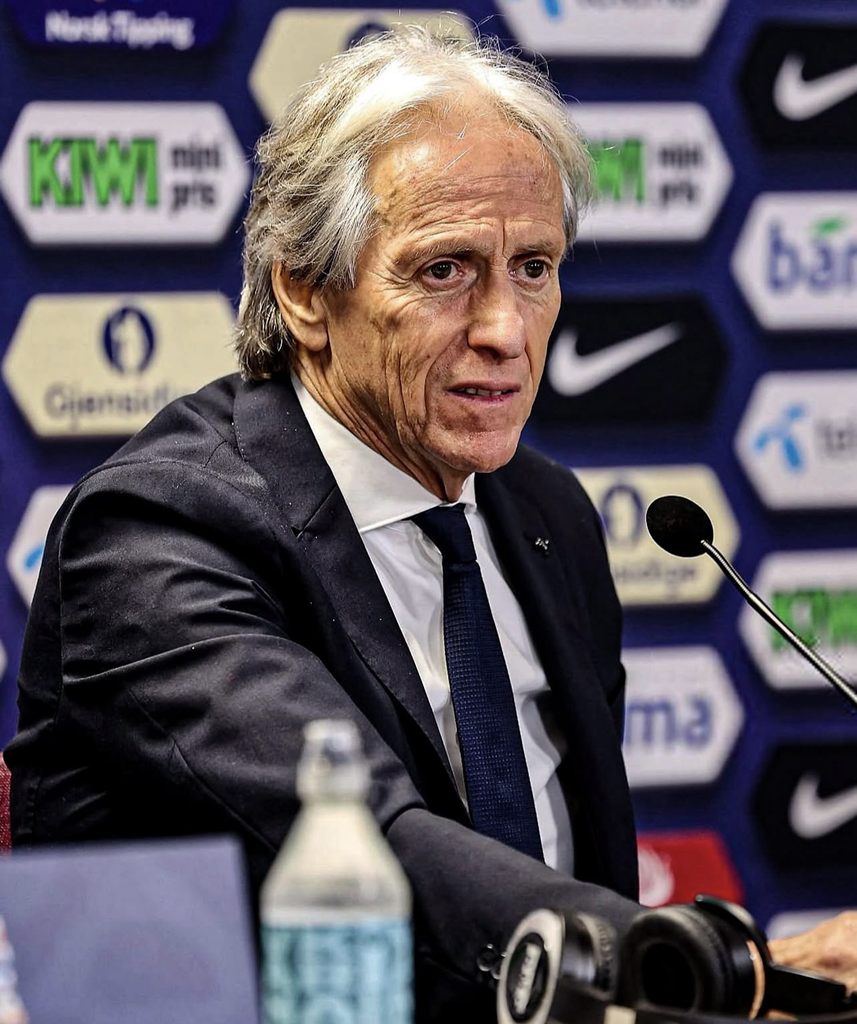
Ronaldo later set out his version in a longer statement. He said Jesus had first suggested that he play only the opening and closing games of the window and skip the trips to Norway and Denmark, and that Jesus accepted his reasoning. According to Ronaldo, Jesus then asked whether he was fit enough to play around 30 minutes. He says those minutes never came against Norway, that this amounted to a broken promise, and that he chose to leave rather than wait for another. He also described a meeting two days after the initial conversation, attended by Al Nassr sporting director Simão Coutinho, in which he says Jesus compared his status to that of Pelé and Maradona. He said he expected the coach to speak about him in the same way in public.
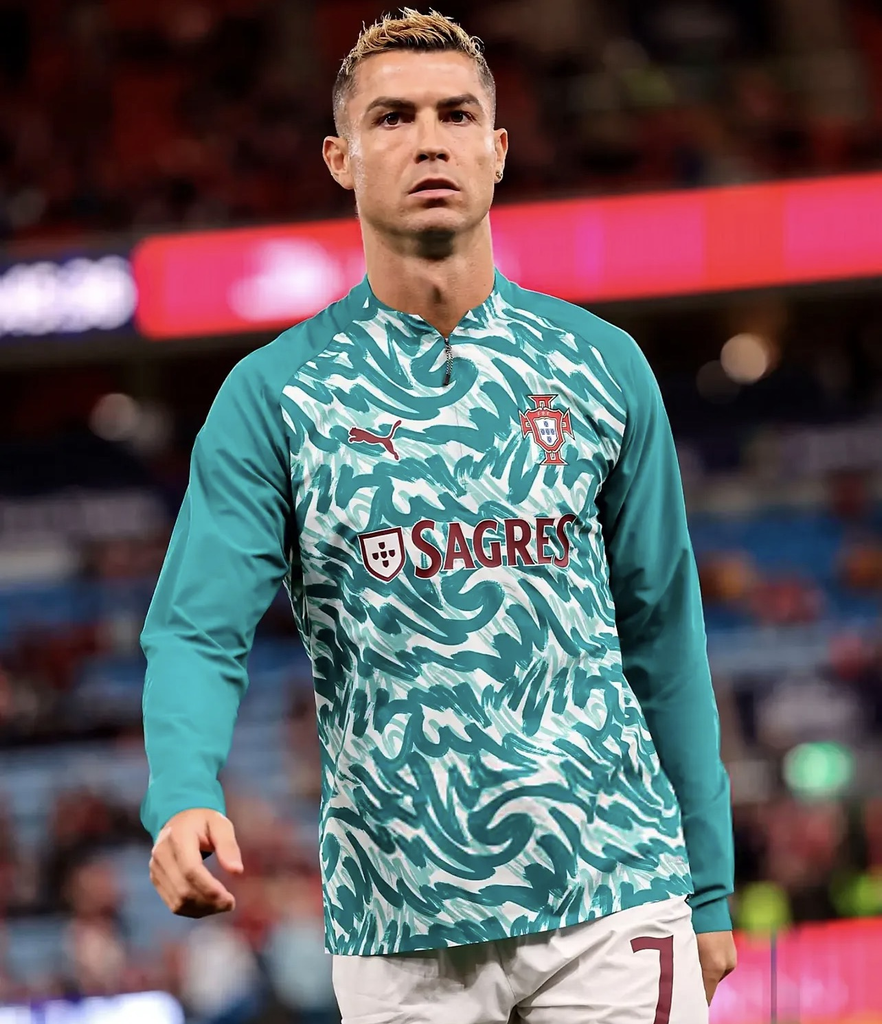
The statement also contained admissions. Ronaldo apologised for his actions and said he would accept any punishment. He said he is not retiring from international football and wants “one or more farewell matches,” and he disclosed that he had already prepared a farewell letter to be released after the 2026 World Cup.
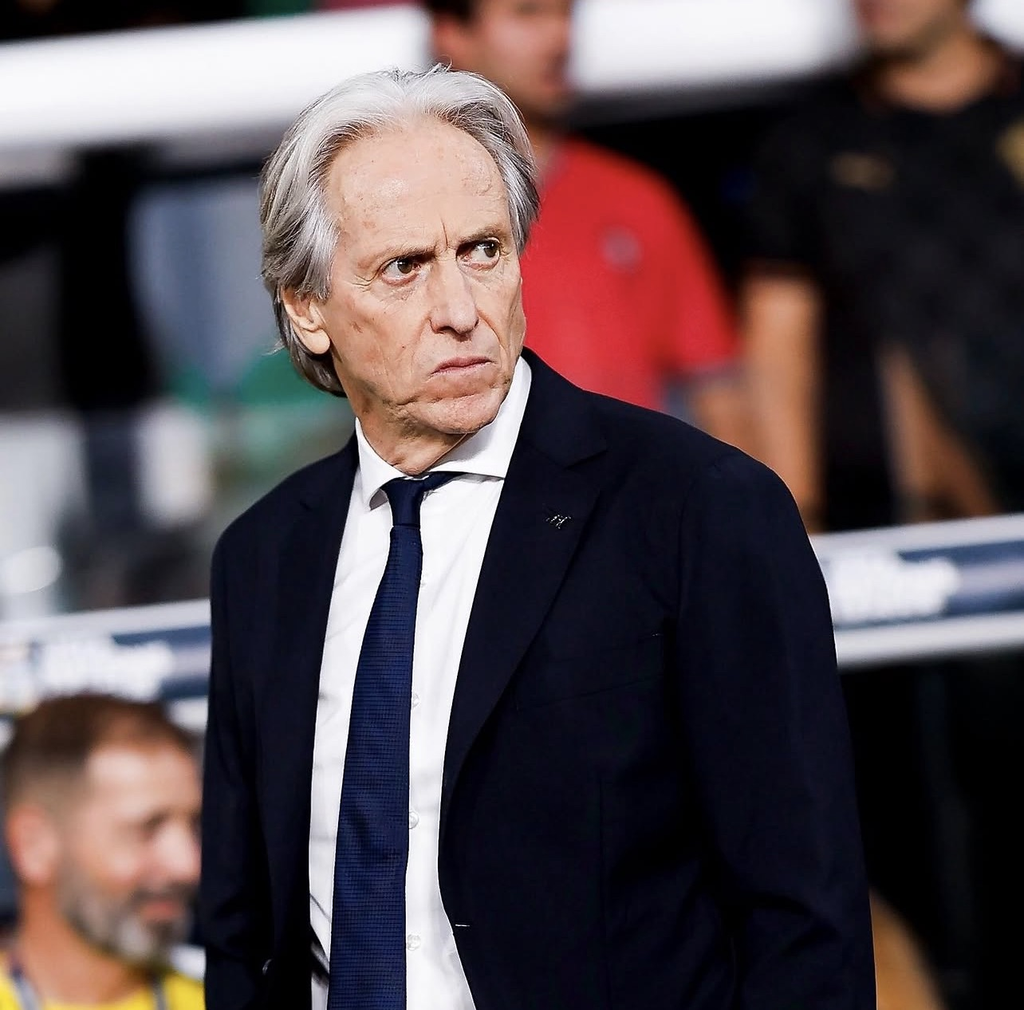
Jesus has described events differently. He has said Ronaldo was told before the Norway and Denmark games that he would start both on the bench, and that the player would not influence his selection decisions. After the Norway match, he explained why Ronaldo warmed up but did not come on, and he said the Portuguese media had pushed him to address a problem that, in his view, did not exist. After the home win over Norway, he said he had nothing to apologise for, but also that Ronaldo may return if he wishes. The decision, he said, belongs to the player, and the two could talk before the next call-up.
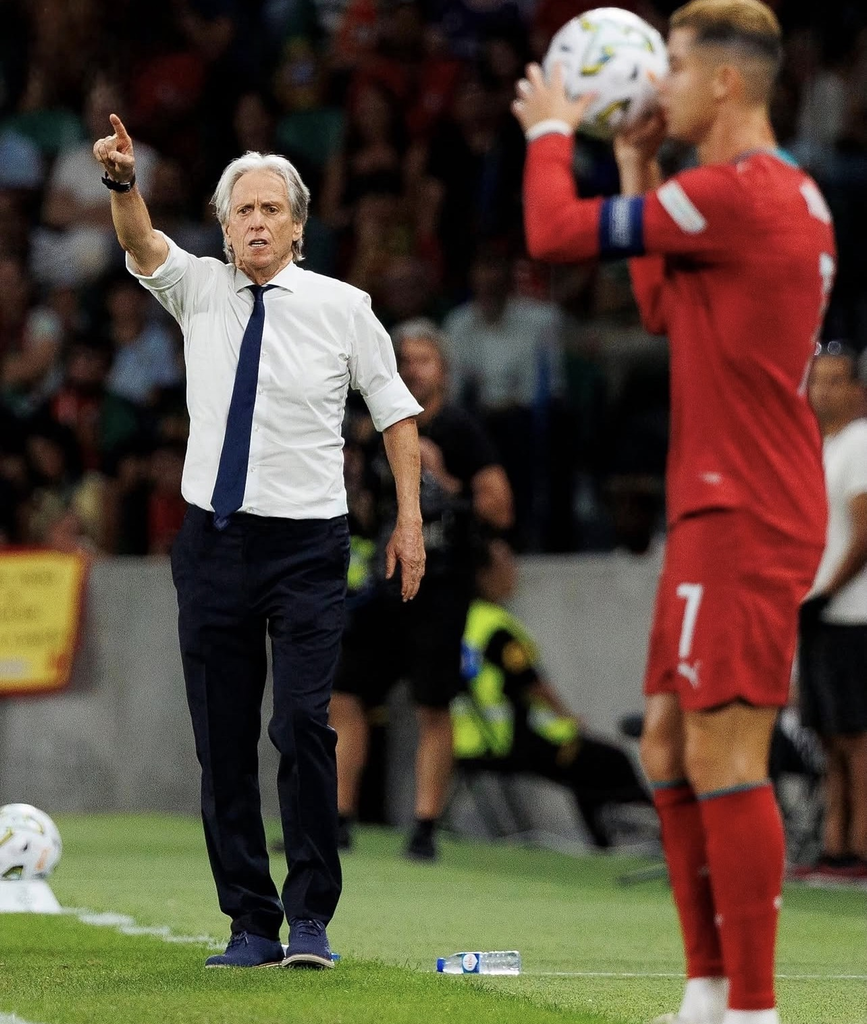
The two accounts therefore differ on a central point: whether Ronaldo was promised playing time against Norway. Both versions come from the people involved, and no independent confirmation of their private conversations has been published. A further claim complicates the picture. Different Portuguese press allegedly reported that Ronaldo has told those close to him that he will not return while Jesus remains head coach. That claim is unconfirmed, and neither man has made it publicly. Ronaldo’s own statement says he intends to continue playing for Portugal.
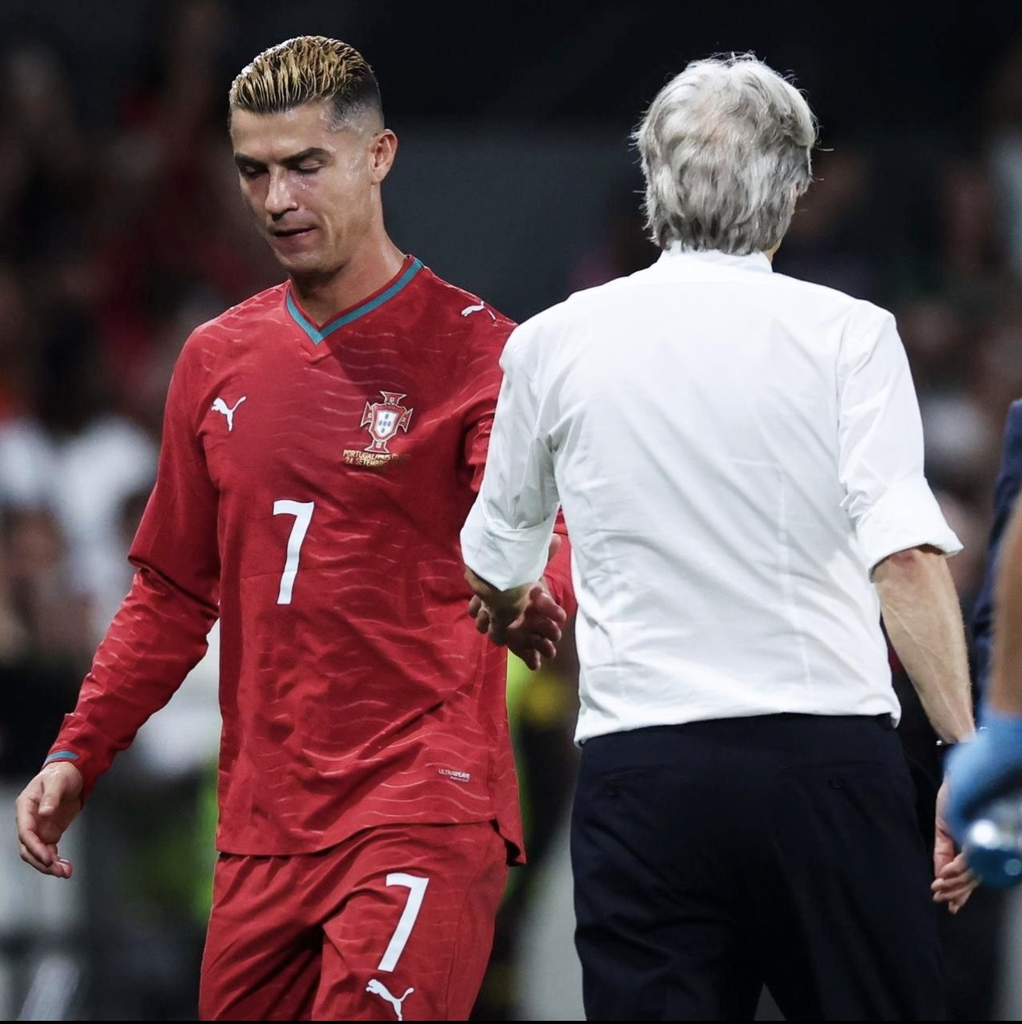
What happens next will be clearer on November 14, when Portugal play Denmark. Whether Ronaldo is selected, and whether the two men speak beforehand, will show whether the dispute is settled or continues.