






For some reason, it felt like everything was happening in Nigeria yesterday. October 20 was a particularly heavy day, bringing back painful memories of the #EndSARS protests, fresh concerns about police treatment of Nigerians exercising their right to peaceful assembly, and news of a confirmed Ebola case in Abuja.
Six years after the Lekki toll gate shooting, Nigerians gathered to remember those who lost their lives during the protests against police brutality. The commemoration was disrupted when police fired tear gas at attendees. Meanwhile, health authorities confirmed an imported case of Ebola in the Federal Capital Territory, and the Federal Government moved to engage labour leaders over demands to ease the country’s economic hardship.
It was a lot to take in, so let’s unpack what happened.
1. Six years after #EndSARS, Nigerians return to remember
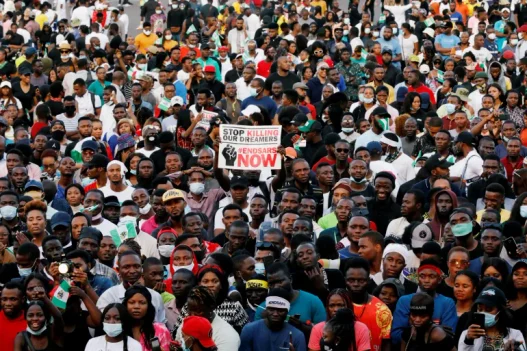
Reuters/Temilade Adelaja
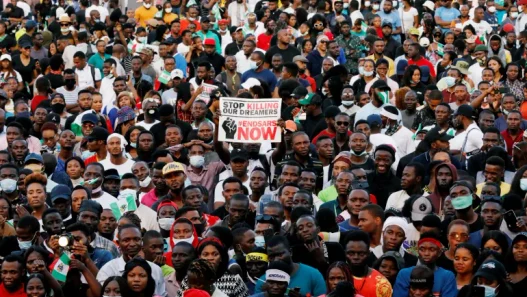
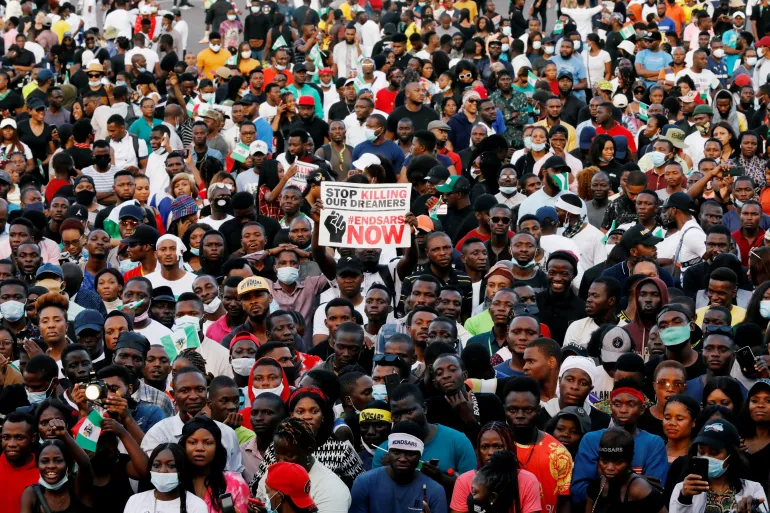
October 20, 2026, marks six years since the shooting at the Lekki toll gate in Lagos, one of the defining moments of the #EndSARS movement. In October 2020, young Nigerians took to the streets to demand an end to police brutality, particularly abuses associated with the now-disbanded Special Anti-Robbery Squad (SARS).
The Lekki toll gate became a focal point of the demonstrations. On October 20, 2020, soldiers opened fire on protesters at the site. The incident remains a painful and contested chapter in Nigeria’s recent history, with questions about casualties, accountability and justice continuing to shape public debate. This year’s anniversary brought Nigerians back to the toll gate to honour victims, remember survivors and renew calls for police reform. A wreath-laying ceremony organised by the Enough is Enough (EiE) movement was scheduled for the morning of October 20.
2. Police fire tear gas at #EndSARS memorial attendees
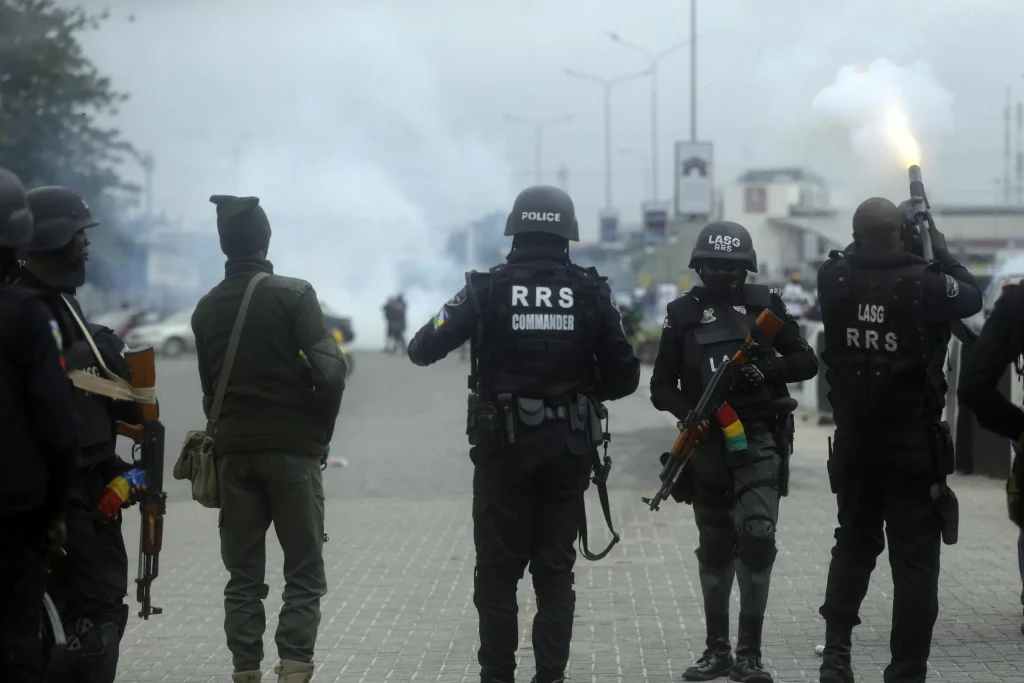
Image Credit: AP/Sunday Alamba
What was intended to be a memorial at the Lekki toll gate turned tense on Tuesday when police officers fired teargas to disperse attendees, disrupting the planned wreath-laying ceremony.
Among those reportedly affected were Gbadebo Rhodes-Vivour, the Lagos governorship candidate of the African Democratic Congress (ADC), and Funso Doherty of the Nigeria Democratic Congress (NDC). Journalists, residents and other participants were also caught up in the disruption.
According to reports by Channels Television, the gathering was organised to honour people who died during the #EndSARS protests and keep their demands for justice alive. The ceremony was interrupted before participants could lay their wreaths.
3. Nigeria confirms an Ebola case in Abuja
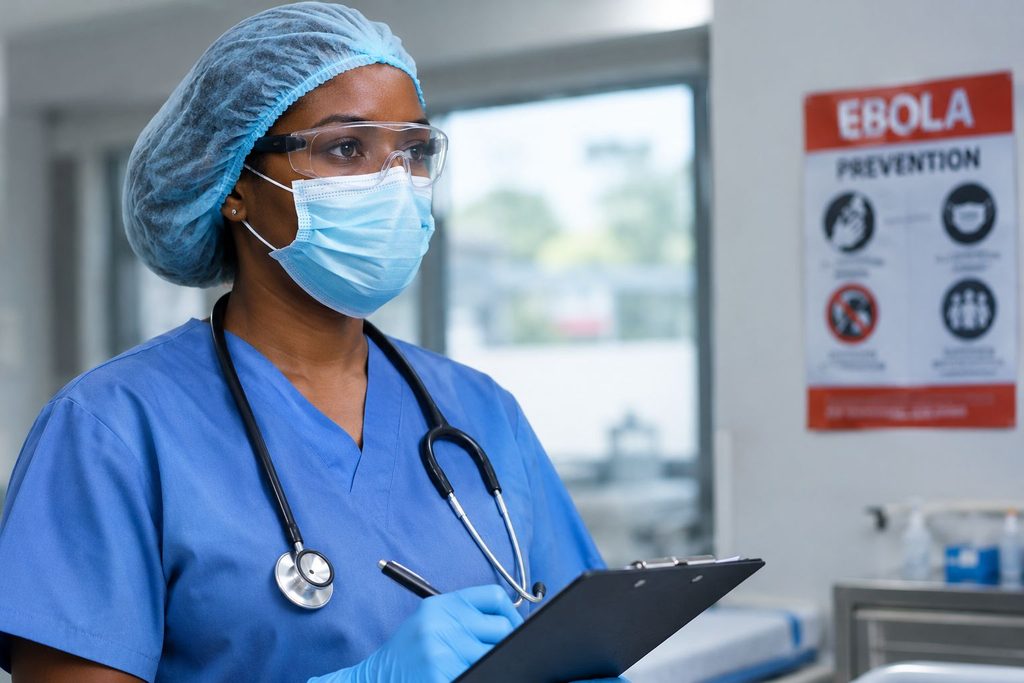
Nigeria’s Federal Ministry of Health and Social Welfare confirmed an imported case of Ebola virus disease in the Federal Capital Territory on October 20, prompting an intensified public health response.
According to the World Health Organization (WHO), the patient is a woman with a recent travel history involving Uganda. Her symptoms reportedly began on October 7, four days after her arrival in Nigeria. She sought treatment at a private health facility in Abuja on October 11, and laboratory tests confirmed the infection on October 20.
The patient is currently in isolation and receiving medical care. Health authorities have identified 44 close contacts and begun monitoring people who may have been exposed, including healthcare workers, patients, caregivers and travel contacts. The case involves the Bundibugyo strain of Ebola, which is associated with an ongoing outbreak originating in the Democratic Republic of the Congo. However, investigators are still working to establish where the patient contracted the infection and reconstruct her travel and exposure history. Her travel through Uganda does not, by itself, establish that she contracted the virus there.
Ebola spreads through direct contact with the blood or other bodily fluids of an infected person who is showing symptoms, or through contact with contaminated materials. It is not spread simply by being in the same city as an infected person.
Nigeria has experience responding to the disease: in 2014, the country successfully contained an Ebola outbreak after an imported case in Lagos. Authorities are now strengthening surveillance, contact tracing and infection-prevention measures to reduce the risk of further transmission.
For now, the confirmed case is a reason for vigilance, not panic. Anyone concerned about possible exposure should follow guidance from public health authorities and seek medical advice promptly if symptoms develop.
4. Federal Government summons NLC leaders amid economic hardship
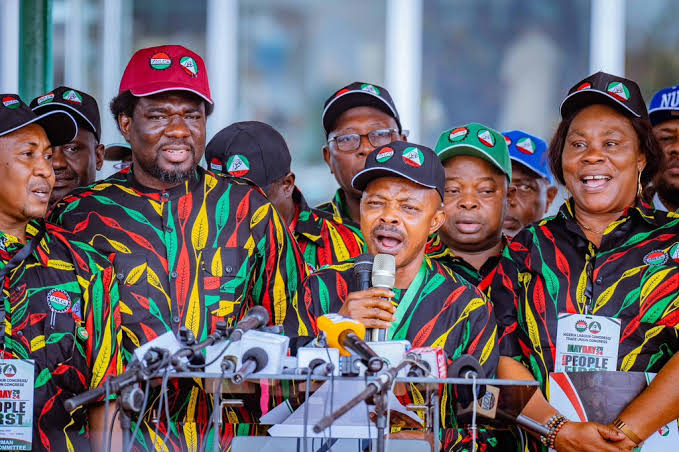
While concerns over public health and the #EndSARS anniversary dominated the day’s headlines, the Federal Government also summoned the leadership of the Nigeria Labour Congress (NLC) to a conciliation meeting in Abuja.
According to Vanguard, the meeting is scheduled for Thursday, October 22, at 1 p.m. at the office of the Minister of Labour and Employment. The talks come as a two-week ultimatum issued by the NLC on October 9 approaches its October 23 deadline. The union has called for measures to ease the economic pressure on Nigerian workers, including a reduction in petrol prices, negotiations towards a new national minimum wage, and the implementation of outstanding agreements affecting public- and health-sector workers.
The outcome of Thursday’s meeting could be significant for workers already contending with the rising cost of living. With the union’s deadline approaching, the discussions will test whether the government and organised labour can reach an agreement before the dispute escalates.