

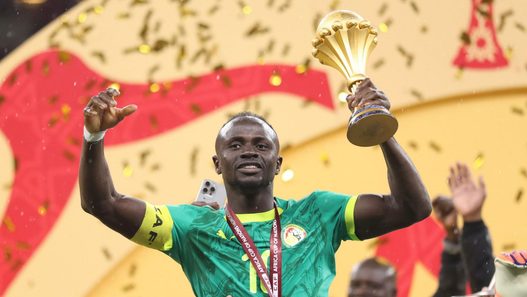





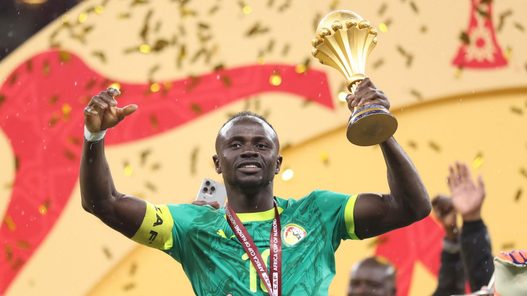
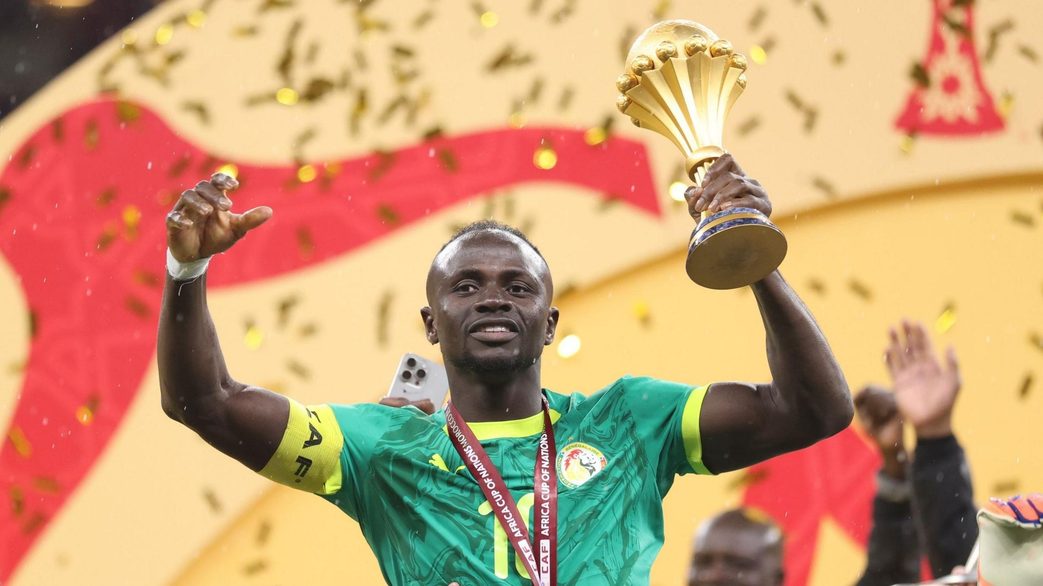
From champions to defendants, from defendants to losers, and from losers back to champions. Senegal’s AFCON trophy has travelled more than some African footballers.
Senegal have officially been handed their AFCON crown back, and this time, even CAF cannot change the scoreline with a committee meeting.
The Court of Arbitration for Sport (CAS) has overturned the Confederation of African Football’s (CAF) decision to strip the Teranga Lions of their 2025 Africa Cup of Nations title and award it to Morocco. Senegal’s original 1-0 victory in Rabat has been restored, making them champions of Africa once again.
Remember what happened in Rabat?
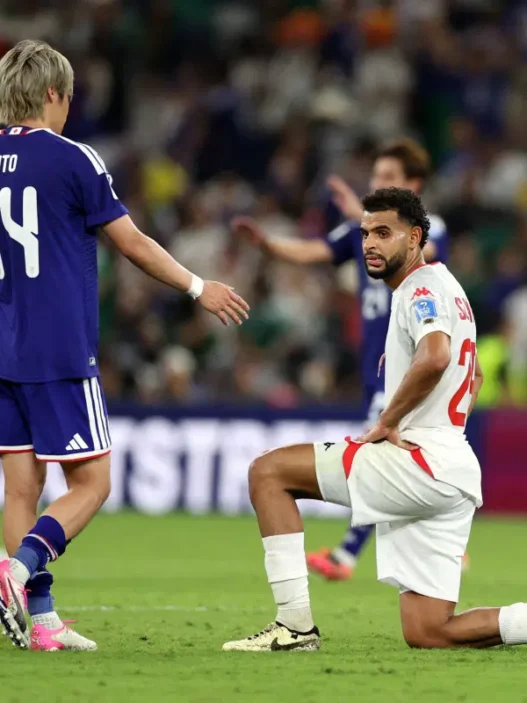
Senegal defeated Morocco 1-0 in the final on January 18, thanks to Pape Gueye’s extra-time strike. But the result came after one of the most chaotic endings to an international final in recent memory.
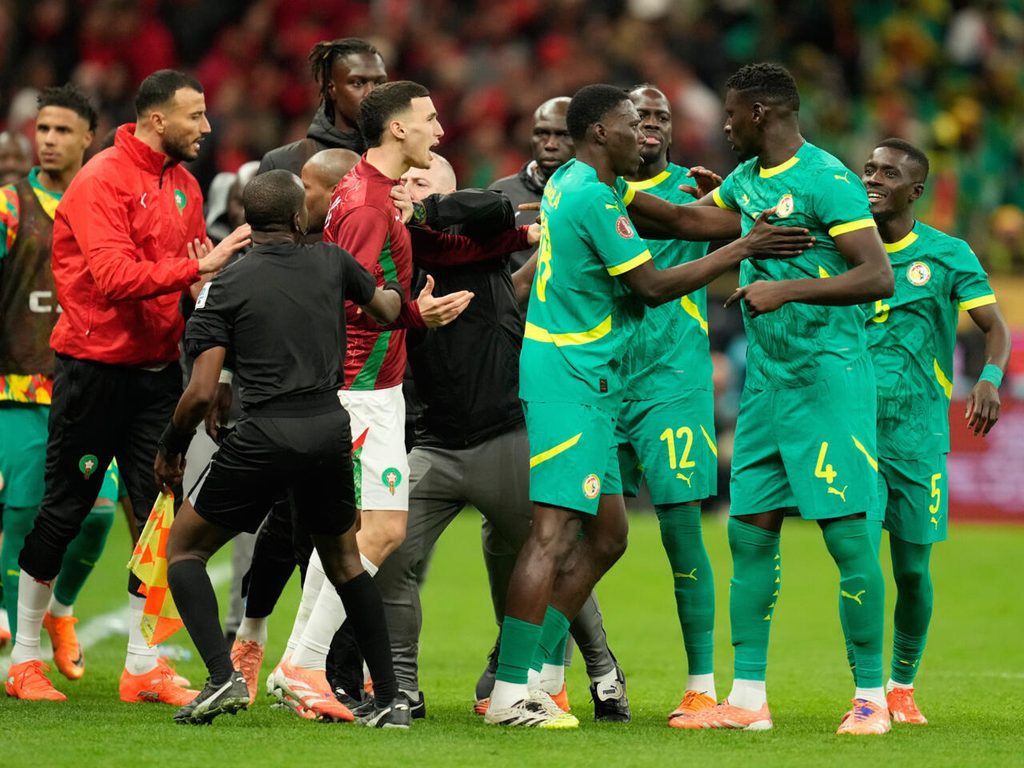
The controversy began when Senegal thought they had scored, only for their goal to be disallowed. Moments later, Morocco were awarded a penalty following a VAR review.
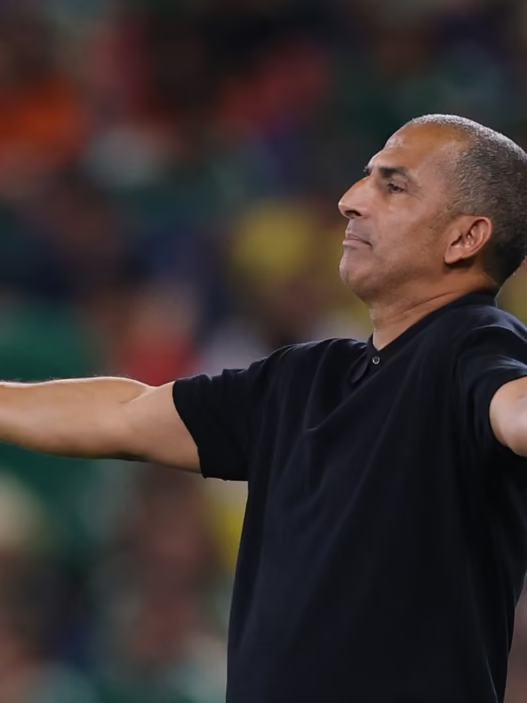
The Senegalese were furious. Head coach Pape Thiaw led his players off the pitch in protest, and for about 15 minutes, the final looked like it might end in circumstances nobody wanted.
Enter Sadio Mané.
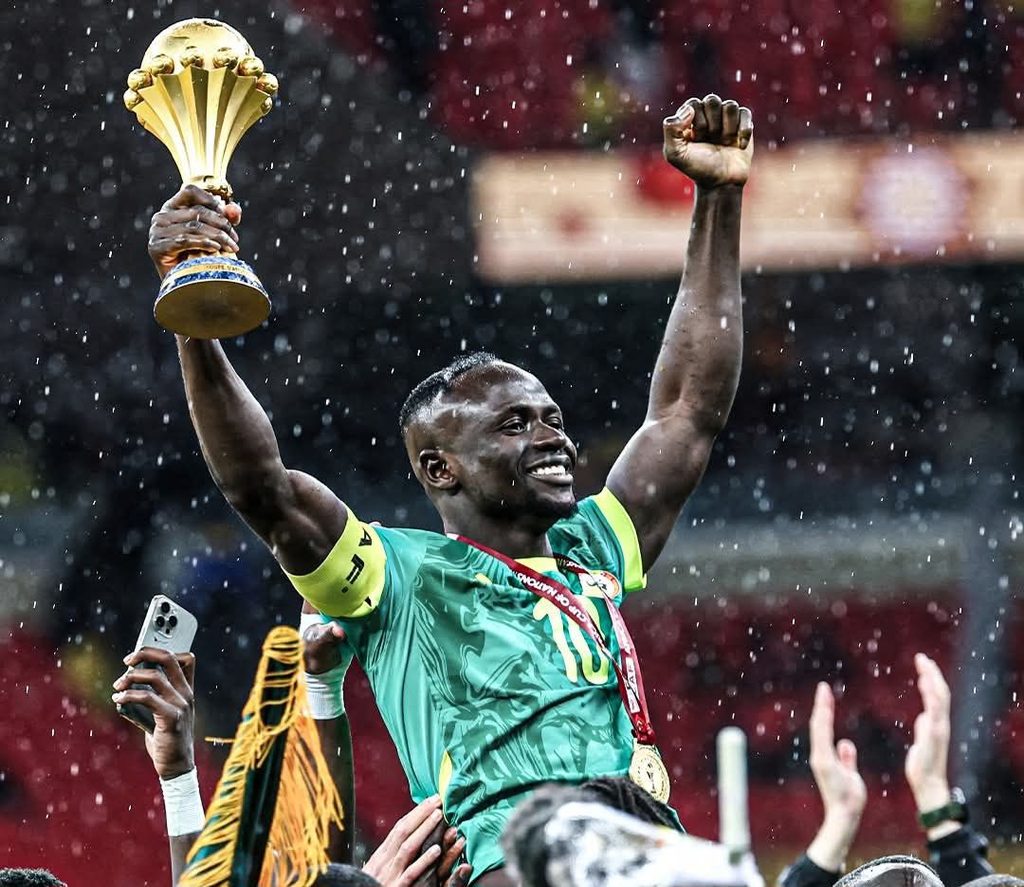
With emotions running high, the Senegal captain reportedly played a major role in persuading his teammates to return to the pitch. Play eventually resumed, and Morocco had the opportunity to take the lead from the penalty spot.
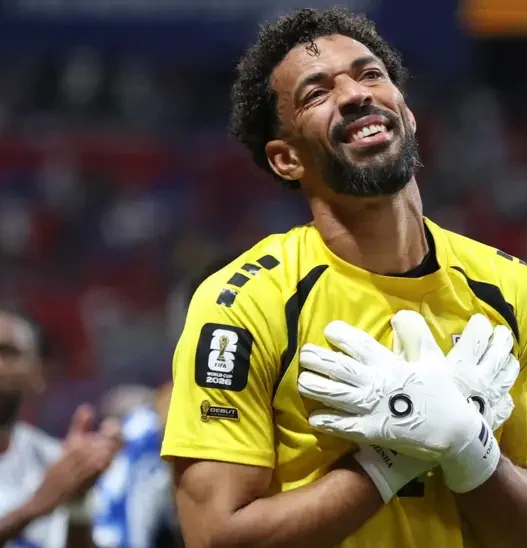
Brahim Díaz stepped forward. This was his moment to become a national hero. Instead, he attempted a Panenka, and Édouard Mendy was having none of it.
The Senegalese goalkeeper saved the effort, sending the match into extra time.
Then Pape Gueye delivered the goal that won Senegal the trophy.
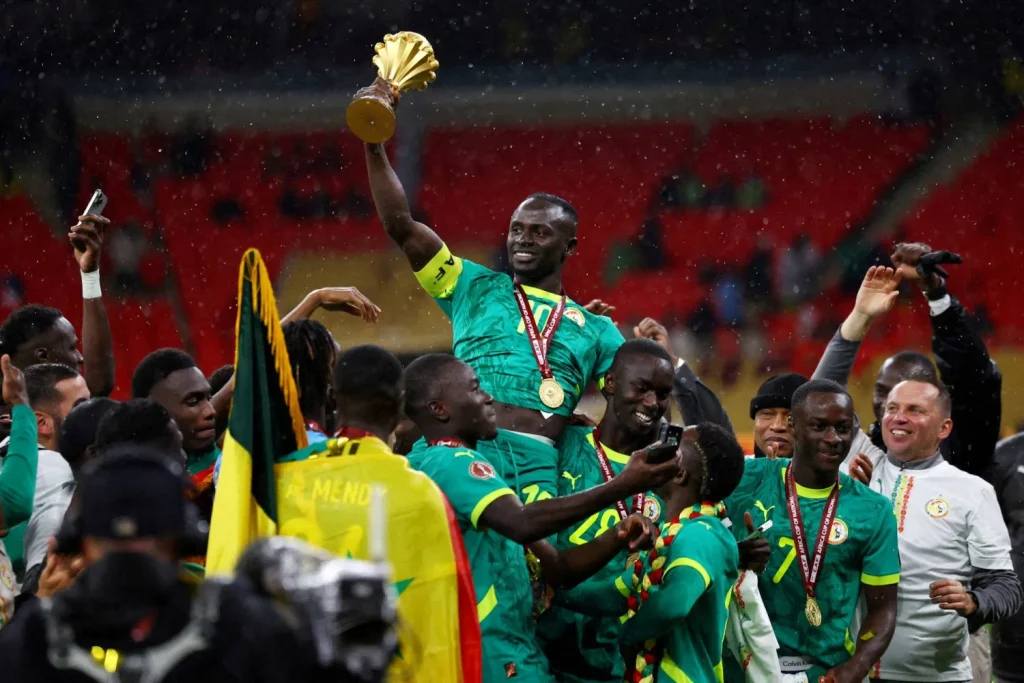
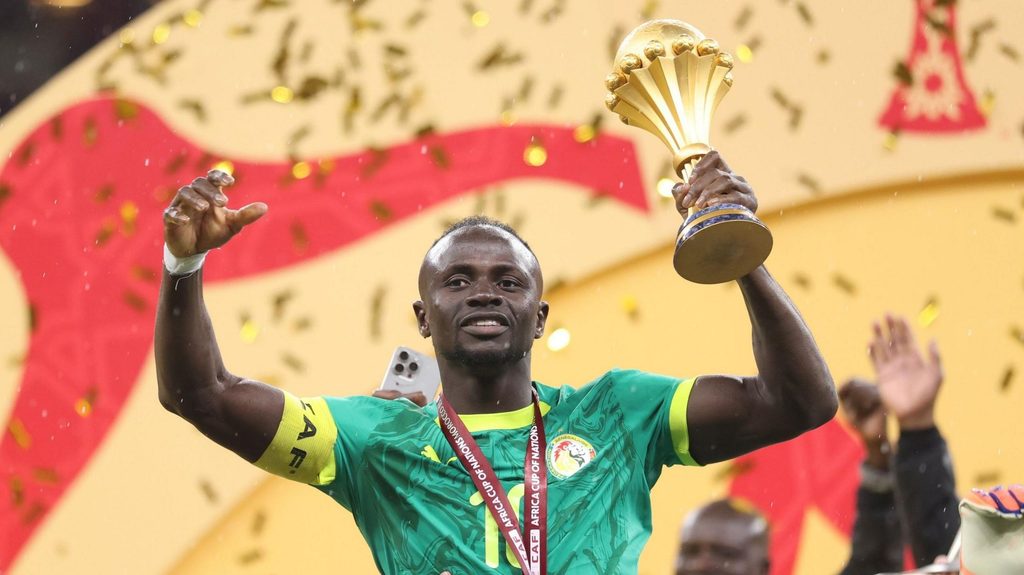
At that point, the celebrations were justified. The players collected their medals, the trophy was lifted, and Senegal had conquered Africa for the second time in their history.
Nobody was asking for a lawyer. Everybody was asking for another round of celebration.
THEN CAF ENTERED THE CHAT
Two months later, on March 17, CAF’s Appeal Board delivered a decision that turned the football world upside down.
The organisation ruled that Senegal had forfeited the final because their players had left the pitch without the referee’s authorisation. The original result was overturned, and Morocco were awarded a 3-0 victory.
Just like that, Senegal had gone from African champions to runners-up without Morocco having to score a single goal on the pitch.
It was an unusual way to win a football final. Imagine finishing second in a competition, going home, and then receiving a phone call telling you that congratulations, you are now champions.
Morocco had a reason to celebrate, Senegal had a reason to protest, and the rest of African football had another reason to question the administration of its biggest football competition.
Senegal were not prepared to accept the decision. They took the matter to CAS, the independent sports tribunal based in Lausanne, Switzerland.
And this is where things became particularly interesting.
THE COURTROOM HAD THE FINAL SAY
CAS heard arguments from both sides on October 8 before delivering its decision on November 24.
The three-member panel ruled in Senegal’s favour, setting aside CAF’s Appeal Board decision and reinstating the original decision of CAF’s Disciplinary Board.
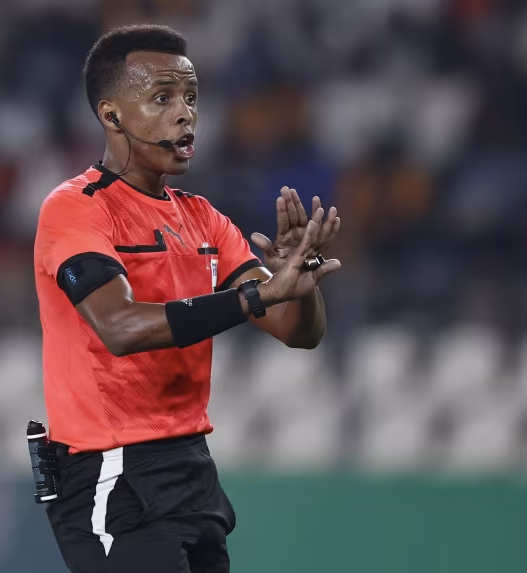
A crucial part of the ruling concerned the authority of the match referee, Jean-Jacques Ngambo Ndala.
CAS concluded that the decision to resume or stop the match fell within the referee’s authority. When he blew his whistle to restart play, both teams had returned to the pitch and were willing to continue.
The court also made an important distinction concerning the AFCON regulations.
Articles 82 and 84, which Morocco relied on in their appeal, were intended to determine the outcome of a match when a team permanently abandons it and the referee brings the game to an end.
That was not what happened in Rabat. The referee restarted the game, and the final was completed.
CAS therefore concluded that the referee had not made an error of law by allowing play to continue. It also rejected the suggestion that his decision was arbitrary simply because the atmosphere was extremely tense.
In simpler terms, you cannot allow a match to restart, let both teams finish the job, and then use regulations meant for a permanently abandoned match to rewrite the result.
Senegal’s 1-0 victory stands. Morocco lose the title CAF’s Appeal Board had awarded them.
SO, WHAT DOES THIS MEAN FOR AFRICAN FOOTBALL?
This is bigger than Senegal getting their trophy back.
For one, it raises serious questions about how football is administered on the continent. CAF is responsible for protecting the credibility of African football, and decisions surrounding its biggest competition must be consistent, transparent and defensible.
There is also the question of respect for match officials. Referees make difficult decisions under enormous pressure. If a referee decides to restart a match, the consequences of that decision must be understood and respected within the competition’s rules.
However, Senegal are not entirely without blame either. Walking off the pitch in protest at a referee’s decision is not something football should encourage. Players and coaches must find better ways to express their frustrations without threatening the integrity of a match.
The CAS decision does not mean Senegal’s conduct was perfect. It means CAF’s attempt to change the result through its forfeiture regulations did not stand up before the sports tribunal.
And that distinction matters.
Morocco, meanwhile, have been left with the disappointment of seeing a title they were officially awarded taken away. Playing a final at home, reaching the trophy presentation stage of the story, and then losing the title in court is not exactly the souvenir you want from hosting a major tournament.
As for Senegal, they can finally put the lawyers away, bring out the celebrations and enjoy their trophy. They were champions, they were stripped of their title, and now, after a trip to court, they are champions again.