








Every awards season follows a pattern. Africa is invited in, photographed, and praised as “the future.” Then the trophy goes elsewhere. A fair question is whether Africa is being honoured, or whether foreign institutions are borrowing the continent’s energy and audience for their own relevance.
THE GRAMMYS: A CATEGORY OF OUR OWN, A STAGE OF OUR OWN
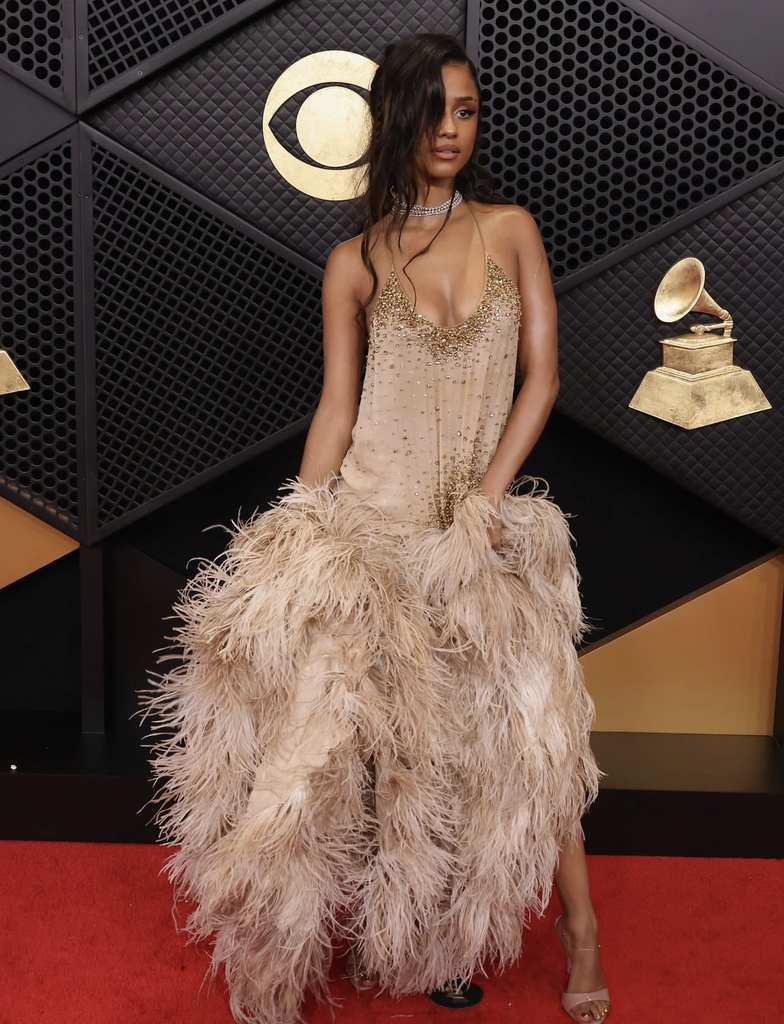
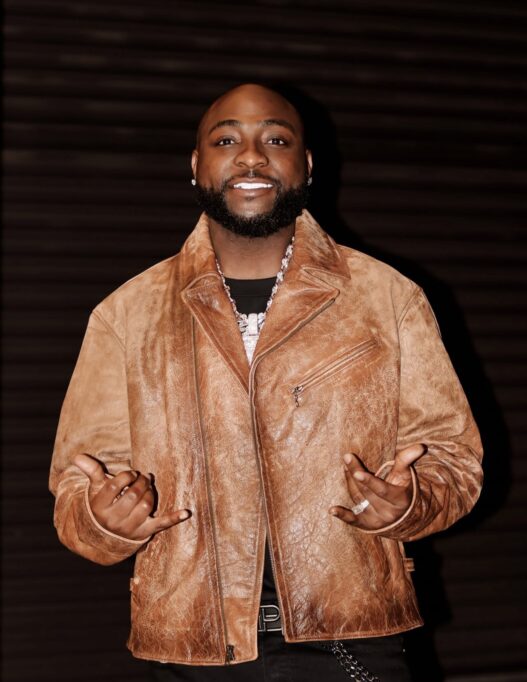
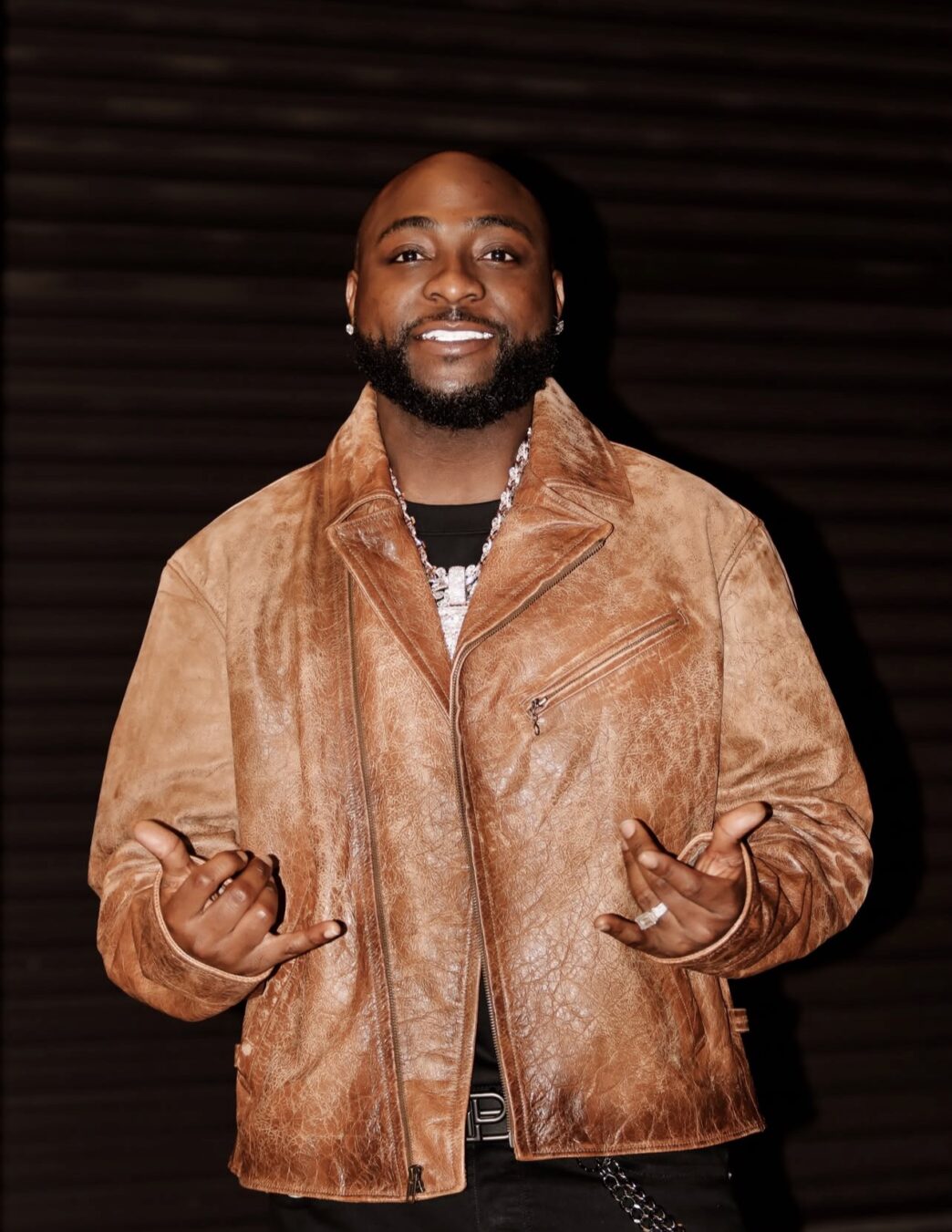
The Recording Academy created Best African Music Performance in 2024, and it was sold as a breakthrough. The first Grammy ceremony under the new category was bruising for Nigerian fans. Burna Boy, Davido, Tems, Ayra Starr, Olamide and Asake collectively collected 10 nominations across five categories and left without a single trophy. Burna Boy and Davido also lost Best Global Music Album to the band Shakti. The placement of the award is part of the story. Every category the Afrobeats stars contended in was announced at the Premiere ceremony, where dozens of prizes are handed out before the main live telecast. The pattern continued in 2026, when Tyla’s win for “Push 2 Start” was again handed out at the Premiere ceremony. People argued that an award meant to celebrate the continent was sidelined from the main show, and that the sidelining didn’t go unnoticed.
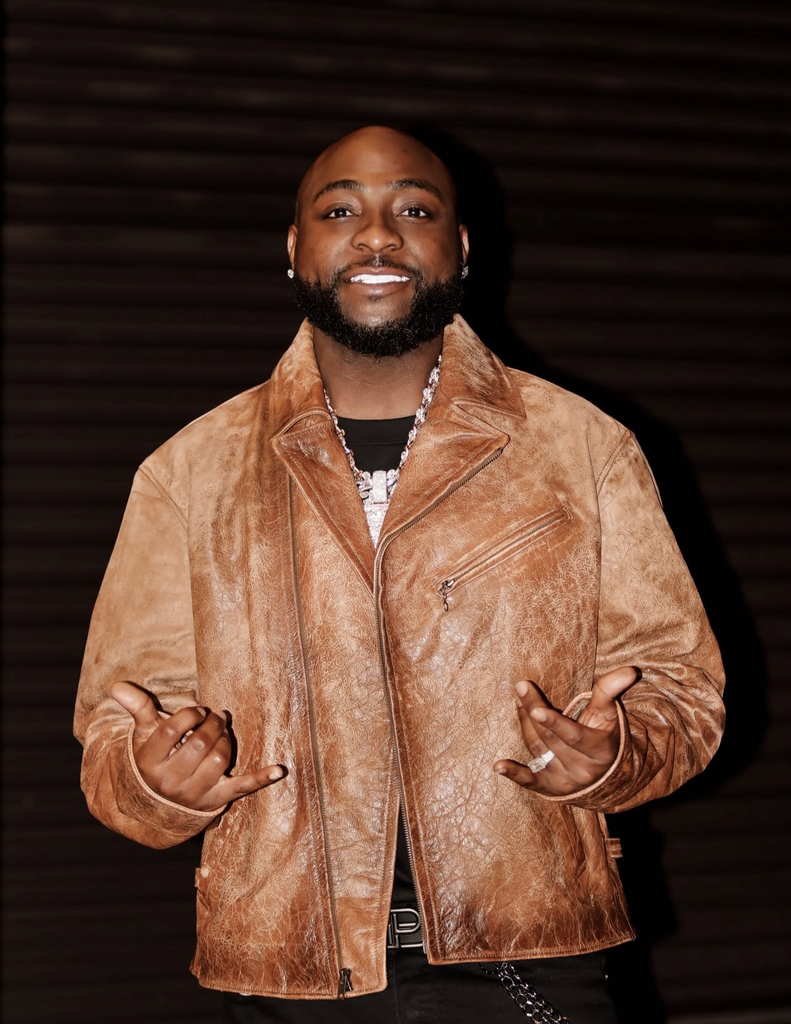
The 2026 round shows how this works. Tyla won her second award in the category, beating Davido, Burna Boy and Ayra Starr. Nigeria left the ceremony without a win despite having nominees in two categories. Burna Boy’s Best Global Music Album nomination was his seventh consecutive Grammy nomination since 2020. Burna Boy’s record is also a reminder to keep the story honest. In 2021 he became the first Nigerian to win a Grammy as a lead artist, in the Global Music Album category. But his 2020 nomination for African Giant lost to Angélique Kidjo’s Celia, and Love, Damini lost the album prize to Masa Takumi’s Sakura, while “Last Last” lost Best Global Music Performance.
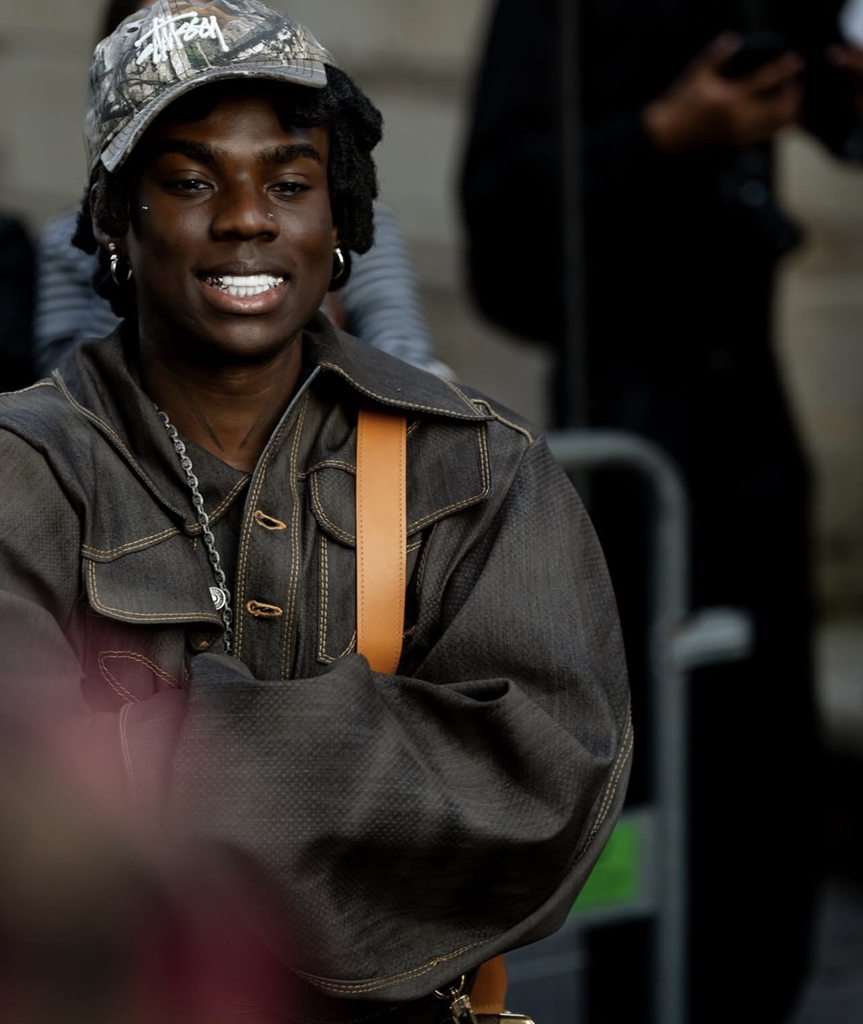
The omissions raise the same question about who gets recognised. After the 2026 nominations, an outlet listed Rema and Asake among the most talked-about omissions, despite global hits, with neither receiving a nomination in Best African Music Performance or Global Music Performance. That is a list of grievances, not a verdict, but it shows how contested the category’s boundaries are. The loudest argument is about structure. A category for “African music” can function as a ceiling. One critic argued that if the Grammys ranked Africa’s biggest records high and let artists compete fairly in the major categories, the African category would be a formality rather than a politically correct attempt at limiting their impact.
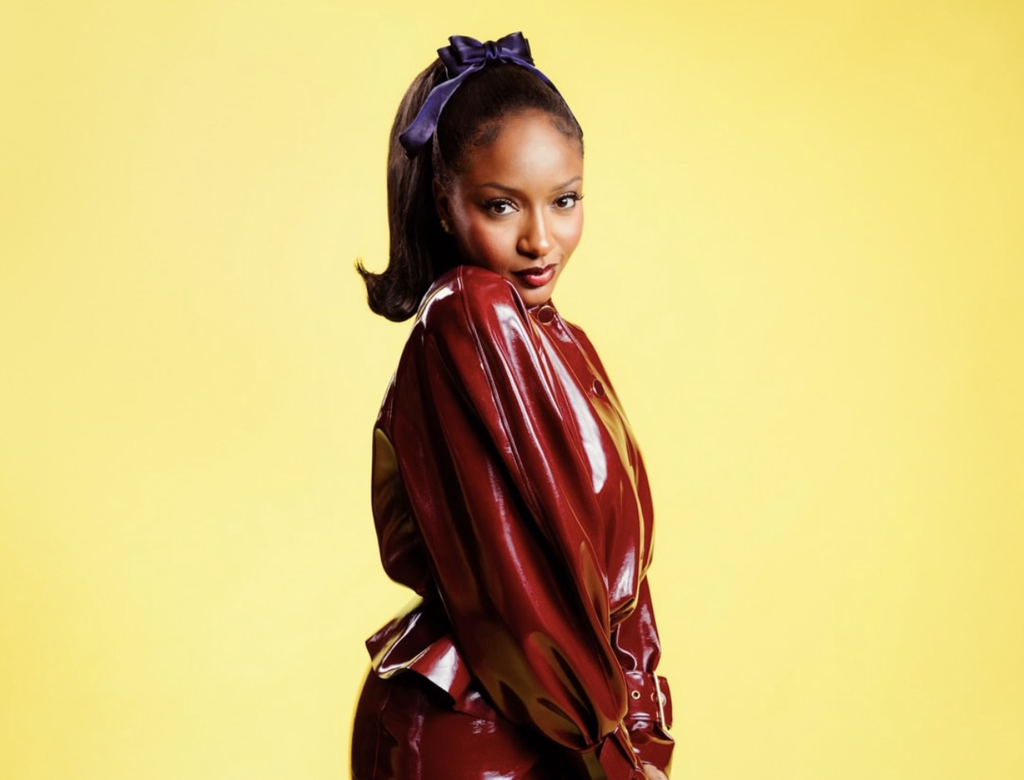
A Nigerian went further and claimed the Grammys benefited from African promotion and then moved on. He said the Grammy Awards benefited from the promo that Burna Boy and Davido brought. That is an opinion, and a widely shared one, so I’m presenting it as such.
THE OSCARS: NIGERIA’S FIRST ENTRY, DISQUALIFIED
This is the clearest case of an institution’s rules colliding with African reality. Nigeria’s first Oscar submission, Genevieve Nnaji’s Lionheart, was disqualified from Best International Feature because the Academy requires a predominantly non-English dialogue track. The film is largely in English, with an 11-minute section in Igbo. The paradox drew immediate fire. Ava DuVernay asked whether the Academy was barring Nigeria from ever competing for an Oscar in its official language.

In fairness, the rule was not written to target Nigeria. The Academy had previously disqualified the Afghan film Utopia and the Israeli film The Band’s Visit under the same language rule. The deeper point stands, though. The rules assume a world where the “international” film is non-English, and that assumption leaves out much of Africa, where colonial languages are official. In practice, rules written in Los Angeles decide what counts as authentically African.

FOOTBALL: THE BALLON’DOR’S LONG WAIT
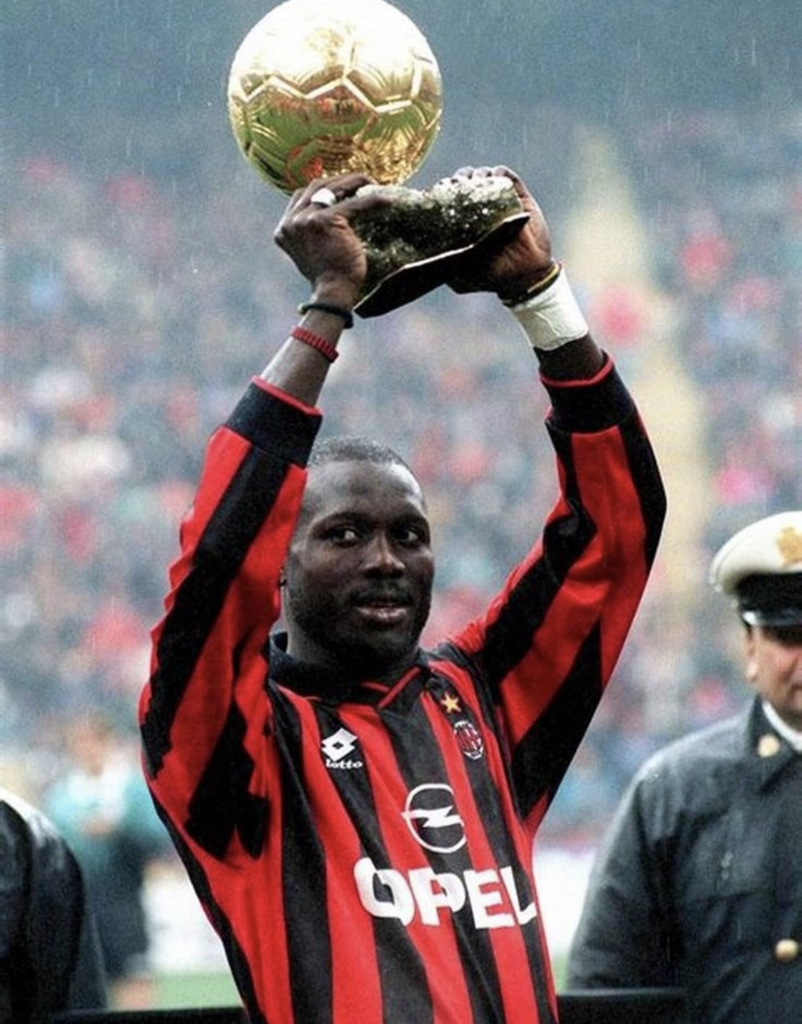
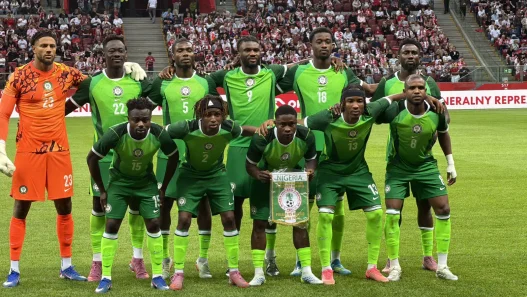
In football the pattern is more about perception than rules. George Weah, in 1995, remains the only African to win the men’s Ballon d’Or. A lot of Africans get nominated yearly but they have come close. Sadio Mané’s runner-up finish is the best by an African since Weah, and Mohamed Salah once placed fourth.
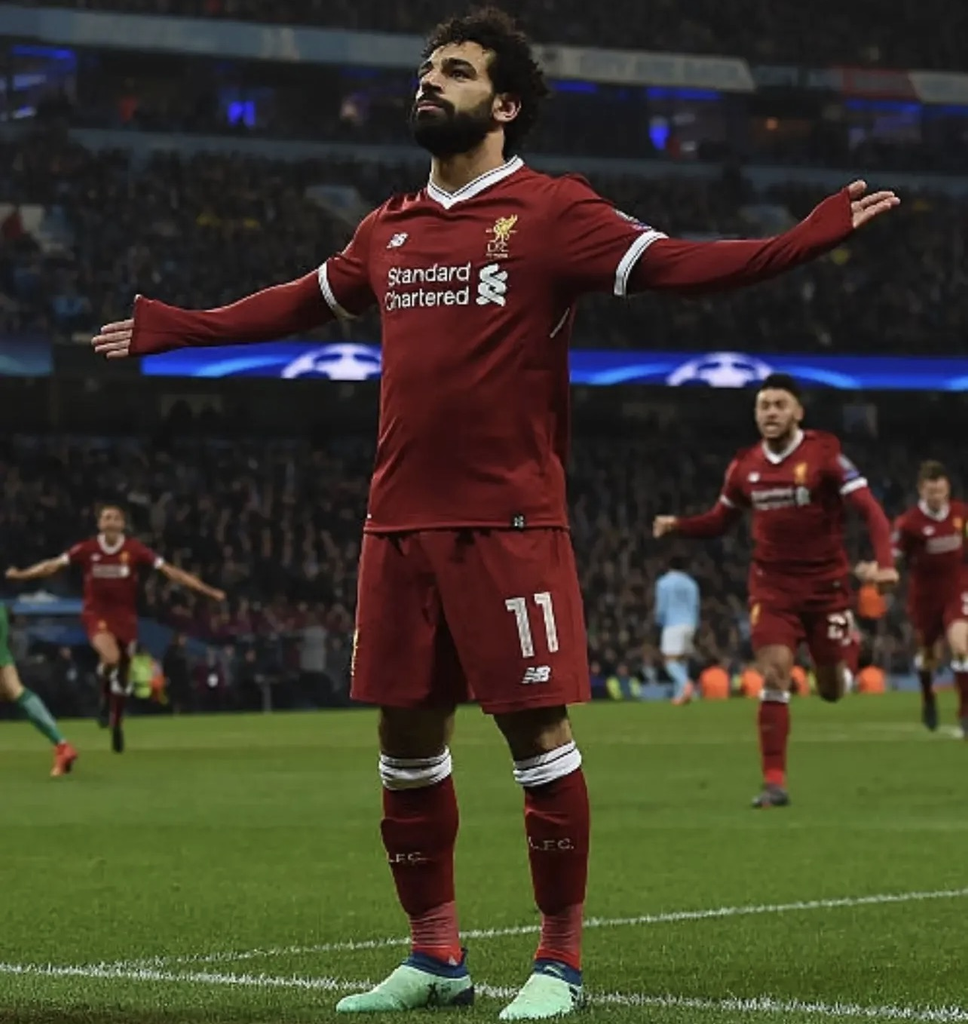
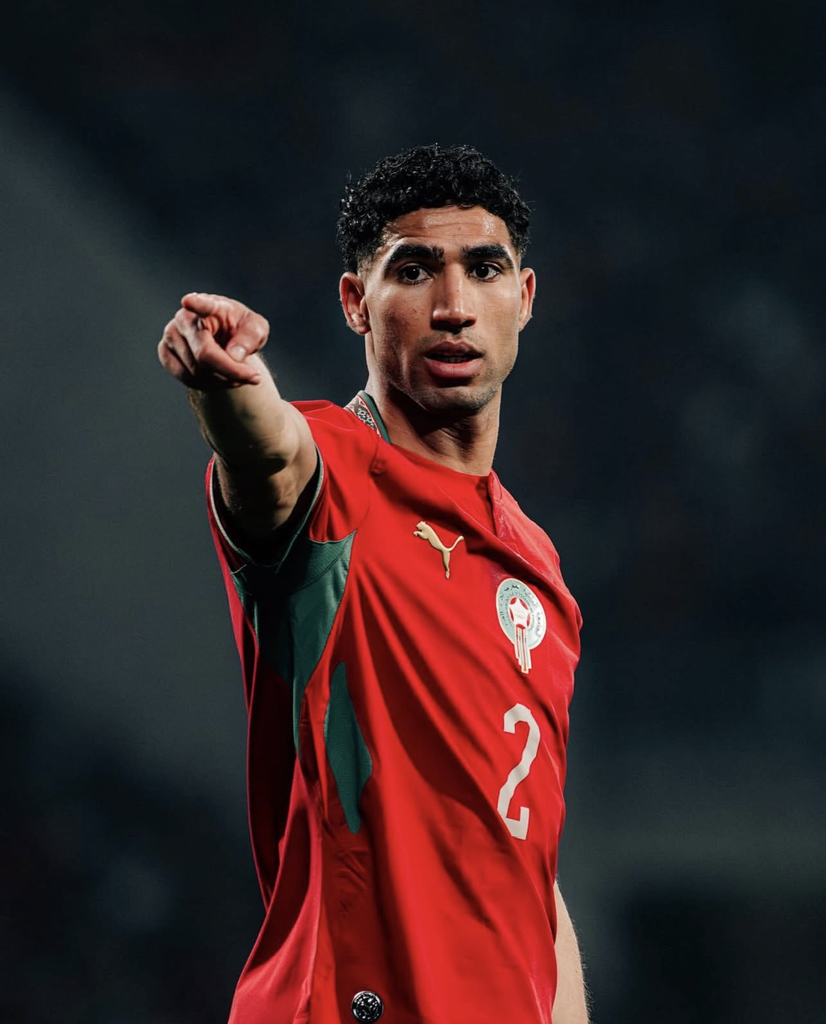
Recent seasons keep the same shape. In 2025, Salah finished fourth and Hakimi sixth. Then CAF’s own vote went to Hakimi: he took the African Ballon d’Or over Salah and Osimhen. The 2026 edition was thinner still. Ten African players from seven countries earned nominations across four categories, but none won, and Hakimi was Africa’s highest-ranked man at 13th. Neither he nor Mané reached the top 10.
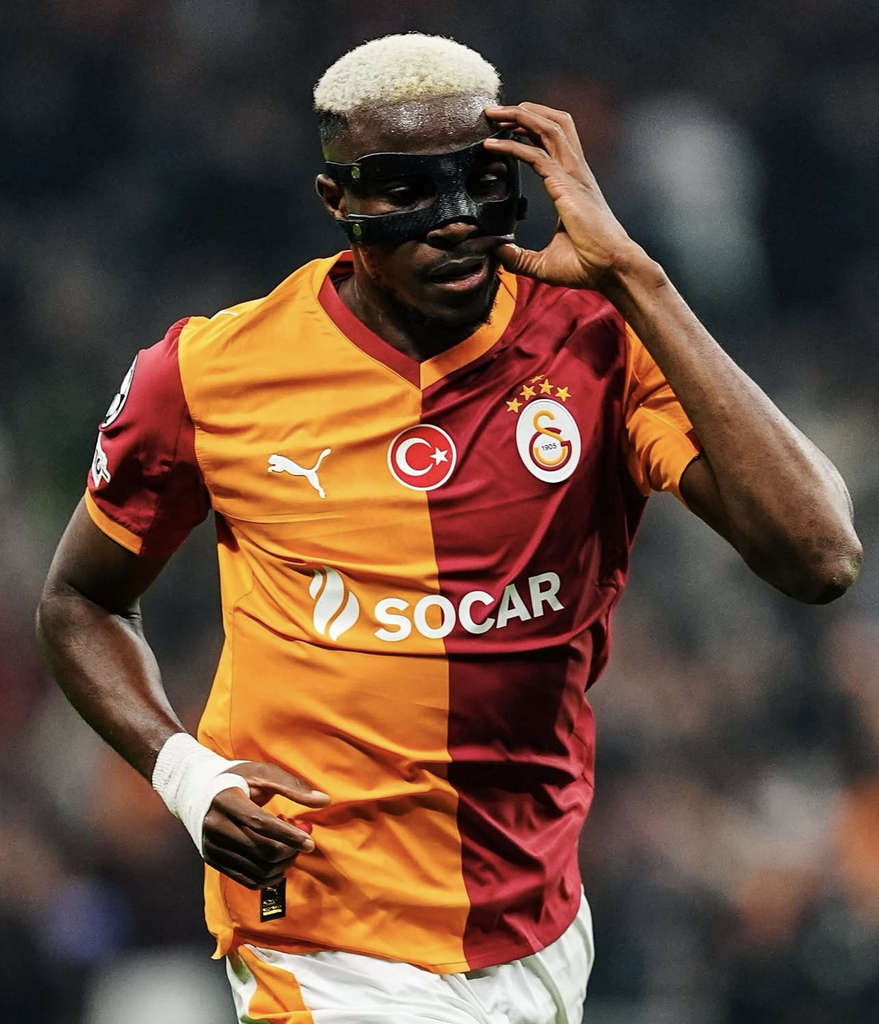
The shortlist itself caused anger in Nigeria. France Football left Victor Osimhen and Ademola Lookman off the 30-man shortlist, though Osimhen had been the first Nigerian in the top 10, finishing eighth in 2023. The caveat is that the Ballon d’Or is a European journalists’ vote and tracks Champions League success heavily. Most of Africa’s stars play for clubs that don’t dominate that competition, which is a structural bias, though not necessarily a conspiracy.
IS AFRICA BEING USED?
Africans do win. Burna Boy, Tyla and Tems all have Grammys, and Africa’s own award bodies, like CAF, reward African players, sometimes against the Ballon d’Or’s order. But it is that the winners are often judged by systems built for someone else. The “African” category can act as a cage as much as a stage. African talent drives audiences, streams and headlines, and the biggest prizes often go elsewhere. Rules like the Oscars’ language requirement turn cultural fact into ineligibility. The question for African creators and institutions is whether to keep seeking validation from these bodies or to build awards with equal prestige.