







Imagine being banned from a profession for life, moving on, building another career, rising through the ranks, retiring as a senior Police officer and then, more than two decades later, receiving a letter telling you that you are finally free to return to your first love, at age 55.
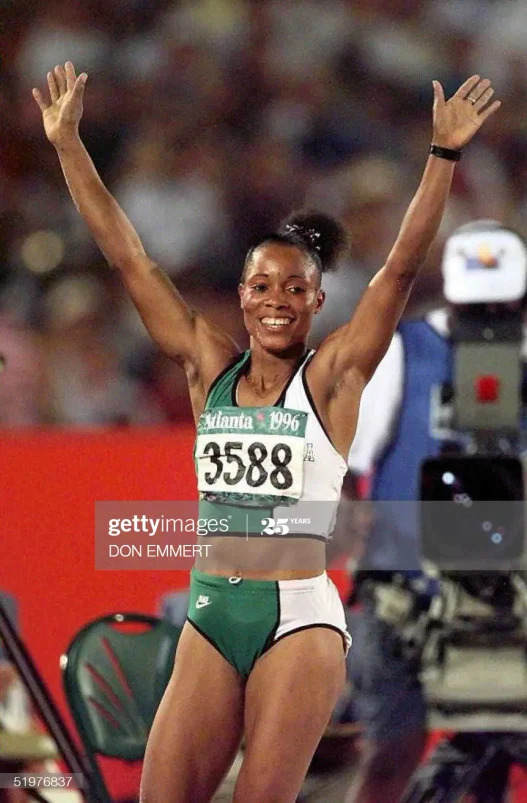
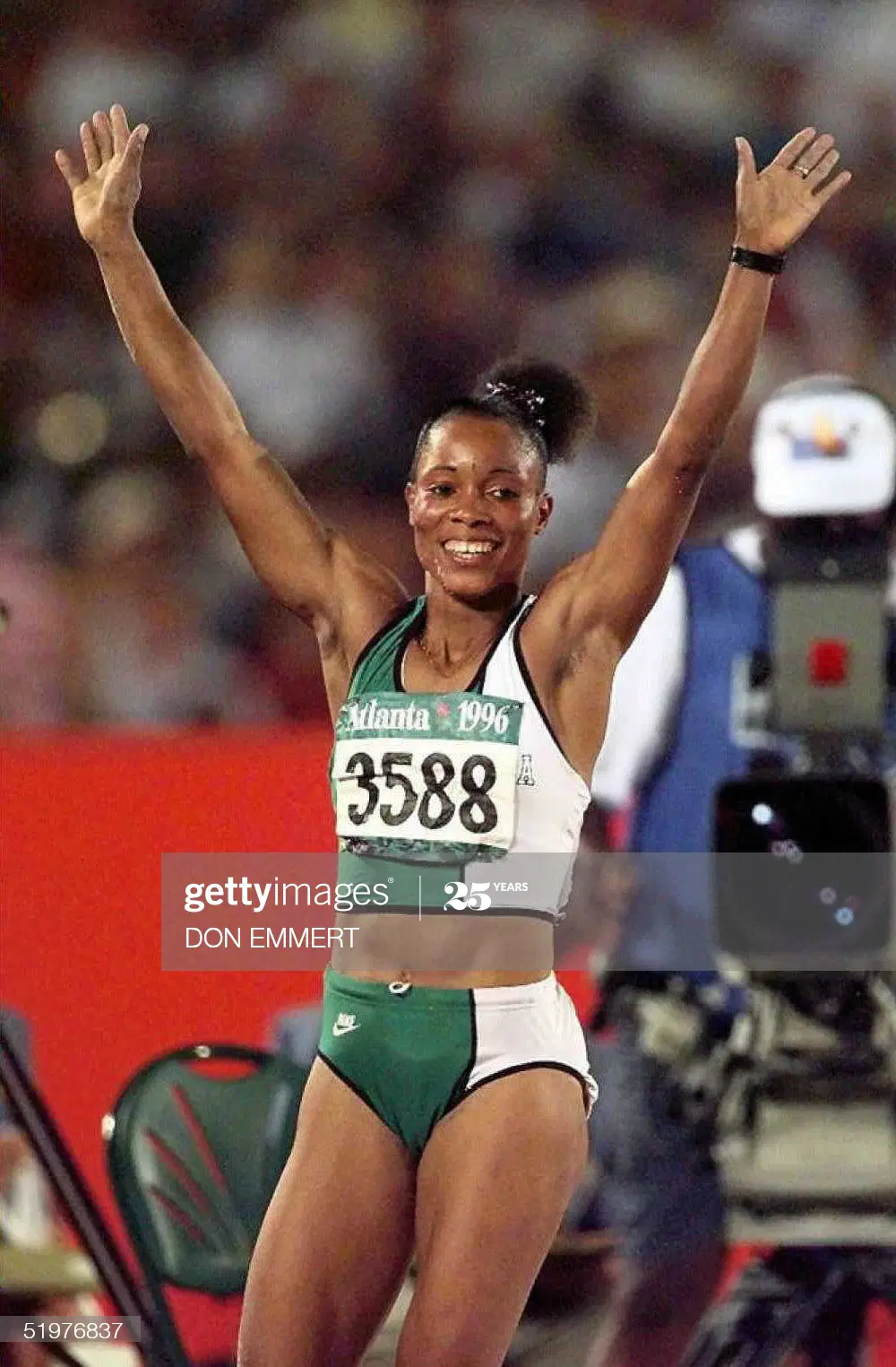
Nigeria’s Olympic legend, Chioma Ajunwa, has finally had her lifetime athletics ban reduced to time already served by the Athletics Integrity Unit (AIU). After 24 years away from competitive athletics, she is now eligible to participate in the sport again.
Twenty-four years!
But here is where the story gets particularly interesting.
When the ban came in 2002, Nigeria was still enjoying the early days of the 21st century. Facebook had not been launched. YouTube was still two years away. Some of the young athletes currently competing were probably still learning how to tie their shoelaces.
Today, those same children are adults, some are married, some have children of their own, and the woman at the centre of the controversy has had an entire lifetime of experiences outside competitive athletics.
But jokes aside, this is a significant development for one of Nigeria’s most celebrated sporting figures.

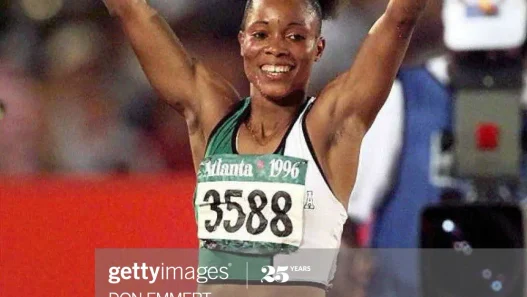
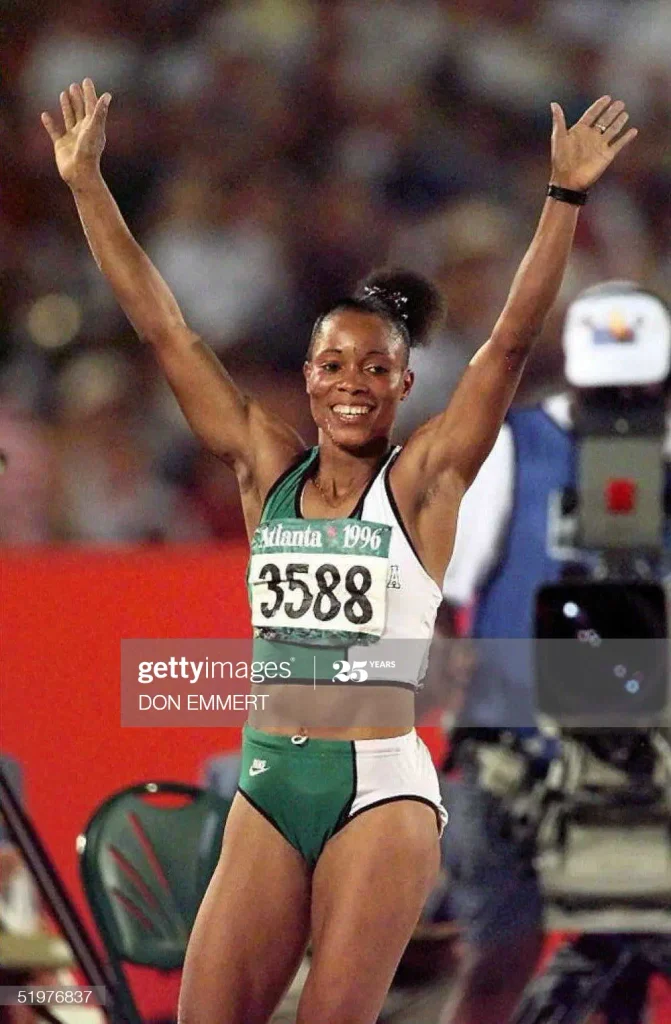
Ajunwa made history at the Atlanta 1996 Olympics, becoming the first Nigerian to win an individual Olympic gold medal. Her 7.12-metre leap in the women’s long jump remains one of the defining moments in our sporting history.
She was also not just an athletics woman. Before becoming an Olympic champion, she represented Nigeria in football at the inaugural FIFA Women’s World Cup in China in 1991. Talk about versatility!
However, her career took a dramatic turn in 2002 following a positive test for nandrolone. It was treated as her second doping violation under the regulations at the time, resulting in a lifetime ban.
Ajunwa has consistently maintained that the punishment was unfairly handled and has blamed the failure of the then Athletics Federation of Nigeria officials to pursue the appropriate appeal procedures.
Now, more than two decades later, the AIU has reviewed the case under newer anti-doping regulations and applied a legal principle known as lex mitior, which allows a person to benefit from a more lenient law introduced after an offence.
Under the current rules, the appropriate suspension would have been eight years rather than a lifetime ban. Having already served considerably longer, she is now free to return to athletics.
This decision does not erase the original doping violations from her record. What it does is remove the remaining restrictions associated with her lifetime suspension.
Beyond the jokes, Ajunwa’s story raises serious questions about sports administration in Nigeria. How many athletes have had their careers affected by poor guidance, inadequate representation or officials who failed to understand the rules they were supposed to enforce?
An athlete’s career is not an ordinary nine-to-five job. The window to compete at the highest level is limited. You cannot simply tell a 25-year-old athlete to wait another 20 years and expect the legs, opportunities and competitive environment to remain the same.
Ajunwa has already given Nigeria an Olympic moment that generations will remember. Her case should also remind sports administrators that knowing the rules is just as important as knowing how to organise competitions.
But let’s return to the lighter side.
Madam has served the police for 35 years, retired as a Deputy Commissioner, and now athletics has remembered that she still has unfinished business.
At least this time, there is no need to arrest anybody. The ban has been lifted!
And if she decides to return to the athletics family, please, somebody should inform the younger athletes that an Olympic champion and retired DCP is back in the building. They should behave themselves!