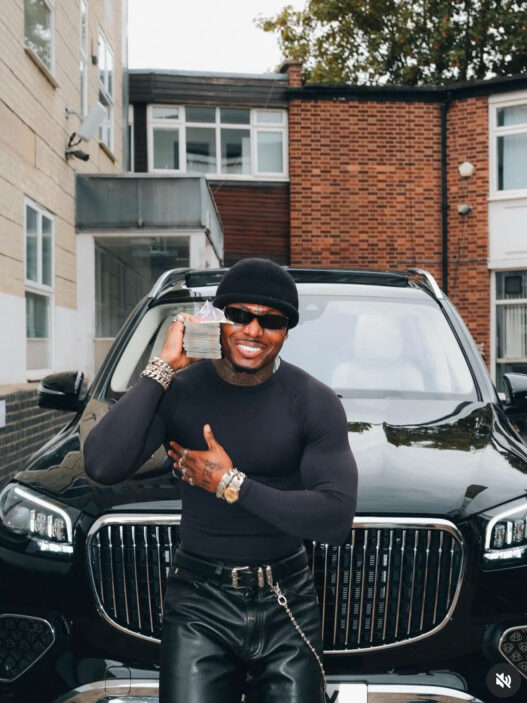









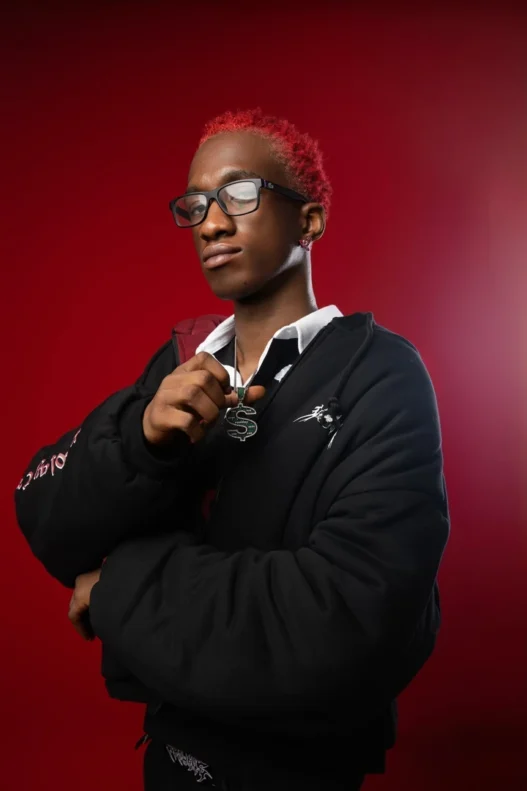
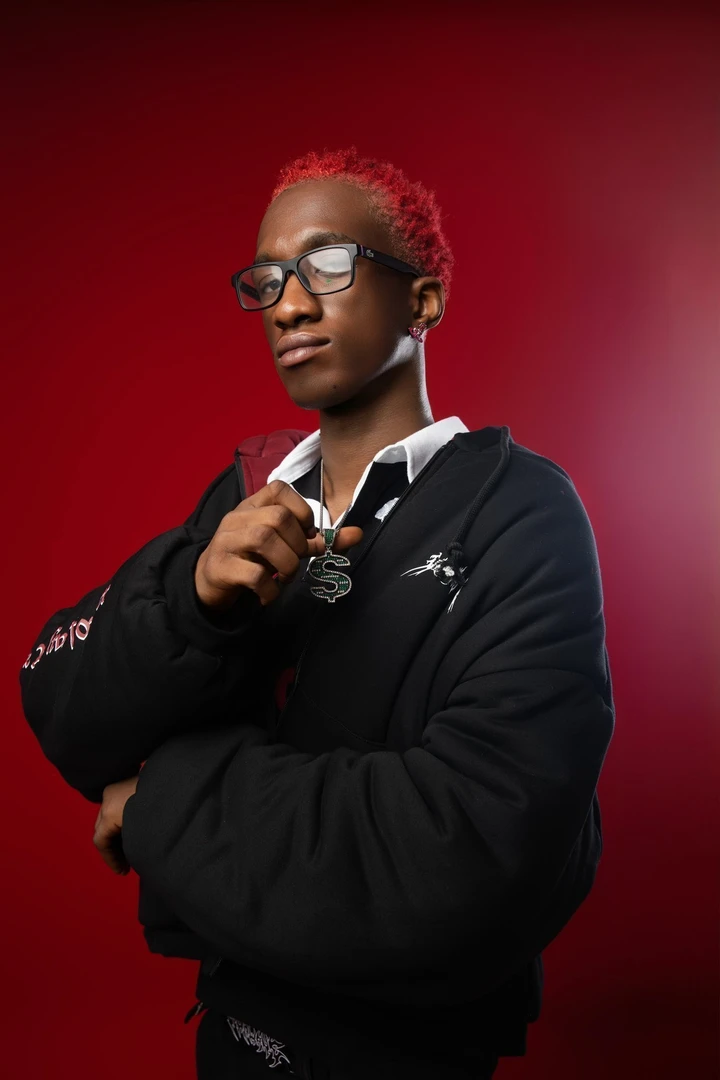
Nigerian singer Mavo, real name Oseremen Marvin Ukanigbe, became a trending topic on X in the last week of September 2026 after a batch of his alleged older tweets resurfaced, revisiting opinions he had previously expressed about several major Nigerian artists before his own career gained prominence.
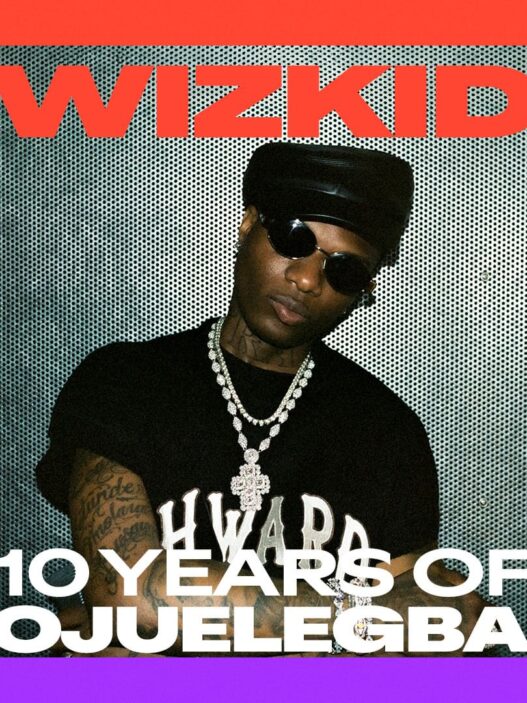
Mavo rose to prominence in 2025 with hits including “Escaladizzy,” “Tumo Weto” “Shakabulizzy” (later remixed with Davido), “Money Constant” with Wizkid, and “Body (Danz)” with CKay, and it is precisely that rapid rise which has made the so-called old posts land differently now: the artists he once criticized as a relatively unknown commentator are, in some cases, now his peers or collaborators.
Coverage from multiple Nigerian entertainment outlets has identified several of the artists referenced in the old posts. A widely circulated 2023 tweet referenced a supposed controversy around Davido and a pregnancy-related report from that time, with Mavo reportedly writing that it was “more like attempted murder.” A tweet also popped up where it was said that he supposedly called “Charm” by Rema “mid.” Lastly, Ayra Starr has also been named in reporting on the trend, where it shows that he allegedly claimed that “she should stop being hyped, her body shaped doesn’t follow sooth” though the exact wording of those particular posts is less widely quoted in the coverage reviewed.
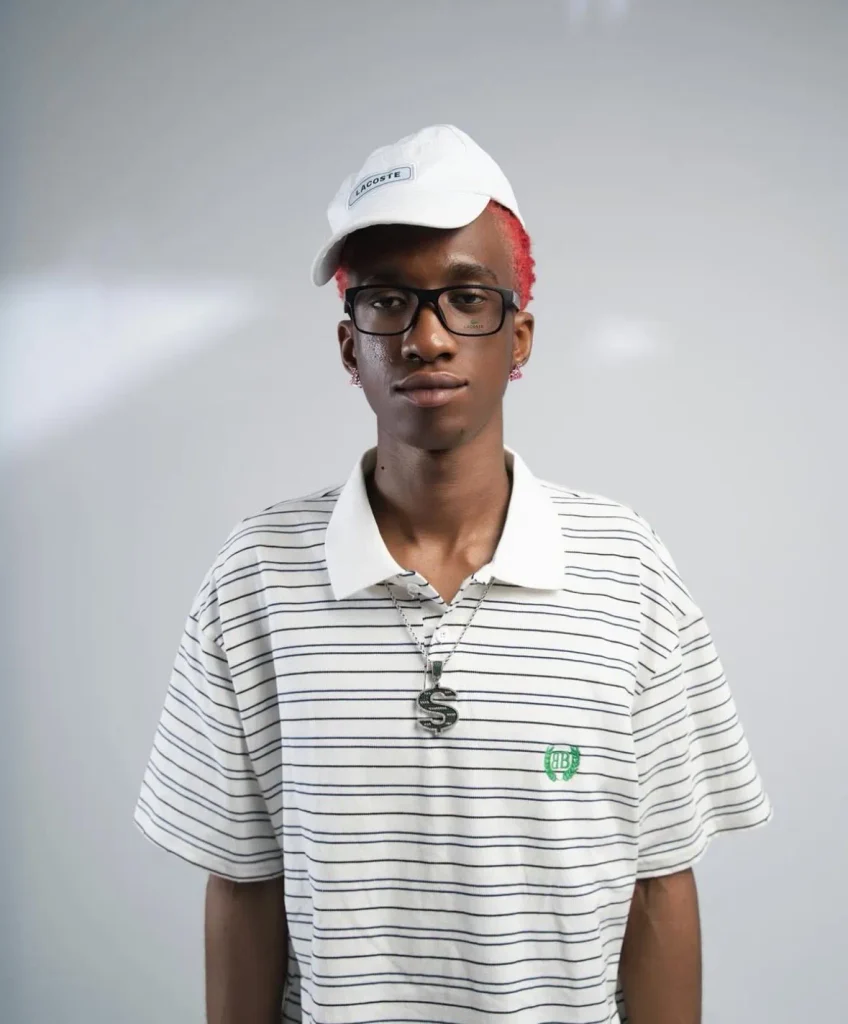
At the center of the controversy is a genuinely contested question: whether an artist’s early, informal opinions should still count against them once fame arrives. Those who argue it matters point out that public posts, once made, remain part of the record, and that resurfacing old content has become trivial on platforms like X. They also note that some of Mavo’s language, particularly the comment referencing a real and sensitive event involving Davido’s family, is more serious than ordinary fan criticism, and that severity, not simply the passage of time, should determine how much weight a resurfaced post carries. There is also a consistency argument at play, since public figures in other fields are routinely held accountable for old public statements, and applying the same standard to musicians is not unusual.
On the other side, those more sympathetic to Mavo point to his own explanation: that he was a relatively anonymous entertainment critic as a university student who never anticipated those posts would follow him into a music career. He has said he stopped criticizing other artists once his own music took off, and that meeting several of the people he once criticized in person changed his impression of them. Growth and a demonstrated change in behavior are generally treated as mitigating factors in most standards of accountability, leaving the open question of whether a sincere apology resolves the matter or simply follows the pressure of backlash.
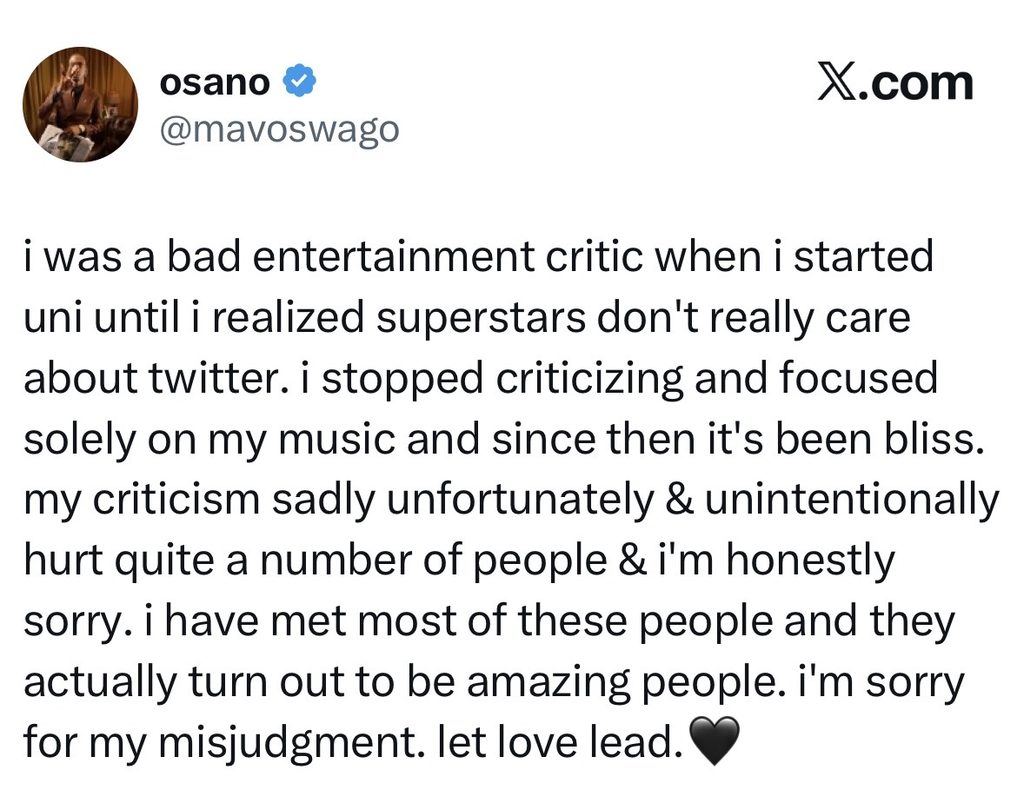
Mavo’s own public posture shifted over roughly a day, which is itself relevant to that debate. His initial response was dismissive, writing that he has “a record label and a storefront at 22” and telling critics to “get your life together and stop dissecting my past thoughts.” His follow-up was markedly more conciliatory: he acknowledged that his criticism had “unintentionally hurt quite a number of people,” apologized, and closed with the phrase “let love lead.” Whether that shift reflects genuine reflection or simply damage control once the backlash failed to fade is something observers remain split on.
There is no settled consensus on the underlying question, and the fairest account of this controversy avoids treating it as a simple choice between cancelling Mavo outright or dismissing the criticism entirely. What is documented is that Mavo allegedly made pointed public comments about at least Davido, Ayra Starr, Rema and so on, before he had a public career of his own to protect; that these comments resurfaced once he became prominent; and that his public response moved from dismissal to apology within about a day of the backlash intensifying.