






From established stars who once again delivered on the biggest stage to breakout talents who introduced themselves to the world, the continent produced some of the tournament’s standout performers. Here are eight African players who left the strongest impression.
1. Achraf Hakimi (Morocco)
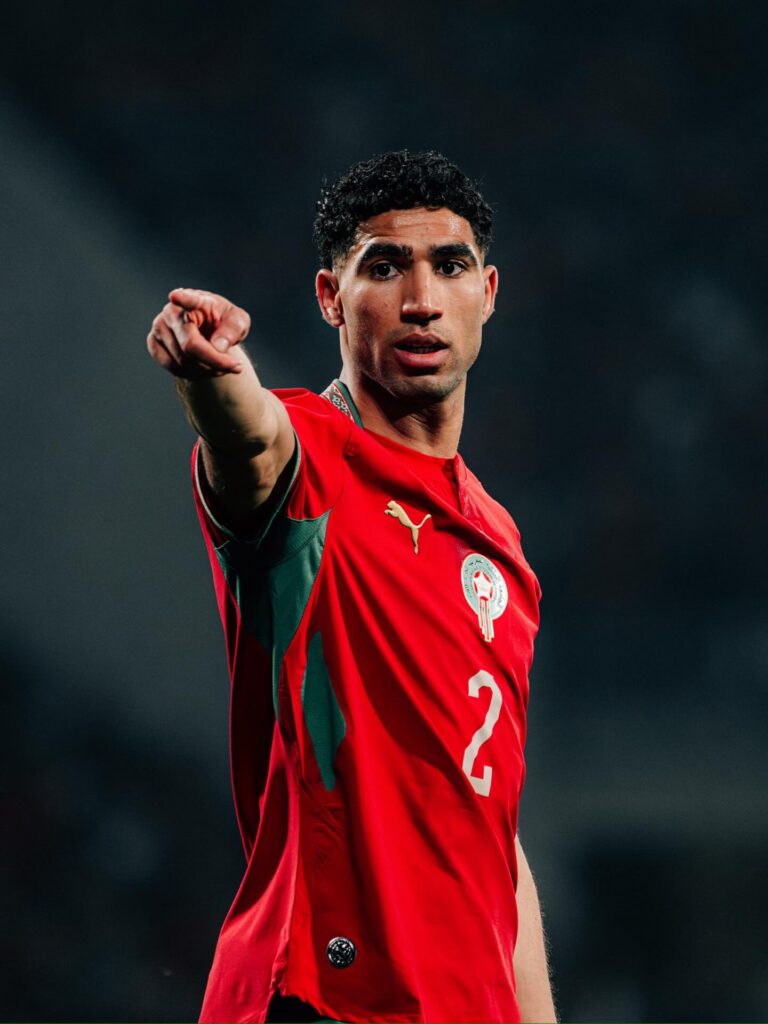
Image Credit: @achrafhakimi
Hakimi led Morocco to the quarter-finals with outstanding performances at both ends of the pitch. He combined relentless attacking runs with defensive solidity, proving once again why he is one of the world’s best right-backs. Across the tournament, he was Africa’s most complete performer.
2. Vozinha (Cape Verde)
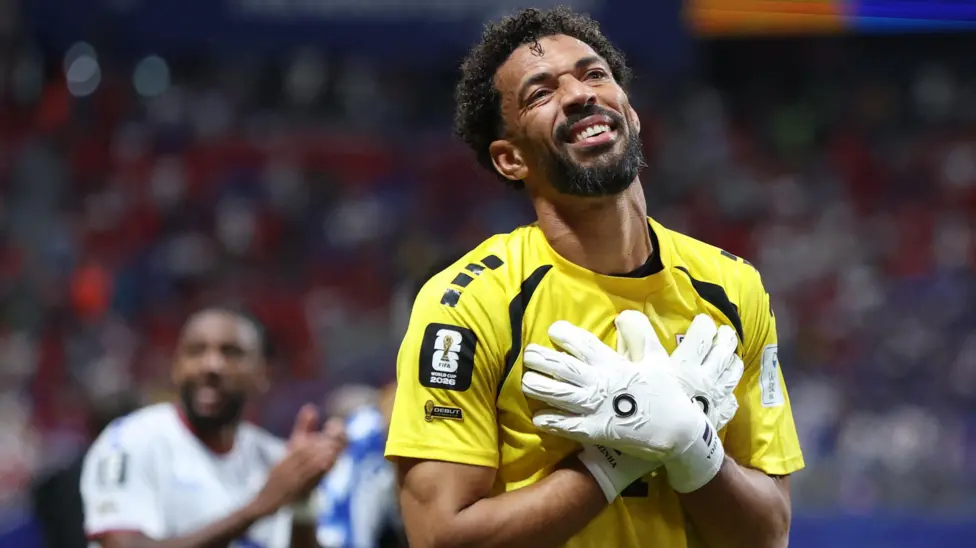
The tournament’s cult hero, Vozinha produced one of the greatest goalkeeping displays in World Cup history against Spain, making seven saves to earn Cape Verde a famous 0-0 draw. He then frustrated Lionel Messi and Argentina with another string of spectacular saves in a dramatic Round of 32 clash.
At 40 years old, he became one of the biggest stories of the tournament. His performances earned global recognition and even inspired a newly discovered sea snail species to be named after him.
3. Yassine Bounou (Morocco)
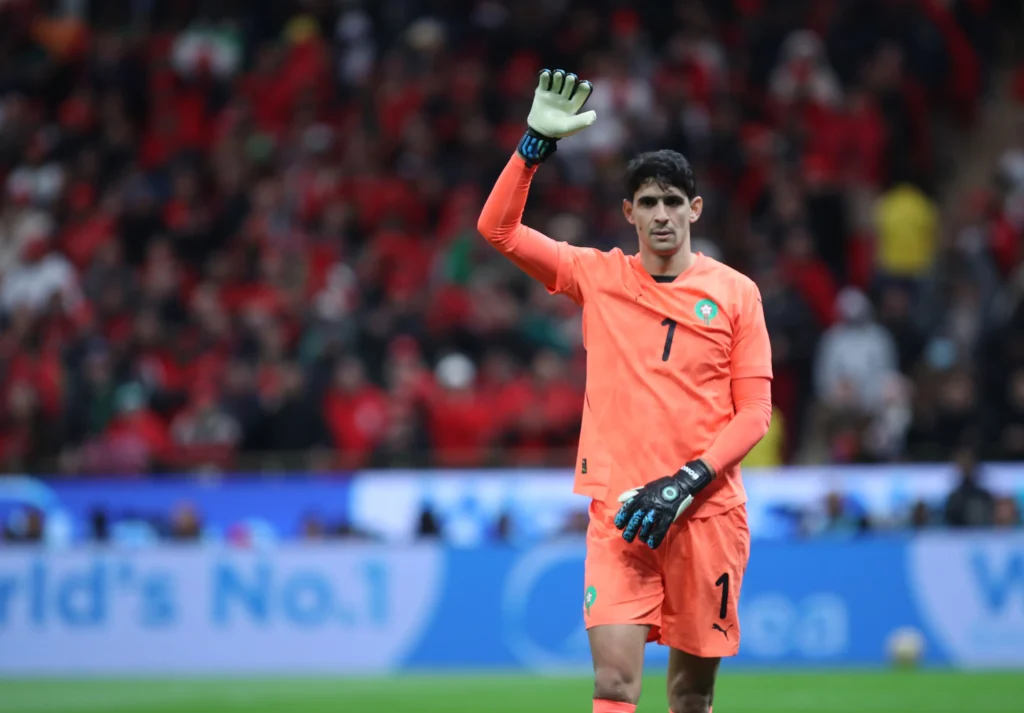
Bounou made crucial saves throughout the tournament, including during the penalty shootout against the Netherlands, while keeping clean sheets against Canada and Paraguay. His consistency gave Morocco the platform for their historic run, once again proving why he remains one of the world’s most reliable goalkeepers.
4. Ayyoub Bouaddi (Morocco)
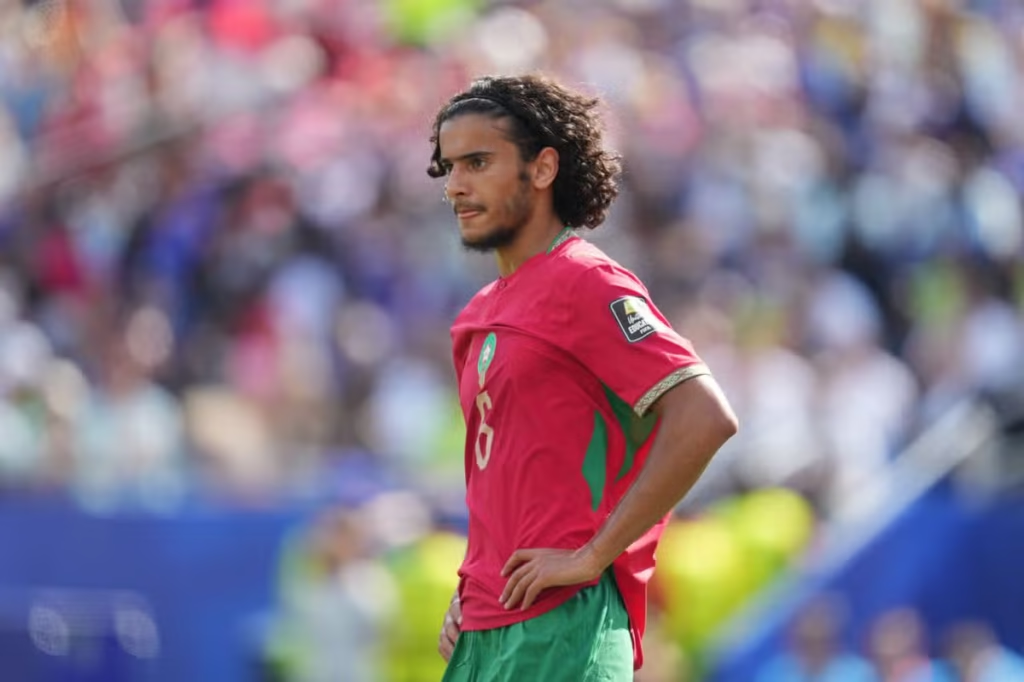
Image Credit: Manchester Evening News
The breakout young midfielder of the World Cup, Bouaddi controlled games with a maturity well beyond his years and quickly became one of Morocco’s main creative outlets.
His composure in possession allowed Morocco to dictate play against some of the tournament’s strongest teams, while his work rate and tactical discipline made him just as effective without the ball.
5. Yan Diomande (Côte d’Ivoire)
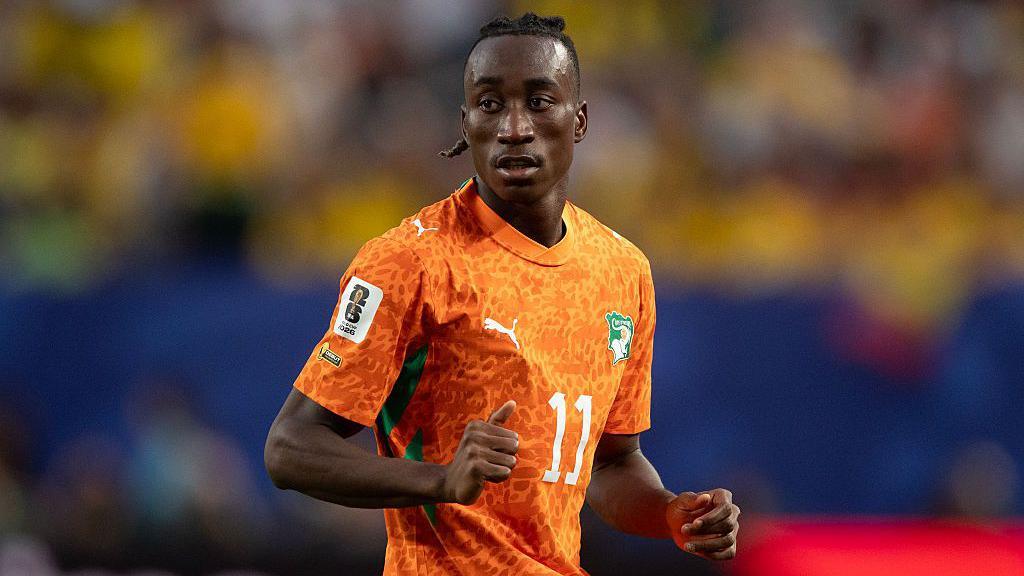
Yan Diomande announced himself on the world stage with a series of fearless performances for Côte d’Ivoire. The young winger combined explosive pace, close control and confidence beyond his years, consistently taking on defenders and providing an attacking spark whenever the Elephants went forward.
As the tournament progressed, however, his influence began to fade. Opponents adapted to his style of play, making it more difficult for him to have the same impact in the knockout rounds. While he remained a constant threat, his end product dipped compared to his electric performances earlier in the competition.
6. Sidny Cabral (Cape Verde)
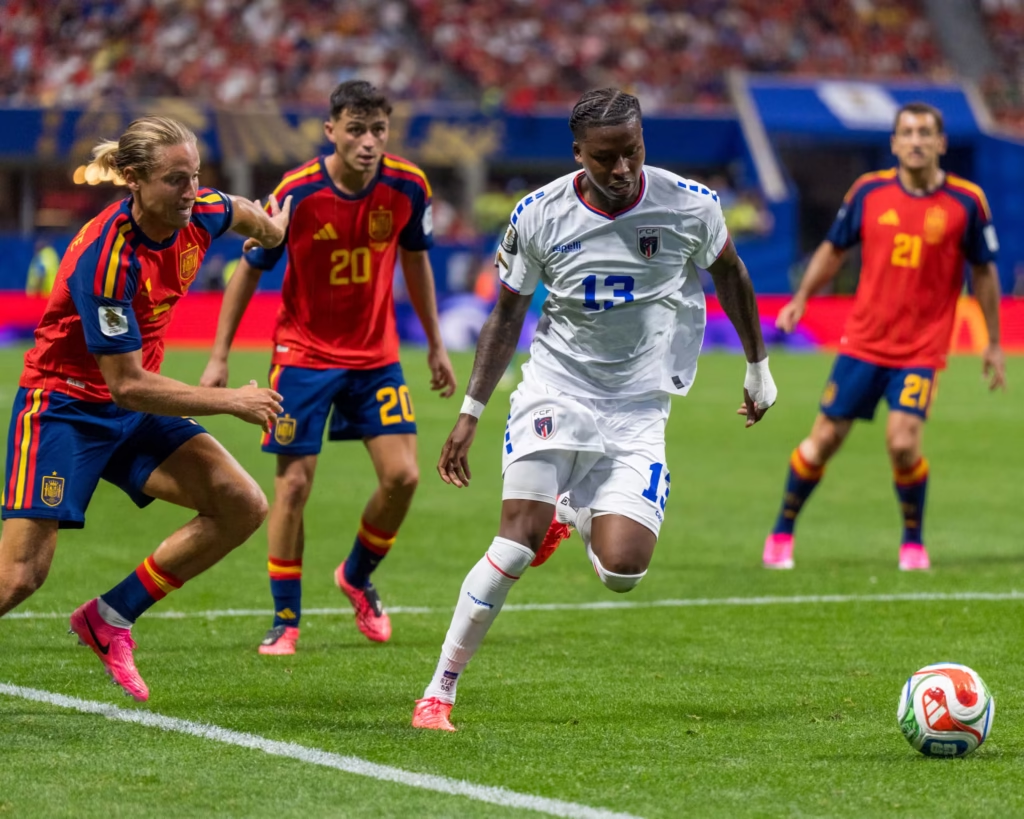
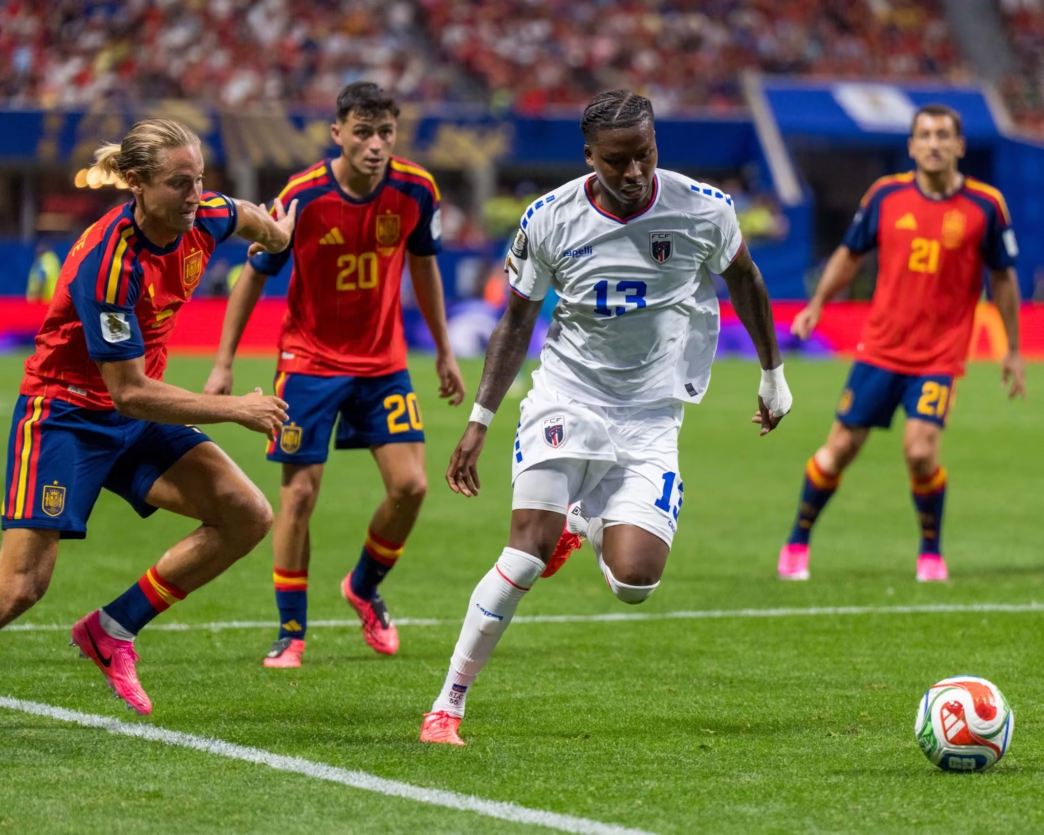
Image Credit: Andrew J Clark/ISI Photos/Getty Images
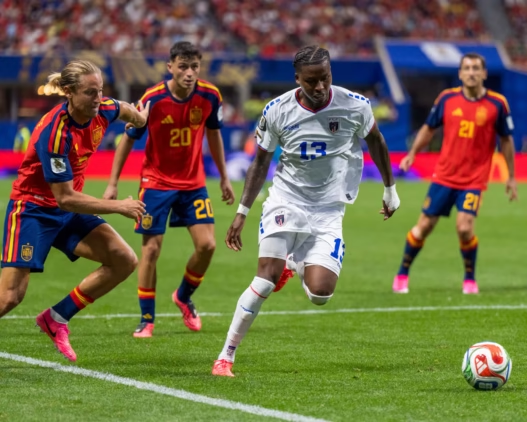
Sidny Cabral emerged as one of the breakout stars of the 2026 FIFA World Cup, playing a pivotal role in Cape Verde’s historic run to the Round of 32. The dynamic forward combined pace, confidence and clinical finishing to trouble some of the tournament’s biggest teams, announcing himself on the global stage with a series of fearless performances.
Although Cape Verde’s journey ended in a thrilling defeat to the eventual finalists, Cabral’s displays earned widespread praise and highlighted the growing quality of football on the islands.
7. Ismaïla Sarr (Senegal)
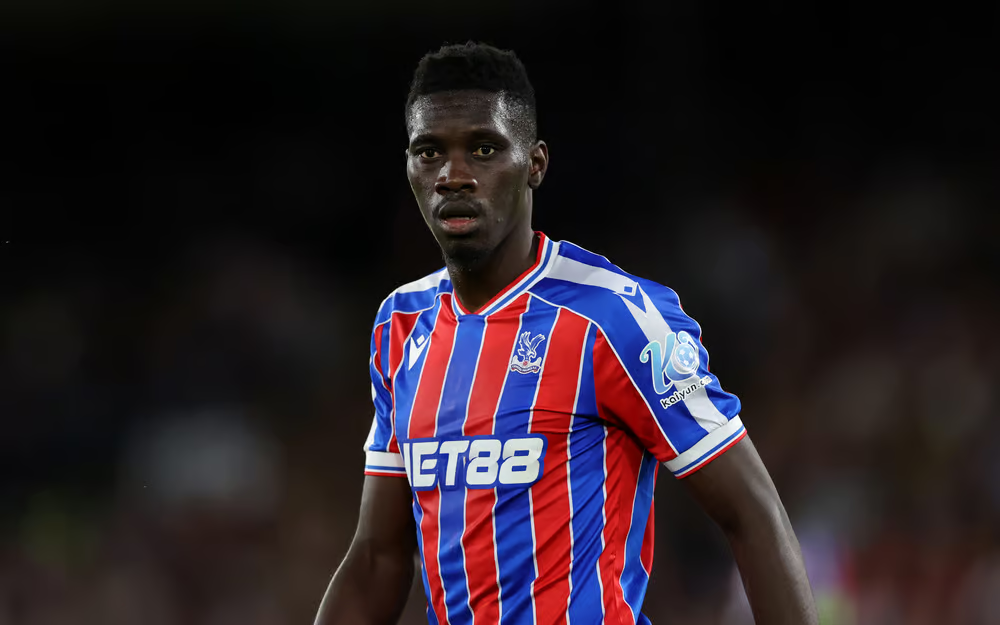
Ismaïla Sarr once again proved why he is one of Africa’s most dependable big-game players, finishing the 2026 FIFA World Cup as the continent’s leading goalscorer with four goals. His clinical finishing and intelligent movement were instrumental in Senegal’s impressive campaign, making him one of the tournament’s most dangerous attacking threats.
8. Nicolas Pépé (Côte d’Ivoire)
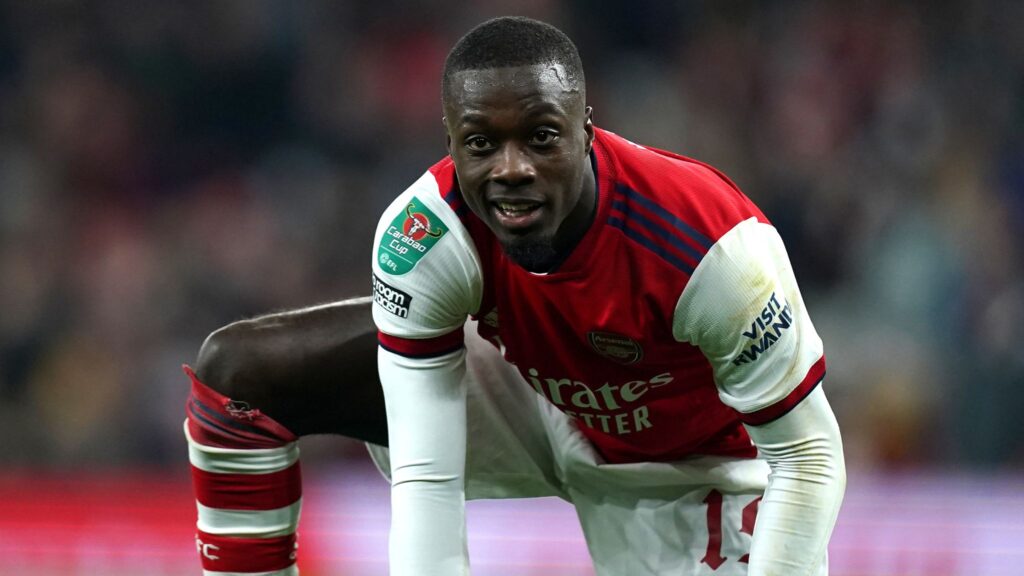
Nicolas Pépé rolled back the years with an impressive World Cup campaign, proving that experience still has a place on football’s biggest stage. The veteran winger was one of Côte d’Ivoire’s most influential players, combining his trademark left foot, creativity and composure to lead the Elephants‘ attack throughout the tournament.
Pépé finished with two goals and several key attacking contributions while providing invaluable leadership to a youthful Ivorian side.