








Across the internet, the discourse over the last couple of days has been focused on which shows belong in the conversation for the greatest sitcoms of all time. But, as is often the case with these conversations, the focus has largely been on Western television: Friends, The Big Bang Theory, Modern Family and the other familiar classics.
But there is an equally rich, and largely untapped, well of sitcom history much closer to home.
Nigerian television has produced some genuinely brilliant comedies over the years. Some gave us characters who became part of our everyday language; others captured the peculiarities of Nigerian family life, friendship, work and survival so perfectly that their jokes still feel familiar decades later.
So, if we were having the conversation about the greatest Nigerian sitcoms of all time, these are seven shows that have more than earned their place in it.
Papa Ajasco and Company

For many Nigerians, this is the show that comes to mind when they think about Nigerian sitcoms. It was loud, chaotic, hilarious and, at its best, absolutely riveting.
The show started out as The Ajasco Family in 1996 before becoming Papa Ajasco and Company. Over the years, it went through its fair share of cast changes, but the ensemble consistently managed to find the chemistry and comedic rhythm that made the show a Nigerian classic. At its peak, Papa Ajasco was widely regarded as one of Nigeria’s most watched comedy series and was broadcast across several African countries. More importantly, its characters became instantly recognisable. Papa Ajasco, Mama Ajasco, Boy Alinco and Miss Pepeye were not simply characters on a television show. They became part of the cultural fabric.
Fuji House of Commotion
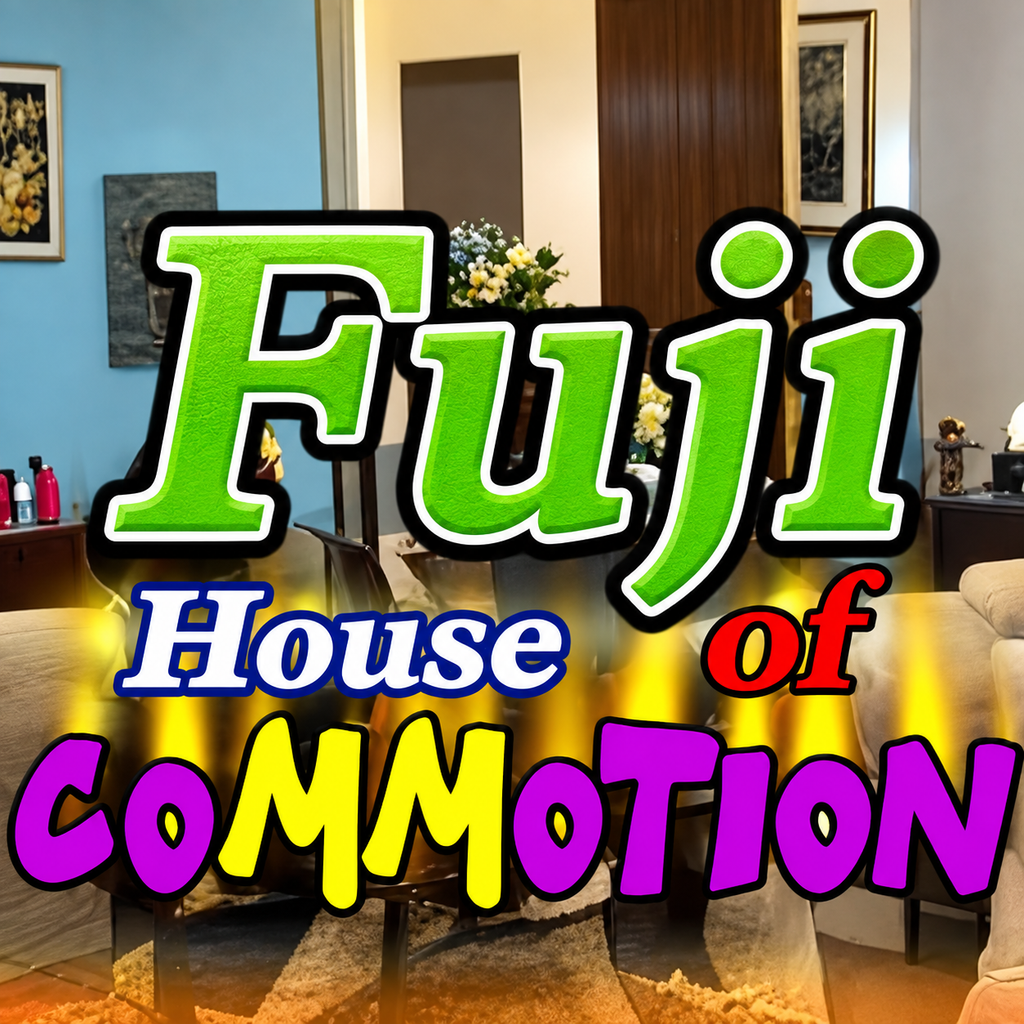
Fuji House of Commotion had a premise that was both uniquely Nigerian and endlessly fertile for comedy: what happens inside a complicated polygamous Nigerian household?
The answer, naturally, was chaos.
Created by Amaka Igwe, the sitcom followed Chief Fuji, his multiple wives, their children and the seemingly endless conflicts produced by having an enormous family under one roof. The brilliance of the show was that the family wasn’t simply dysfunctional. It was a miniature version of Nigerian society, with questions of class, tradition, gender, inheritance, generational conflict and family politics constantly bubbling beneath the jokes.
And somehow, despite all the fighting, scheming and general madness, you kept coming back to them.
Basi and Company
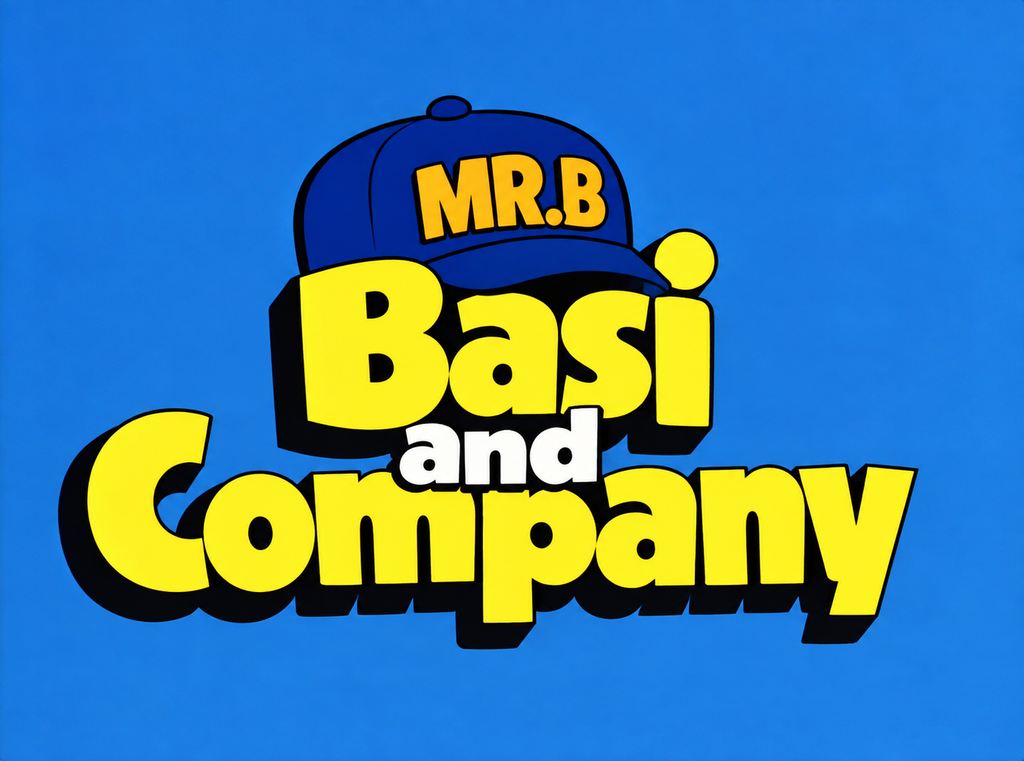
Created and written by writer and activist Ken Saro-Wiwa, Basi and Company ran on NTA from 1986 to 1990 and became one of the defining Nigerian television comedies of its era.
At the centre was Basi, a perpetually scheming character whose greatest ambition was to become rich without having to do too much actual work. What made the show particularly interesting was how closely it borrowed from the structure of Nigerian folklore. Basi essentially functioned as a modern trickster: constantly devising schemes, getting himself into trouble and attempting to outsmart everyone around him.
But beneath the comedy was sharp social commentary. The show took aim at Nigeria’s obsession with wealth, shortcuts and the idea of getting something for nothing. At its height, Basi and Company reportedly reached tens of millions of viewers and was broadcast beyond Nigeria, making Basi one of the country’s earliest television comedy exports.
The New Masquerade
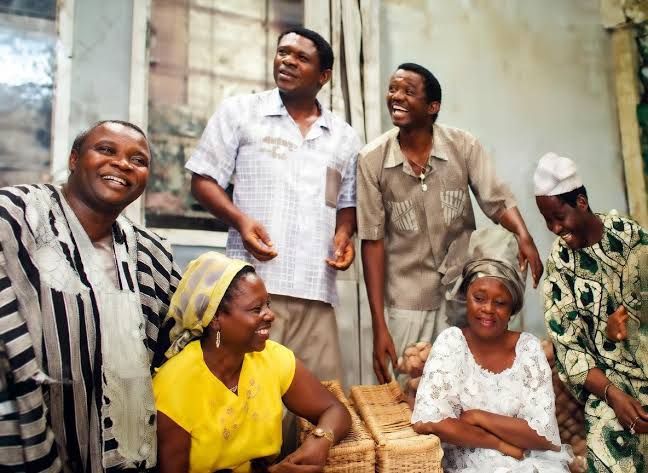
Before it became one of Nigeria’s most recognisable television comedies, The New Masquerade was a radio programme.
Originally called Masquerade, the programme was created by James Iroha at the East Central State Broadcasting Corporation in Enugu in the aftermath of the Nigerian Civil War. Its purpose was, quite literally, to bring laughter back into people’s homes. It eventually moved to television as The New Masquerade, where it would run for decades.
At the centre was Chief Zebrudaya, played by Chika Okpala, surrounded by characters including Gringory, Ovuleria, Clarus and Jegede Sokoya. The show used exaggerated personalities and absurd situations to explore familiar Nigerian themes: greed, corruption, class, family and the pursuit of easy money. It is difficult to overstate just how culturally significant the show became. For generations of Nigerians, these characters were not just television characters. They were references.
Clinic Matters
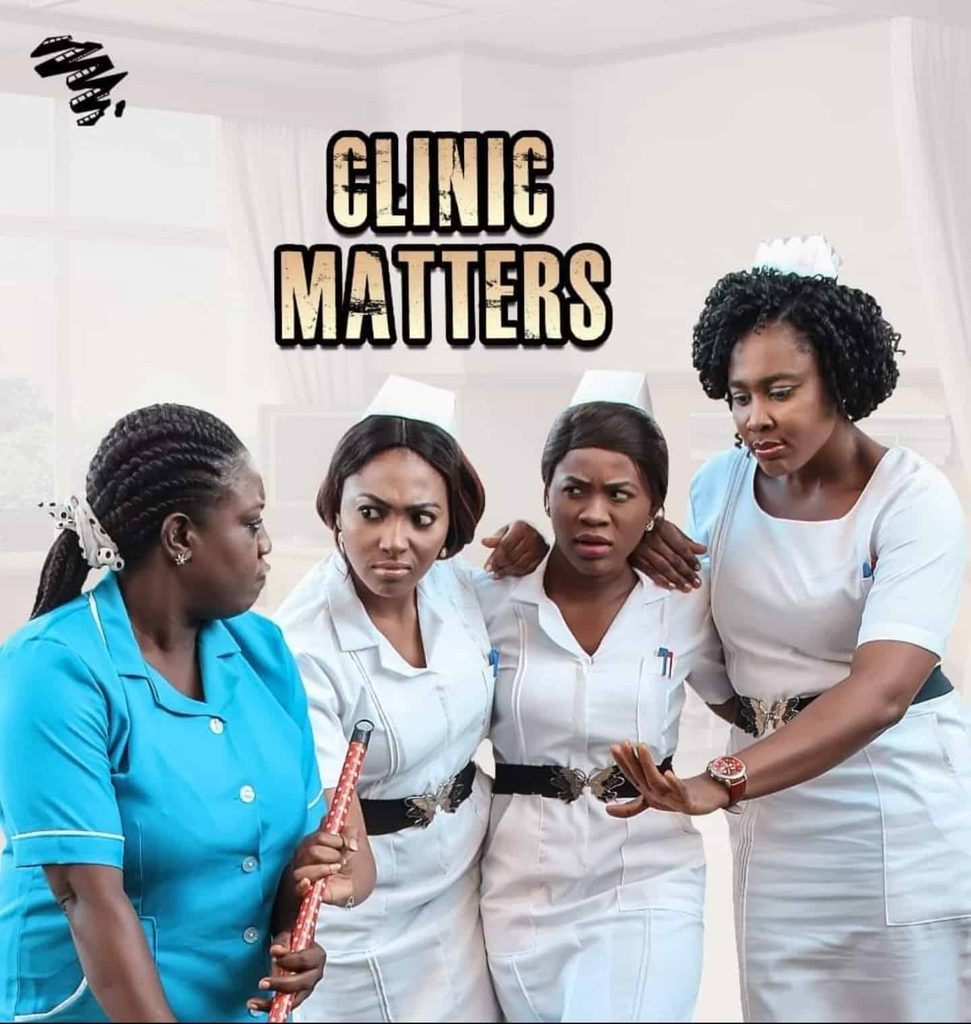
Just a casual reminder that sitcom literally means situational comedy. And when it comes to putting characters in a situation and letting the comedy unfold naturally, Clinic Matters understood the assignment.
On paper, the sitcom was about a doctor, his nurses and the patients who came through their clinic. In practice, the patients were almost beside the point. The real comedy came from the people working there: nurses gossiping about patients, colleagues getting into each other’s business, romantic entanglements and ordinary workplace situations escalating into complete chaos.
Produced by Paul Igwe, the series ran in the late 2000s and into the early 2010s and became a familiar fixture of Nigerian television. It also became an important career moment for several of its actors. Lilian Esoro, who played Nurse Abigail, has said the show brought her wider attention after she auditioned alongside more than 400 women for just three roles.
The series was also recognised at the Africa Magic Viewers’ Choice Awards, with Esoro receiving a Best Actress in a Comedy nomination, while Francis Odega was nominated for Best Actor in a Comedy and Paul Igwe for Best Writer in Comedy.
My Flatmates
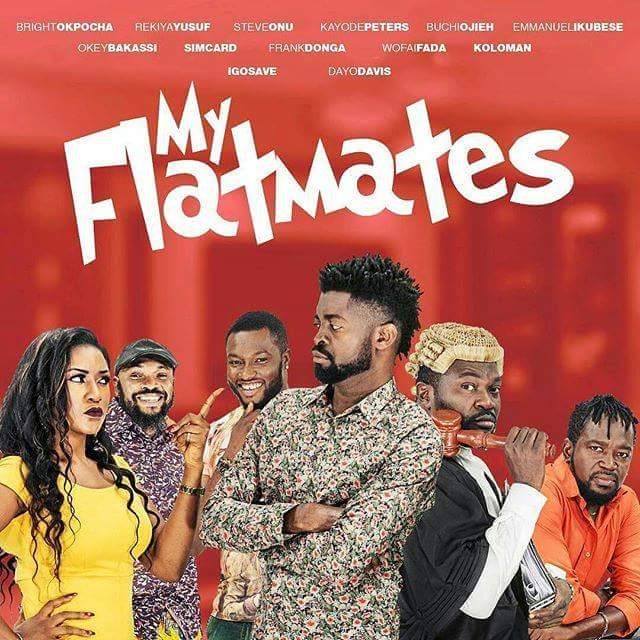
On a personal level, My Flatmates is one of those shows that shaped my idea of what adulthood could look like. In a way, it was Friends for me: warm, ridiculous, interesting and endearing. It presented adulthood as this strange period where you were technically grown but still figuring out money, relationships, friendship, work and what exactly you were supposed to be doing with your life
The Africa Magic sitcom followed a group of adults living together and navigating the inevitable chaos that comes with sharing a home. And perhaps that is why it worked so well. The premise was simple, but the possibilities were endless. Give a group of people different personalities, ambitions and problems, put them under one roof and allow their lives to collide.
It was Nigerian adulthood rendered as a sitcom.
The Johnsons
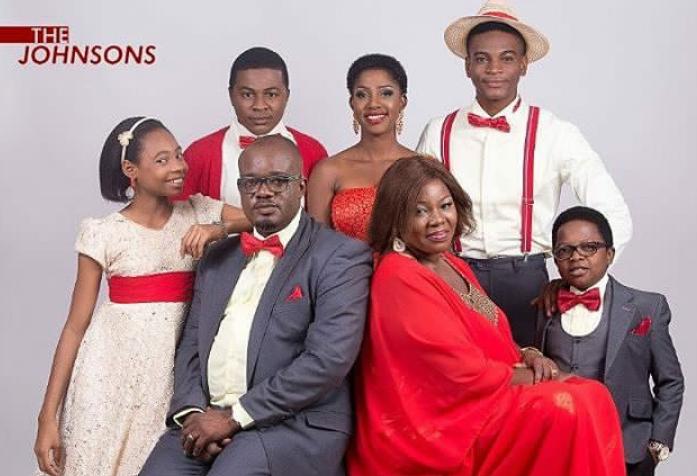
The Johnsons deserves a place in any conversation about Nigeria’s longest-running and most recognisable sitcoms.
Premiering in 2012, the show centred on an ordinary Lagos family and the everyday madness that comes with being part of one. One of the show’s greatest strengths was its understanding that the average Nigerian family is already comedy gold. Parents are dramatic. Siblings are competitive. Everybody has an opinion. Relatives appear with unsolicited advice. Someone is always asking for money. Someone else is always hiding something. The show also became something of a training ground for actors who would go on to become much more recognisable elsewhere, while characters such as Spiff became stars in their own right.
But perhaps the most impressive thing about The Johnsons was its longevity. The show ran for 13 years, making it one of the most enduring sitcoms in Nigerian television history. And for 13 years, Nigerians kept tuning in to watch a family that was fictional, but somehow always felt familiar.