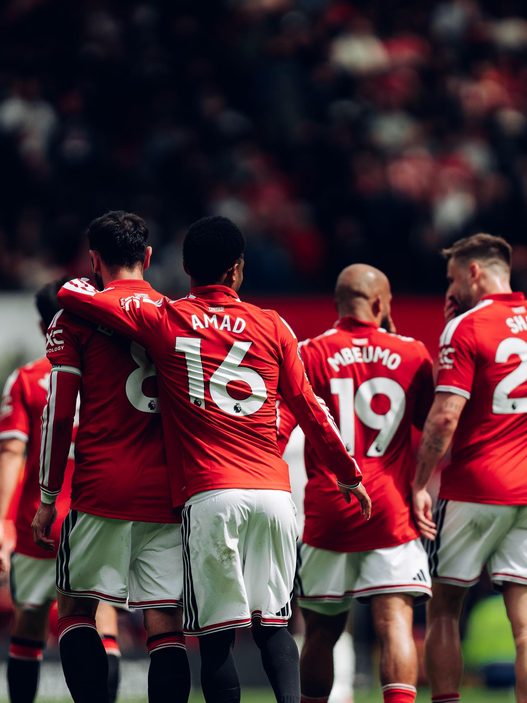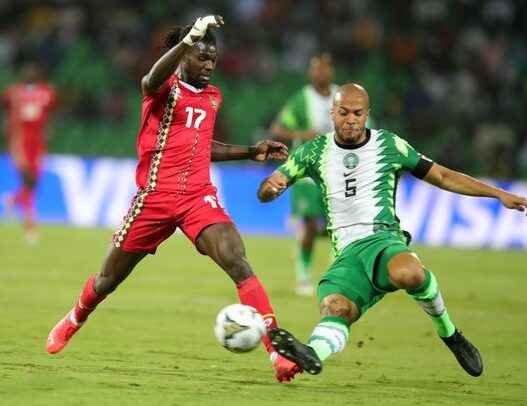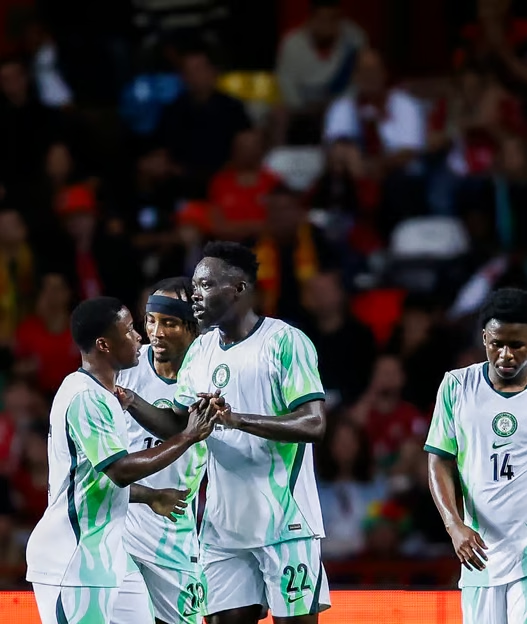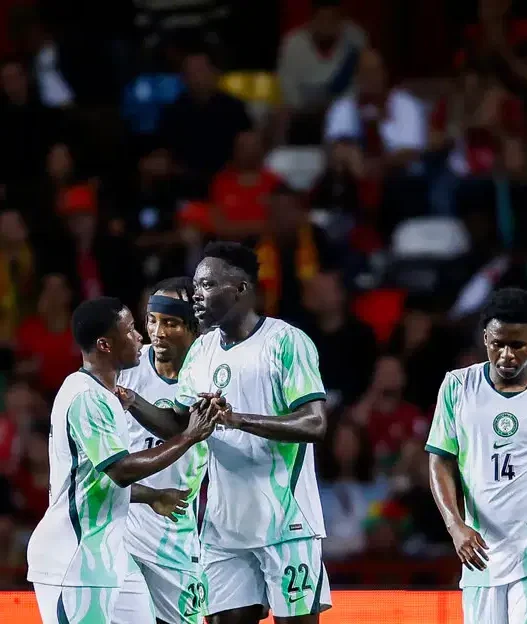








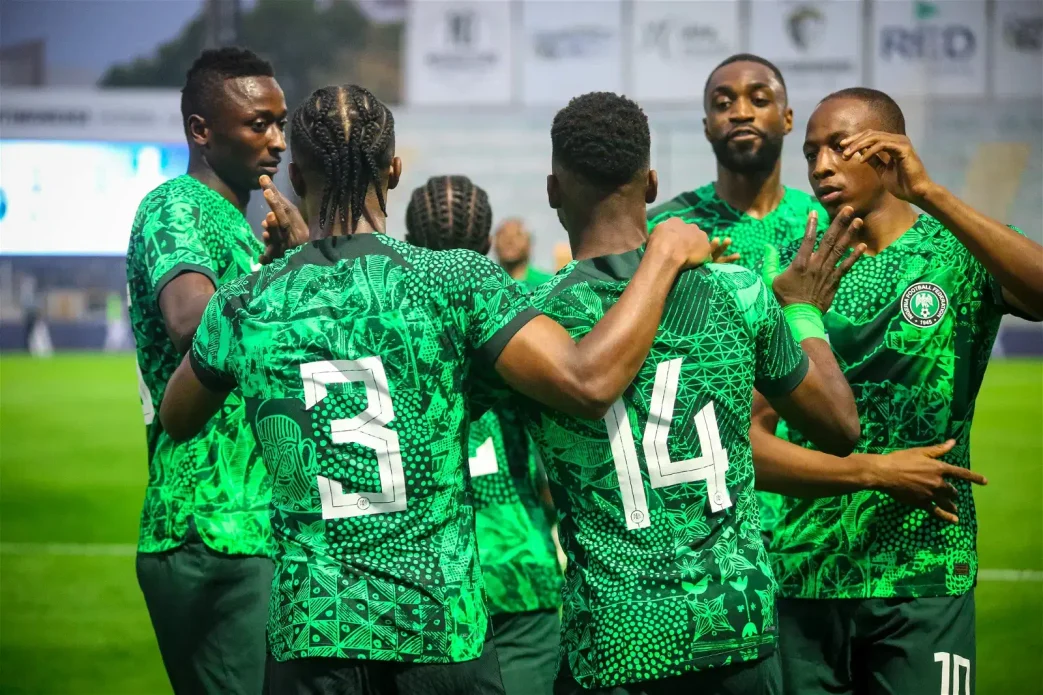
Nigeria’s Super Eagles open their AFCON qualifiers campaign against Madagascar, two countries, two very different cultures, but one football battle.
From lemurs and island life to Super Eagles and Barea, here are six things you probably didn’t know about these two nations ahead of Friday’s AFCON qualifier.
1. Football history between these two isn’t completely one-sided
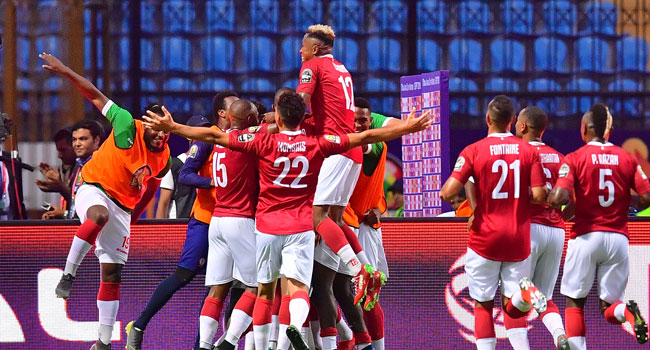
Nigeria has the bigger football history, but Madagascar has already produced one of the biggest shocks involving the Super Eagles. At AFCON 2019, Madagascar defeated Nigeria 2–0 in the group stage. Now, seven years later, the two countries meet again in an AFCON qualifying campaign. Nigeria are beginning the 2027 qualifiers without Victor Osimhen, while Madagascar come into the game after reaching the recent CHAN final.
2. There’s actually very little room for error in this group
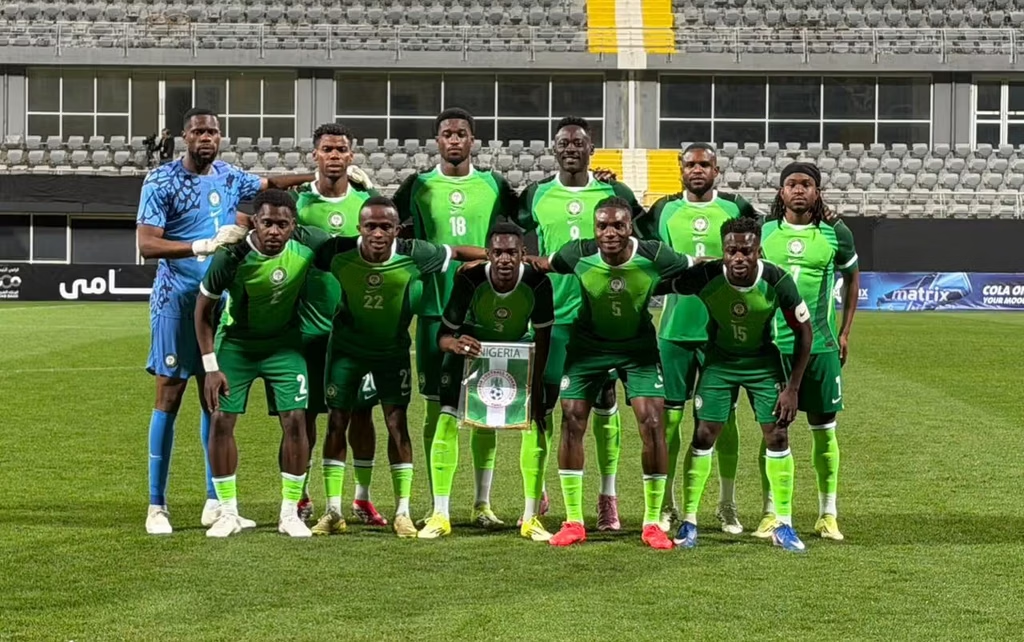
Nigeria, Madagascar, Tanzania and Guinea-Bissau are in Group L. Tanzania are already guaranteed a place at AFCON 2027 because they are one of the three co-hosts. That means Nigeria, Madagascar and Guinea-Bissau are effectively fighting for the one remaining qualifying place from the group.
3.Madagascar’s team is nicknamed the Barea after a powerful local zebu cattle breed.
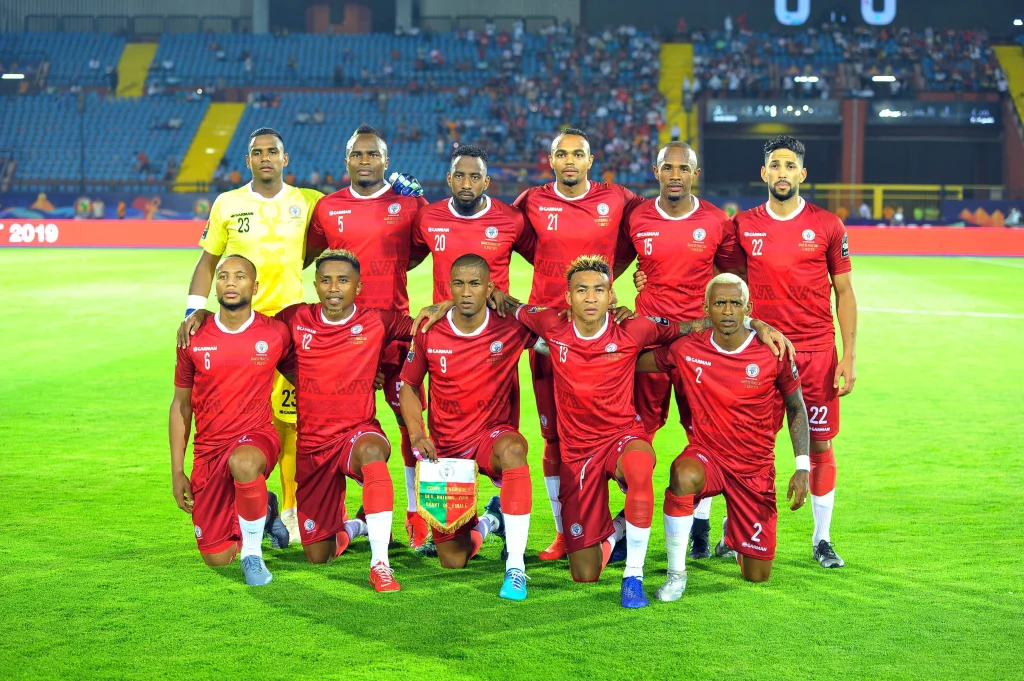
“Barea” refers to a strong, long-horned, somewhat wilder zebu (humped cattle) associated with strength, wealth, and resilience in Malagasy culture. Zebu features heavily in traditions, ceremonies, and even national symbolism. The nickname was formalized around 2005 via a public contest after earlier names like the Scorpions.
4. Nigeria’s nickname comes from an eagle
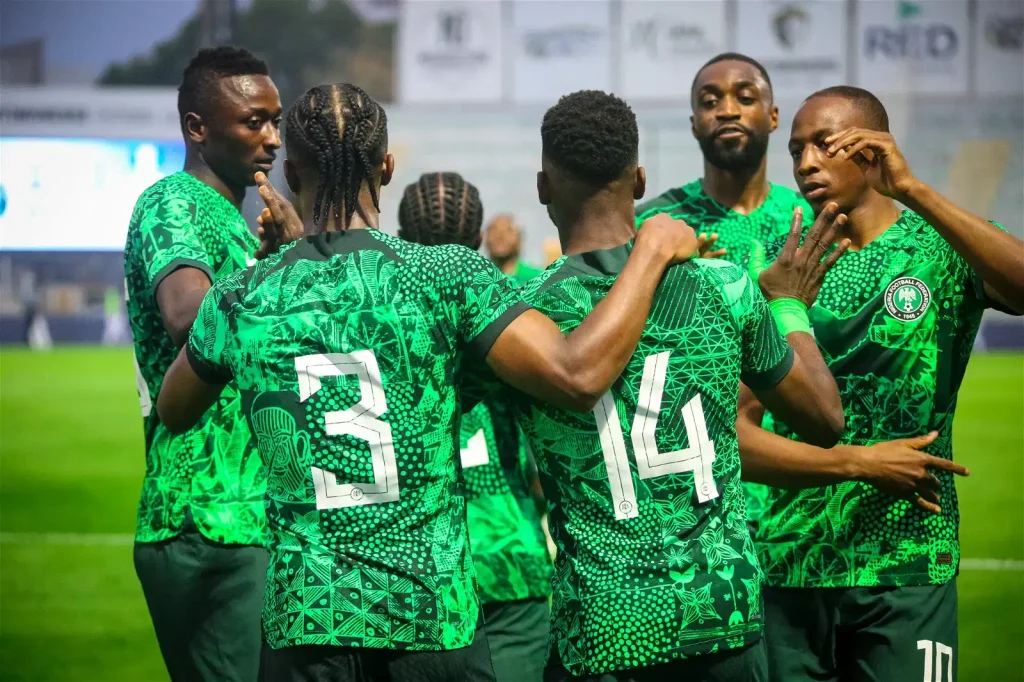
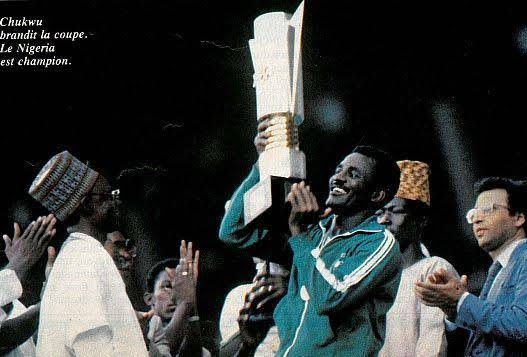
Nigeria’s team was once the Red Devils (pre-independence, for their kits), then the Green Eagles after 1960 (inspired by the national flag’s green and the eagle on the coat of arms). It became the “Super Eagles” around the late 1980s commonly linked to the period after the 1988 AFCON final (or following the 1980 title in some accounts) when the “super” moniker stuck after strong performances and official/public embrace. Nigeria has won the AFCON three times (1980, 1994, 2013).
5. Vast differences in scale and geography.
Nigeria (Africa’s most populous country, roughly 230–245 million people) is a large mainland nation with major cities like Lagos. Madagascar is an Indian Ocean island nation of about 30–34 million people, roughly the size of France, with lower population density and a distinct island culture shaped by isolation, Austronesian and African influences, and unique flora/fauna. The two countries sit in very different CAF zones and have limited historical football overlap beyond qualifiers and that memorable 2019 clash.
6. Marriage Passport Striker
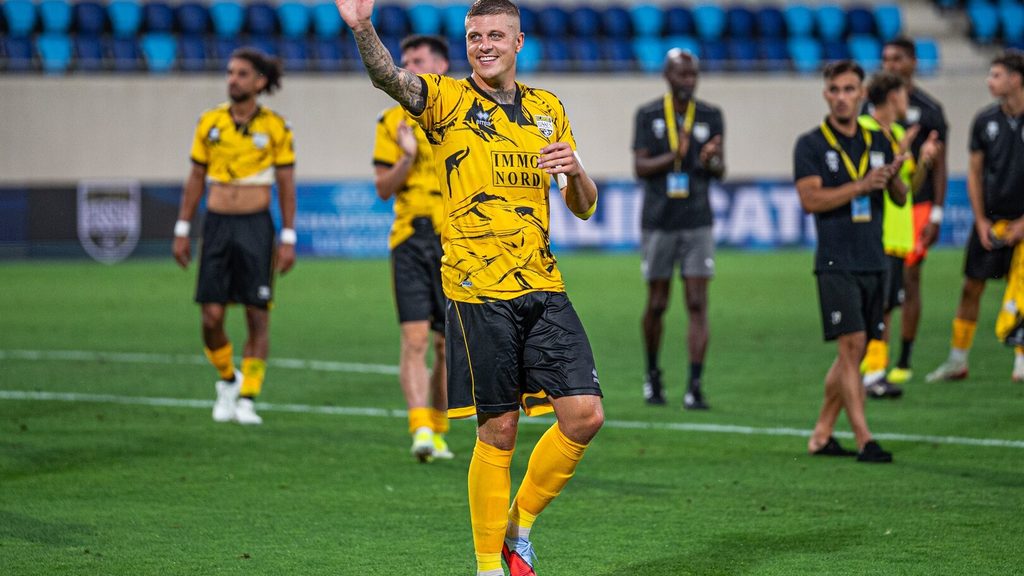
Belgian-born striker Roman Ferber (currently in Luxembourg football) only became eligible for Madagascar through marriage to a Malagasy woman. He earned his first Barea call-up for this double-header after a prolific scoring run (33 goals in 36 games across two seasons). This is a classic “passport via spouse” pathway that is almost never mentioned in mainstream previews.